Planning the trip of a lifetime to New Zealand is exciting but the question of cost can feel daunting. Thinking about your budget is less about restriction and more about empowerment. When you know what to expect you can make choices that align with the kind of experience you want to have. It’s the difference between worrying about every purchase and feeling free to savour a local wine or pick up the perfect souvenir. This guide will demystify the numbers so you can feel confident and in control. Let’s explore the components that make up the total New Zealand cost so you can focus on the adventure ahead not your bank account.
Key Takeaways
- Your travel style dictates the cost: A comfortable two-week trip typically requires NZ$2,500 to NZ$3,500 per person for ground expenses, but your final budget depends entirely on your choices for accommodation, dining and activities.
- Plan strategically to save money: You can find significant value by travelling in the shoulder seasons of spring or autumn, asking for senior discounts and balancing free excursions like national park walks with a few special paid tours.
- All-inclusive tours provide budget clarity: Choosing a tour that bundles major expenses like hotels, coach transport and most meals into one price is an effective way to manage your spending. It removes the stress of surprise costs so you can fully enjoy your vacation.
What Does a Trip to New Zealand Really Cost?
New Zealand is a land of breathtaking contrasts from the geothermal wonders of the North Island to the dramatic fjords of the South. It’s a destination that captures the imagination and for many it’s the trip of a lifetime. But before you can picture yourself sipping Sauvignon Blanc in Marlborough or cruising through Milford Sound you need to answer a practical question: what will it all cost? The truth is there’s no single price tag. The cost of a New Zealand tour depends entirely on your personal travel style and the experiences you want to have.
Your final budget will be shaped by a few key elements. Think about your preferred level of comfort for accommodation where you might stay in anything from a charming city hotel to a secluded luxury lodge. Consider your dining preferences whether you enjoy discovering local cafes for lunch and indulging in fine dining for dinner. Your activity choices also play a big role. You might spend your days enjoying scenic walks and museum visits or you might opt for guided excursions like whale watching or a tour of a glowing worm cave. Finally how you choose to get around from rental cars to comfortable coaches will influence your spending. Understanding these components is the first step to creating a realistic budget that matches your travel dreams.
Your Daily Budget by Travel Style
To give you a clearer picture let’s break down the estimated daily costs per person once you’re on the ground in New Zealand. These figures in New Zealand Dollars (NZ$) can help you see how different comfort levels affect your spending. For a comfortable and well-paced tour you can expect to spend around NZ$180 to NZ$250 per person each day. This budget allows for lovely stays in quality motels or hotels and gives you the freedom to dine out and enjoy the local restaurant scene.
If you’re looking for a more luxurious experience with premium hotels fine dining and a wider range of guided tours you should plan for NZ$300 to NZ$450 or more per day. For more independent travellers who prefer simple lodgings and preparing some of their own meals a daily budget of NZ$120 to NZ$160 is a reasonable target. Understanding the different trip costs in NZ helps you tailor the experience perfectly to your expectations.
Estimating Your Two-Week Trip Cost
With a daily budget in mind you can start to estimate the total cost for your tour. A two-week trip is a popular choice as it gives you enough time to explore the highlights of both the North and South Islands without feeling rushed. Based on the daily estimates a comfortable two-week tour would cost between NZ$2,500 and NZ$3,500 per person. This provides a great baseline for your savings goals.
For a more indulgent two-week vacation featuring top-tier accommodation and experiences your budget would likely be in the range of NZ$4,200 to NZ$6,300 or more per person. On the other end of the spectrum a more budget-focused two weeks would total around NZ$1,700 to NZ$2,200. Remember these estimates cover your on-the-ground expenses like lodging food and activities. They do not include your international airfare from Canada. Having these numbers is a fantastic step in planning your finances for an unforgettable adventure.
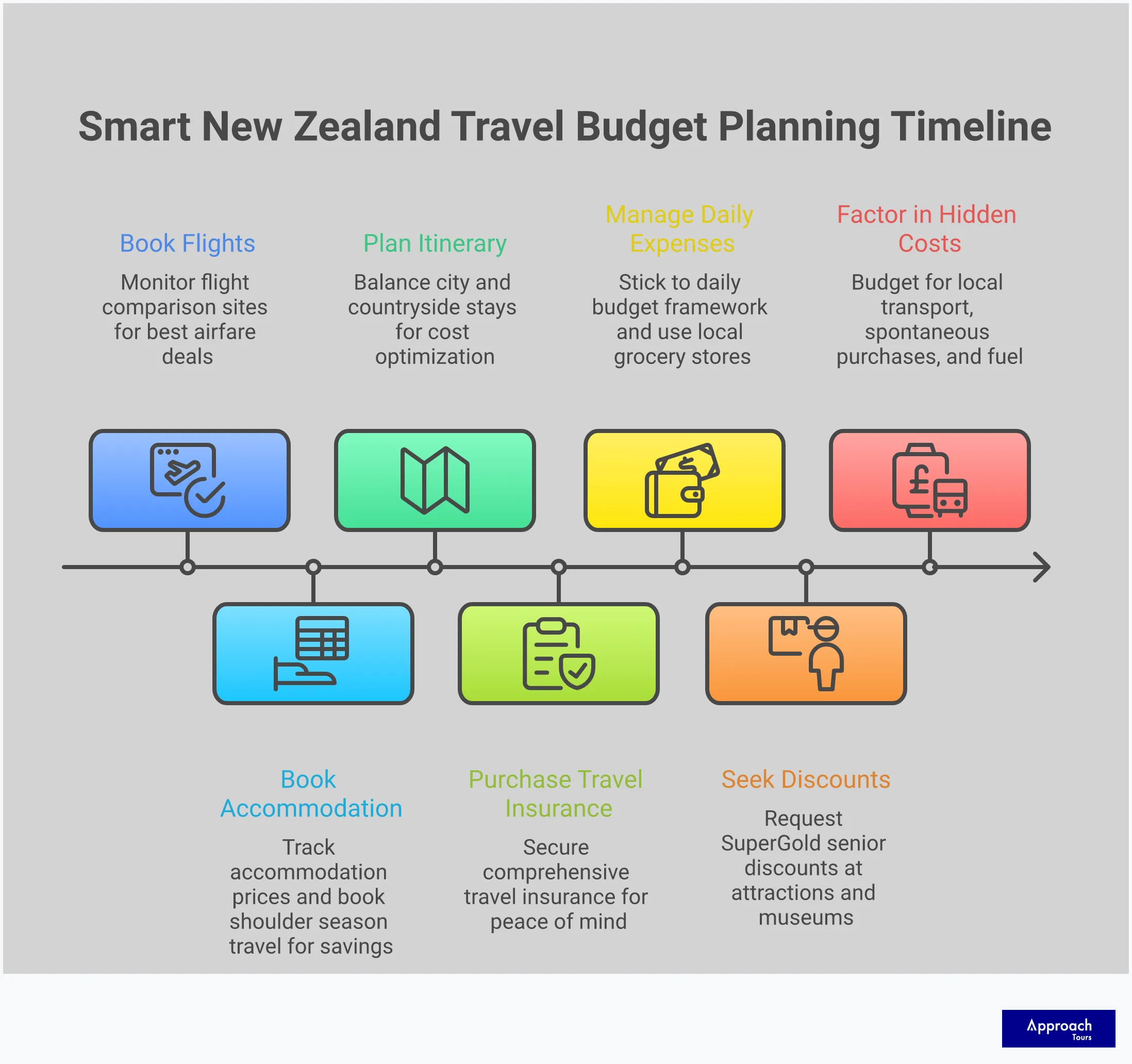
Budgeting for Your New Zealand Accommodation
Finding the perfect place to rest your head after a day of exploring is a huge part of the travel experience and a key piece of your budget. In New Zealand your options are as varied as the landscapes from cozy city hotels to luxurious lodges tucked away in nature. The cost of accommodation can swing quite a bit depending on where you are in the country and the level of comfort you’re looking for. Planning this part of your trip well means you can ensure every night is a comfortable and restorative one.
Generally the North Island is slightly more populated and can sometimes present more budget-friendly options while the South Island’s dramatic scenery often comes with premium lodging prices especially in tourist hotspots like Queenstown. Understanding these regional differences is the first step in creating a realistic accommodation budget. Whether you dream of waking up to an urban buzz or the quiet serenity of a mountain view New Zealand has a place for you. The key is knowing what to expect so you can align your desires with your spending plan.
City vs Countryside: What to Expect
Like most places in the world where you choose to stay in New Zealand will have a big impact on the price. Major urban centres such as Auckland Wellington and Queenstown are where you’ll find the highest concentration of hotels and also the highest rates. The convenience of being close to top restaurants attractions and airports comes at a premium. In contrast heading into the smaller towns and more rural countryside will often see prices drop. You might find charming bed and breakfasts or motels that offer a more local feel for a fraction of the cost of a city hotel. This trade-off between city convenience and countryside calm is worth considering as you plan your itinerary.
Comfortable Stays: Hotels and Lodges
For most travellers a comfortable hotel or a unique lodge provides the perfect home base. In New Zealand a mid-range hotel room typically falls between $150 and $250 NZD per night. For this price you can expect a clean comfortable space with reliable amenities perfect for relaxing after a full day. If you’re looking to treat yourself luxury lodges and high-end hotels start at around $300 NZD and can go much higher. These properties often feature stunning locations fine dining and exceptional service making them a memorable part of your trip. Many travellers find a mix of mid-range and luxury stays offers a balanced and enjoyable experience.
Exploring Other Places to Stay
While hotels are a popular choice New Zealand offers a wide range of other accommodation styles. For a more local feel holiday parks are incredibly popular offering self-contained units that function like mini-apartments with kitchenettes and living spaces. These can be a great way to enjoy a more laid-back travel style. Similarly renting a private home or apartment can provide more space and a chance to live like a local. For the truly adventurous the Department of Conservation (DOC) maintains a network of backcountry huts in stunning natural settings though these are quite rustic. For most travellers seeking comfort a holiday park unit or a private rental is a wonderful alternative.
Planning for New Zealand’s Food and Wine
New Zealand’s culinary scene is a delightful journey in itself. Famous for its incredibly fresh produce world-class lamb and seafood and award-winning wines the country offers a feast for every palate. From cozy cafés in Wellington to vineyard restaurants in Marlborough planning for your food and wine experiences is one of the most exciting parts of the trip. Whether you’re looking to enjoy a gourmet meal sample local specialties or just pick up a few snacks for your room it helps to have an idea of what to expect.
Understanding the costs associated with dining can make your tour much smoother. You might want to budget for a special dinner one night or simply enjoy the ease of having most meals covered on an all-inclusive tour. This guide will walk you through the typical prices for everything from groceries to fine dining so you can plan your culinary adventures with confidence. Let’s explore what it costs to eat and drink your way through the stunning landscapes of Aotearoa.
Stocking Up: Grocery Store Prices
Even when most of your meals are planned you might find yourself wanting to grab a few local treats. Picking up a bottle of wine to enjoy on your balcony or some famous New Zealand chocolate is a lovely way to unwind. If you plan on stocking up on basics expect to spend around $50 to $60 NZD per person for a week’s worth of simple items like milk eggs and bread. For the best prices many locals and travellers head to stores like Pak ‘n Save which is known for its budget-friendly selection. This is a great option for grabbing snacks before a day of exploring.
Dining Out: From Cafés to Restaurants
New Zealand’s dining scene offers something for every budget. For a casual lunch at a charming café you can expect to pay between $20 and $25 NZD. A satisfying dinner at a mid-range restaurant will typically cost between $17 and $35 NZD per main course. If you’re celebrating a special occasion or simply want to indulge a three-course meal at a more upscale restaurant can exceed $120 NZD. Fast food options are also available and usually cost around $15 NZD for a meal. Knowing these ranges helps you plan for those moments when you want to explore the local culinary offerings on your own.
Tasting Local Flavours and Wines
A trip to New Zealand wouldn’t be complete without diving into its unique flavours. The country is a paradise for wine lovers. A wine tasting experience is a must-do especially in renowned regions like Marlborough or Hawke’s Bay. Beyond the vineyards you can explore rich cultural tastes like a traditional Māori hāngī feast where food is cooked in an earth oven. These cultural experiences offer a delicious connection to the land and its history. From fresh green-lipped mussels to sweet pavlova for dessert every bite tells a story of this beautiful country.
How Much Does It Cost to Get Around New Zealand?
New Zealand’s landscapes are vast and varied from the subtropical beaches of the North Island to the dramatic fjords of the South. Getting between these incredible sights is a key part of your travel plan and your budget. The distances can be deceiving on a map and the winding roads mean travel often takes longer than you might expect. Your main options for getting around are renting a car, joining a coach tour or taking domestic flights. Each choice comes with its own set of costs and considerations that can shape your entire vacation experience.
Choosing to drive yourself offers the ultimate freedom to explore at your own pace but it also comes with the responsibility of planning every detail from routes to fuel stops. Flying is efficient for long distances like hopping between islands but you still need to arrange transport on either side which adds another layer of planning. For many travellers a coach tour offers the perfect balance. It removes the stress of logistics and allows you to simply soak in the scenery as it unfolds outside your window. Understanding the real costs associated with each option will help you plan a smooth and enjoyable vacation without any budget surprises along the way. This section will break down what you can expect to spend so you can choose the best way to see this beautiful country.
Renting a Car and Fuel Costs
The idea of a New Zealand road trip is certainly romantic. A rental car can cost between NZ$40 and NZ$100 per day but this price fluctuates with the season and vehicle size. Beyond the daily rate you need to account for insurance and the often-underestimated cost of fuel. Distances in New Zealand add up quickly and gas prices are typically higher than what you might be used to in Canada. You also have to consider the mental energy of driving on the left side of the road, navigating unfamiliar routes and finding parking. These small details can add a layer of stress to what should be a relaxing trip.
The Ease of Coach Tours and Group Travel
Imagine gliding through the dramatic landscapes of the Southern Alps without a care in the world. This is the beauty of group travel. When you join an all-inclusive tour of New Zealand all your transportation is handled for you. There is no need to worry about fuel costs, directions or parking. You can simply settle into your comfortable seat on the coach and focus on the breathtaking views. This approach not only simplifies your budget by bundling all transport costs but it also transforms travel time into part of the experience. Instead of gripping a steering wheel you can chat with fellow travellers or listen to stories from your guide making every moment of your vacation count.
Flying Between the North and South Islands
To truly experience all that New Zealand offers you will likely need to travel between the North and South Islands. Flying is the most efficient way to do this. A one-way domestic flight between major cities like Auckland and Queenstown can range from NZ$50 to NZ$200 per person. While this is a necessary expense it is just one piece of the puzzle. You will still need to arrange transport to and from the airports and figure out how you will get around your new destination. Booking these domestic flights is a significant upfront cost but it is often the smaller daily expenses that can stretch a budget unexpectedly.
What Do Activities and Attractions Cost in New Zealand?
New Zealand’s activities are as varied as its landscapes. One day you might be wandering through a lush national park and the next you could be sipping world-class wine or cruising through a majestic fiord. Your budget for attractions depends entirely on the kind of experiences you want to have. The great news is that some of the most unforgettable moments won’t cost you a single dollar.
The country is a treasure trove of natural beauty that is completely free to access. You can fill your itinerary with stunning hikes coastal walks and visits to world-class museums without ever opening your wallet. On the other hand New Zealand is also famous for its thrilling adventures and unique guided tours. These experiences come with a higher price tag but offer incredible memories. The key is to balance the free activities with a few splurges that feel truly special to you. Planning ahead and deciding which big-ticket items are on your must-do list will help you create a budget that feels both sensible and exciting.
Enjoying Free Sights and Experiences
Many of New Zealand’s most breathtaking experiences are wonderfully free. The country’s dramatic landscapes are its main attraction and you can immerse yourself in them without spending a cent. You can explore the thirteen stunning national parks which offer countless walking trails for all fitness levels. From the golden beaches of Abel Tasman to the volcanic fields of Tongariro nature is always on display.
Beyond the trails you can relax on picturesque beaches watch for wildlife from coastal lookouts or simply enjoy a picnic with a mountain view. Many cities also offer free cultural attractions. You can spend an afternoon at Te Papa Tongarewa the national museum in Wellington or admire the collections at the Auckland Art Gallery. These free activities allow you to soak in the essence of New Zealand while saving your funds for other adventures.
Budgeting for Adventures and Guided Tours
For those once-in-a-lifetime experiences New Zealand delivers in spades. From scenic flights over glaciers to whale watching cruises these are the moments that often define a trip. These guided tours and adventure activities are a significant part of a travel budget with many costing 200 NZD or more per person. For example a heli-hike on the Franz Josef Glacier or a guided boat tour through Milford Sound are premium experiences with corresponding price tags.
Because these costs can add up quickly it’s wise to choose your adventures carefully. Think about what truly excites you. Is it seeing unique wildlife up close or getting a bird’s-eye view of the Southern Alps? By prioritizing one or two special tours you can make room in your budget for the activities that mean the most to you without feeling like you’re overspending.
Experiencing Maori Culture
A trip to New Zealand is incomplete without connecting to its rich Maori heritage. These cultural experiences offer a profound understanding of the land and its people. Rotorua on the North Island is a fantastic place to start. It’s a hub for both geothermal wonders and Maori culture where you can visit a traditional village witness a powerful cultural performance and enjoy a hangi feast cooked in an earth oven.
Another essential stop is the Waitangi Treaty Grounds where the nation’s founding document was signed. It’s a deeply significant place that brings New Zealand’s history to life. While these experiences have an entry fee they provide incredible value by offering deep insights and lasting memories. Budgeting for them is an investment in a richer more meaningful travel experience.
Common Myths About New Zealand Travel Costs
New Zealand often comes with a reputation for being a bit hard on the wallet. You might have heard stories from friends or read articles that make it seem like a trip to the land of the long white cloud requires a dragon’s hoard of gold. While it’s true that its remote location in the South Pacific means some things cost more a trip here doesn’t have to break the bank. The key is understanding where the costs come from and how to plan for them so you can focus on the magnificent fiords and lush green hills instead of your bank account.
Thinking about your budget is less about restriction and more about empowerment. When you know what to expect you can make choices that align with the kind of experience you want to have. It’s the difference between worrying about every purchase and feeling free to savour a local wine or pick up the perfect souvenir. Let’s clear up some of the most common misconceptions about New Zealand travel costs so you can plan your adventure with confidence. We will look at whether the country is always expensive how the time of year affects your spending and which small daily expenses can sneak up on you.
Is New Zealand Always Expensive?
Let’s address the big question first: is New Zealand an expensive destination? The honest answer is that it can be. Because it’s an island nation far from major manufacturing hubs many goods have to be imported which drives up the price. In fact New Zealand often ranks among the more costly nations for both residents and travellers.
However this doesn’t tell the whole story. An “expensive” label doesn’t mean an incredible trip is out of reach. It simply means that planning is your best friend. By choosing when to travel booking in advance and understanding where your money goes you can manage your budget effectively. The sticker shock often comes from unexpected costs not the planned ones.
How Seasons Affect Your Budget
Your travel dates have one of the biggest impacts on your total trip cost. New Zealand’s peak season runs from December to February when the summer sun is shining and schools are on break. During these months you can expect higher prices for flights accommodation and activities.
For a more budget-friendly experience consider travelling during the shoulder seasons from March to May or September to November. The weather is still lovely perfect for exploring and you’ll find better value and fewer crowds. Winter from June to August is the most affordable time to visit unless you’re heading to a ski resort town like Queenstown. Understanding the different seasons helps you pick the perfect time for both your schedule and your wallet.
Small Daily Costs to Watch For
The big-ticket items like flights and hotels are easy to budget for but it’s the small daily purchases that often catch travellers by surprise. A flat white here a meat pie there these little treats are part of the experience but they can add up significantly over a few weeks. It’s wise to set aside a small daily allowance for these incidentals so you can enjoy them without worry.
Another frequently underestimated expense is fuel. New Zealand is a country best explored by road but the distances between destinations can be long and petrol prices are often higher than what we’re used to in Canada. If you’re planning a self-drive tour be sure to factor this into your budget.
How Do New Zealand Costs Compare to Other Destinations?
When you’re planning a big trip it’s natural to wonder how your dream destination stacks up financially. New Zealand is often perceived as an expensive place to visit and while it’s true that costs can be high it’s helpful to see them in context. Compared to other popular long-haul destinations for Canadians you might be pleasantly surprised. The key is understanding where your money goes and how to get the most value from every dollar spent exploring this incredible country.
New Zealand vs Australia and Canada
Globally New Zealand ranks among the more expensive countries for travellers. However when you place it side-by-side with its neighbour Australia or even parts of Canada the picture becomes clearer. Daily expenses in New Zealand are often lower than what you might find in major Australian cities like Sydney or Melbourne. Many travellers find that the cost of a trip to New Zealand is quite manageable especially when compared to other bucket-list destinations like Switzerland or Singapore. For Canadians the prices for meals accommodation and activities will feel familiar with some items costing a bit more and others a bit less.
Getting the Best Value for Your Dollar
A trip to New Zealand doesn’t have to break the bank. The secret to a cost-effective visit lies in smart planning. One of the biggest expenses for any traveller is food as dining out can be quite pricey. Similarly while there are many paid attractions the country’s most stunning sights are often free. You don’t have to pay a cent to enjoy breathtaking walks along pristine beaches or hike through lush national parks. A great strategy is to pick a few must-do paid experiences like a boat cruise on Milford Sound or a traditional Maori cultural performance and build your budget around those. This approach lets you travel thoughtfully without feeling like you’re missing out.
Smart Ways to Save Money in New Zealand
A trip to New Zealand is an investment in incredible memories and once-in-a-lifetime experiences. While it’s not known as a budget destination travelling smart can make a significant difference in your overall spending without compromising the quality of your tour. It’s less about cutting corners and more about making savvy choices that align with your travel style. With a bit of forethought you can manage your expenses effectively leaving more room in your budget for that perfect piece of pounamu (greenstone) or an extra special bottle of wine.
From timing your visit to knowing what discounts to ask for a few key strategies can help your dollar go further. This allows you to focus on the magnificent landscapes and warm Kiwi hospitality instead of worrying about your wallet. Thoughtful planning ensures you get the best value from your adventure across Aotearoa letting you soak in every moment from the geothermal wonders of Rotorua to the majestic fiords of Milford Sound. It’s all about maximizing the experience while being mindful of the costs.
Finding Senior Discounts and Special Rates
One of the simplest ways to save is by taking advantage of your senior status. Many attractions and activities in New Zealand offer discounts for seniors making it easier to enjoy experiences without overspending. Don’t be shy about asking for a “SuperGold” or senior rate when booking tickets for museums scenic train rides or entry to national parks. While not always advertised these discounts are common and can add up to significant savings over the course of your trip.
These special rates are a wonderful way to explore more of what the country has to offer. Whether you’re planning a boat cruise through the Bay of Islands or a visit to the Te Papa museum in Wellington every dollar saved is a dollar you can put toward another memorable part of your tour. Many activities in New Zealand are perfectly suited for mature travellers and a senior discount makes them even more accessible.
The Perks of Travelling in the Off-Season
Timing is everything and visiting New Zealand during its shoulder seasons can be a game changer for your budget. Travelling from March to May (autumn) or October to November (spring) often leads to considerable savings on accommodation and activities. Prices are generally lower compared to the peak summer months of December through February. This strategy not only helps your budget but also offers a more relaxed experience with fewer crowds at popular spots.
Beyond the financial benefits the shoulder seasons are simply stunning. Autumn brings a tapestry of gold and red hues to regions like Central Otago while spring carpets the landscape with vibrant wildflowers and adorable newborn lambs. The weather is typically mild and pleasant perfect for walking and sightseeing. By choosing to travel during these months you get to see the country at its most beautiful and enjoy a more peaceful tour.
Why an All-Inclusive Tour Can Save You Money
It might seem counterintuitive but booking an all-inclusive tour can be one of the most effective ways to manage your travel costs. These tours help you budget by bundling major expenses like accommodation coach transport many meals and activities into one upfront price. This structure greatly reduces the risk of unexpected costs popping up along the way giving you clarity and peace of mind before you even leave home. You know exactly what you’re paying for without the stress of tracking every little expense.
This approach isn’t just about saving money it’s about saving yourself the time and effort of coordinating countless moving parts. When someone else handles the logistics you’re free to simply immerse yourself in the experience. For many travellers the value of having a seamless well-planned tour with no hidden fees is priceless. It simplifies the entire process letting you relax and enjoy every moment of your New Zealand adventure.
How Costs Vary Across New Zealand
Just as the landscape shifts dramatically from one region to the next so too do the costs associated with travelling through New Zealand. The price of your trip can vary quite a bit depending on where you go and what you choose to do. The country’s two main islands offer distinct experiences and different price points. Similarly a bustling city like Auckland has a completely different cost profile than a quiet town on the coast. A meal in a Queenstown restaurant will likely cost more than a similar one in Napier and a hotel in central Wellington will have a higher rate than a charming lodge in the countryside.
Understanding these regional differences is key to planning a trip that fits your budget and your travel style. While major tourist hubs naturally come with higher prices you’ll find that some of New Zealand’s most memorable moments can be found in its more affordable corners. Whether you’re drawn to the geothermal wonders of the North Island or the alpine grandeur of the South Island a little knowledge will help you manage your expenses without missing out on the magic. It’s all about knowing where to spend and where you can save to create the perfect itinerary for you.
North Island vs South Island: A Cost Breakdown
Deciding between the North and South Islands often comes down to personal preference but it’s helpful to know how costs compare. The North Island is more populated and home to Auckland and Wellington. Here you’ll find world-class museums dining and cultural sites. Destinations like Rotorua are highlights for anyone fascinated by bubbling mud pools shooting geysers and indigenous culture. The South Island is celebrated for its raw natural beauty with fewer people and more dramatic landscapes like Fiordland and the Southern Alps. While Queenstown is known as an expensive adventure hub the North Island’s cities can be just as pricey for accommodation and food. Ultimately your budget will be shaped more by your activities than by the island you choose.
Why Big Cities Cost More
It’s no surprise that New Zealand’s major cities come with a higher price tag. In hubs like Auckland Wellington and Christchurch you can expect to pay more for hotels meals and attractions. This is simply a matter of supply and demand. These cities are centres for business and tourism which drives up prices. While the cost of living in Auckland is still reasonable compared to other major world cities you’ll notice the difference compared to smaller Kiwi towns. A three-course dinner a hotel room or even a simple souvenir will generally cost more in an urban centre. Planning for these higher daily costs is essential if you intend to spend significant time in the cities.
Budgeting for Smaller Towns and Destinations
Venturing beyond the big cities is where you’ll find some of the best value in New Zealand. Smaller towns and rural destinations offer a more relaxed atmosphere and gentler prices. Accommodation in a charming lodge or bed and breakfast is often more affordable and dining at a local cafe or pub provides a delicious and budget-friendly experience. Best of all many of the most incredible outdoor activities are free. You can spend your days walking along stunning coastlines hiking through native forests or simply relaxing on a beautiful beach without spending a dollar. These places prove that a rich New Zealand experience doesn’t have to come with a hefty price.
What Hidden Costs Should You Plan For in New Zealand?
Even on the most carefully planned tour unexpected expenses can pop up. While a key benefit of all-inclusive travel is having most costs covered upfront it’s always smart to be aware of potential extras. Thinking about these details beforehand ensures you can relax and fully immerse yourself in the beauty of New Zealand without any financial surprises. From personal shopping and optional activities during your free time to the crucial safety net of travel insurance a little preparation goes a long way.
Knowing what to expect helps you create a personal budget that feels comfortable and allows for spontaneity. Whether you spot the perfect merino wool sweater in a Queenstown shop or decide on a last-minute visit to a local museum you’ll be ready. Let’s look at a few areas where you might want to budget a little extra so your focus can remain on the stunning landscapes and rich culture around you.
Factoring in Health and Travel Insurance
While New Zealand has an excellent healthcare system it’s primarily for its residents. For travellers having comprehensive travel insurance is not just a recommendation it’s an absolute must for peace of mind. The right policy protects you from unforeseen medical expenses which can be significant in a foreign country. It also provides coverage for other potential disruptions like trip cancellations or lost luggage. No one plans for an emergency when they’re travelling but having a solid insurance plan means you’re prepared for anything. This allows you to enjoy every moment of your adventure knowing you’re well-protected.
Planning for Accessibility and Mobility
On a group tour your transportation between cities and to scheduled activities is all taken care of. However you might want to explore on your own during free time. New Zealand’s public transport system is not as extensive as in some other countries especially outside the main city centres. A single local bus ticket can cost a few dollars and taxi or ride-sharing fares can add up if you’re venturing far from your hotel. Planning for these small mobility costs ensures you have the freedom to visit that little café a local recommended or browse the shops in a different neighbourhood without hesitation.
Costs for a Longer New Zealand Stay
If you’re thinking of extending your tour for a longer independent stay it’s important to understand the daily living expenses. While your tour covers accommodation meals and transport these costs become your responsibility once you’re on your own. Research shows that monthly living expenses for one person not including rent can easily be around $1000. This includes groceries local transport and small daily purchases. Factoring in these everyday costs is key to budgeting accurately for a longer visit so you can continue your New Zealand experience with financial confidence.
Related Articles
- Epic New Zealand – Approach Tours
- Epic New Zealand Tour: Milford Sound, Hobbiton & Māori Culture | Approach Tours
- Best New Zealand Tours for a Luxurious Escape – Approach Tours
Frequently Asked Questions
How much spending money should I budget for an all-inclusive tour? That is a fantastic question. While an all-inclusive tour covers your major expenses like accommodation, transport, and many meals, it is wise to bring extra for personal purchases. A good guideline is to plan for things like souvenirs, optional activities on your free days, a few independent meals at a local cafe, or a nice bottle of wine to enjoy in the evening. Think about your personal spending habits to find a comfortable amount that allows you to enjoy these spontaneous moments without worry.
Is it really cheaper to travel in the spring or autumn? Yes, travelling during the shoulder seasons, which are autumn (March to May) and spring (September to November), can certainly be more budget-friendly. You will often find better rates on flights and some attractions compared to the peak summer months. Beyond the savings, these seasons offer a wonderful travel experience with fewer crowds at popular sites and beautiful scenery, from the golden leaves of autumn to the vibrant blooms of spring.
What’s a realistic total budget for a two-week trip from Canada, including flights? While the blog post breaks down on-the-ground costs, you also need to account for your international flight from Canada. Airfare can vary greatly depending on the season and how far in advance you book. When you combine a comfortable on-the-ground budget of around NZ$3,000 with your flight costs, you get a more complete picture. It is a significant investment, which is why planning your finances ahead of time is such a helpful step.
Do I need to carry a lot of New Zealand cash, or are credit cards widely accepted? You will find that credit and debit cards are accepted almost everywhere in New Zealand, especially in cities and towns. It is very convenient for paying at hotels, restaurants, and larger shops. However, it is always a good idea to have a small amount of New Zealand currency on hand for smaller purchases at local markets, for a coffee from a small vendor, or in case you visit a more remote area.
Besides the big cities, where can I get the best value for my money? You will discover that venturing into New Zealand’s smaller towns and countryside destinations often provides incredible value. Places outside the main tourist hubs of Auckland and Queenstown tend to have more affordable prices for dining and local attractions. More importantly, these areas offer a rich, authentic experience where you can connect with the local culture and enjoy the stunning natural landscapes without the crowds.