The number on your weather app rarely tells the whole story in Auckland. A 19°C day can feel wonderfully warm in the calm summer sun or surprisingly crisp in a brisk spring breeze. The city’s unique position between two harbours creates a maritime climate where humidity and wind play a huge role in how the temperature actually feels. This is the kind of local knowledge that helps you pack perfectly and feel comfortable every single day. To give you the full picture we will explore the Auckland weather by month so you understand not just the forecast but the true character of each season.
Key Takeaways
- Pack for sun wind and rain: The secret to comfort in Auckland is layering. A waterproof jacket a light sweater and breathable base layers will prepare you for the city’s famously changeable weather no matter the season.
- Choose your season based on your travel style: Aim for the summer months (December to February) for warm beach days and lively festivals. For museum hopping and cozy café visits with fewer crowds the cooler winter months are perfect.
- Look beyond the temperature forecast: Auckland’s coastal climate means humidity can make summers feel warmer and a sea breeze can make mild days feel cooler. Always factor in these elements for true comfort.
What is Auckland’s Weather Really Like?
Auckland’s weather is a frequent topic of conversation among locals and travellers alike and for good reason. It can be famously changeable offering four seasons in a single day. But don’t let that deter you. The city’s climate is part of its charm creating a lush green landscape and a comfortable environment for exploring year-round. Understanding its patterns is the key to packing well and making the most of every moment on your tour.
The City of Sails’ unique maritime climate
Auckland’s nickname the “City of Sails” hints at its weather. It’s surrounded by water which gives it a distinct maritime climate. This means the weather is moderate without extreme highs or lows. Summers are comfortably warm and winters are cool and damp but rarely freezing. You can expect a fair amount of wind and partly cloudy skies throughout the year which keeps the air fresh and the scenery dramatic. This temperate climate is what fuels Auckland’s vibrant outdoor lifestyle making it a delightful place to be whether you’re strolling through a park or enjoying the view from the water.
A look at Auckland’s four distinct seasons
Auckland has a classic oceanic climate with four well-defined seasons. Summer spans from December to February bringing the warmest and sunniest days of the year. Winter which runs from June to August is the coolest and rainiest season. July is typically the coldest month with average daytime temperatures sitting at a mild 14-15 °C so you’ll rarely need more than a light coat. The consistent rainfall especially in winter is what gives the region its incredible emerald-green hills and flourishing gardens. This balance of sunshine and showers means there’s always something beautiful to see no matter when you travel.
When are Auckland’s Warmest and Coolest Months?
Auckland’s weather is a tale of two distinct seasons. While the city enjoys a temperate maritime climate year-round you’ll find a noticeable shift between the balmy summer months and the cooler crisp days of winter. Understanding these patterns is the key to packing perfectly and making the most of your time in this beautiful part of the world. Whether you dream of sunny vineyard tours or cozy museum afternoons there’s a perfect time for you to visit.
Soaking up the summer sun (December-February)
Auckland truly comes alive during its summer months. From late December through February you can expect long pleasant days with average highs comfortably sitting above 22°C. February is the warmest month of the year with temperatures often reaching a lovely 23°C. The evenings remain mild making it perfect for strolling along the waterfront or enjoying dinner outdoors. This is the ideal season for exploring the city’s stunning natural landscapes from its famous black-sand beaches to the lush regional parks. The city buzzes with a vibrant atmosphere and travellers can enjoy countless outdoor festivals and events.
Getting cozy in winter (June-August)
Winter in Auckland offers a different kind of charm. From June to August the weather is cooler with daily high temperatures generally staying below 16°C. July is the coldest month with daytime highs around 14°C and nights that can dip to about 8°C. While you’ll need to pack a few warmer layers this season is wonderful for exploring Auckland’s rich cultural scene without the summer crowds. It’s the perfect time to spend an afternoon wandering through the Auckland War Memorial Museum discovering local art galleries or sampling the city’s world-class food and wine in a cozy restaurant.
How the seasons change and what to expect
Auckland’s oceanic climate means that weather can be quite changeable. While summer is reliably warm you should always be prepared for a passing shower or a breeze that picks up in the evening. Similarly winter days can surprise you with beautiful clear skies. This variability is part of the city’s character. The key to comfort is to pack layers no matter when you travel. A light sweater or a waterproof jacket will ensure you’re prepared for whatever the day brings. This approach allows you to easily adapt to the Auckland climate and stay comfortable as you explore.
A Month-by-Month Guide to Auckland’s Weather: January to June
Auckland’s first six months offer a beautiful journey from the sun-drenched peak of summer to the gentle arrival of winter. This is a time of vibrant festivals warm sea breezes and the slow golden transition into cozier days. Whether you dream of long sunny afternoons spent on the water or crisp clear mornings perfect for a walk through a botanical garden each month has its own distinct charm. Let’s walk through what you can expect from January to June so you can perfectly time your visit to the City of Sails. This half of the year showcases the city’s incredible versatility from bustling harbourside energy to serene parkland beauty. It’s a period that invites you to experience the full spectrum of Auckland life from outdoor adventures under a brilliant sun to intimate cultural discoveries on a misty winter morning. Understanding this rhythm helps you pack perfectly and plan a tour that feels completely in sync with the season. You will see how the city’s character shifts subtly from the carefree energy of January to the more contemplative mood of June. This guide will give you the details you need to choose the perfect time for your travels feeling confident and prepared for whatever the Auckland sky has in store.
January: Long sunny days and peak summer heat
January is the heart of the New Zealand summer a month defined by brilliant sunshine and an energetic outdoor atmosphere. With an average temperature of 20°C (68°F) the days are pleasantly warm without being overwhelming. This is the month that sees the most sunshine making it ideal for exploring Auckland’s stunning coastline or taking a ferry to one of the nearby islands. The long daylight hours invite leisurely dinners on waterfront patios and strolls through vibrant neighbourhoods as the city soaks up the summer spirit. It’s a wonderful time to experience Auckland at its most lively and bright.
February: The height of summer warmth
If you are chasing the warmest weather February is your month. As the hottest time of year temperatures average a high of 23°C (74°F) with mild evenings that rarely dip below 17°C (62°F). The air is filled with the buzz of summer events and the warm sea is wonderfully inviting. This is the perfect time to enjoy the region’s beautiful beaches or relax at an outdoor café. The consistent warmth makes packing simple; light layers and sun protection are all you need to enjoy everything from garden tours to harbour cruises under the glorious New Zealand sun.
March: Welcoming autumn’s golden light
As summer gently gives way to autumn March arrives with a special kind of magic. It is often considered the clearest month of the year with the sky remaining clear or partly cloudy nearly 70% of the time. The intense summer heat softens into a comfortable warmth and the city is bathed in a beautiful golden light that is a photographer’s dream. This is an exceptional time for sightseeing as you can enjoy long walks and clear views from vantage points like Mount Eden without the peak-season crowds. The settled weather makes it a reliable and rewarding month to explore.
April: Crisp air and the start of the rains
April brings a noticeable shift in the air as autumn truly sets in. The days become crisper and you’ll notice the likelihood of rainfall increasing. These refreshing showers are what keep Auckland’s parks and gardens so incredibly lush and green. Temperatures remain mild and comfortable for daytime exploring making it a great time for a walking tour through the city’s historic districts. It’s wise to pack a light raincoat or an umbrella but the rain rarely lasts all day. Often a brief shower gives way to a beautiful sunny afternoon perfect for visiting an art gallery or museum.
May: Mild days and cooler nights
May settles into a pleasant autumn rhythm with average daily highs around 15°C (59°F). The days are often still and sunny but the evenings grow noticeably cooler. This is the month to master the art of layering; a light sweater or jacket will be your best friend. The changing leaves in places like the Auckland Domain create a stunning backdrop for a morning walk. It’s also a wonderful time to explore the nearby wine regions where you can enjoy a tasting in a cozy cellar door as the afternoon air begins to cool.
June: Winter arrives with refreshing showers
Winter officially arrives in June bringing with it a quieter more reflective atmosphere. As one of the wettest months you can expect refreshing showers and cooler temperatures. This is the perfect time to discover Auckland’s fantastic indoor attractions. You can spend a fascinating afternoon exploring the country’s heritage at the Auckland War Memorial Museum or admiring incredible works at the Auckland Art Gallery Toi o Tāmaki. The city’s café culture is in full swing providing cozy havens to relax with a flat white and watch the world go by. A good waterproof jacket is essential for enjoying the city’s beauty between showers.
A Month-by-Month Guide to Auckland’s Weather: July to December
The second half of the year in Auckland is a story of transformation. It begins in the quiet chill of winter and builds to a crescendo of long sunny days and festive summer energy. This is when the city sheds its cozy layers and bursts into vibrant life. As the months progress you’ll notice the days getting longer the air getting warmer and the city’s parks and gardens exploding with colour. This shift from indoor coziness to outdoor celebration is a joy to witness. Whether you’re exploring a gallery during a winter shower or strolling through a blooming garden in the spring sunshine you’ll find a unique charm in every month. Understanding this transition will help you pack perfectly for your tour and appreciate the city’s ever-changing beauty.
July: The heart of winter and its heaviest rains
July is Auckland’s true winter month bringing the coolest temperatures and the most rainfall. With average daily temperatures between 8°C and 14°C you’ll want to pack warm layers a waterproof jacket and a good umbrella. While it’s the wettest time of year the rain often comes in showers rather than all-day downpours. This is the perfect time to discover the city’s fantastic indoor attractions. You can spend a cozy afternoon exploring the rich cultural history at the Auckland War Memorial Museum or admiring the incredible works at the Auckland Art Gallery Toi o Tāmaki.
August: Cool days perfect for indoor exploring
August continues the winter pattern with cool days and a good chance of rain. Temperatures remain steady averaging between 8°C and 14°C making it feel very similar to July. It’s another wonderful month for travellers who love museums galleries and culinary experiences. You can wander through the bustling stalls of an indoor market or settle into a charming café with a flat white the local coffee specialty. Think of the rain as a wonderful excuse to slow down and savour the city’s vibrant arts and food scenes without the crowds of the peak season.
September: The first hopeful signs of spring
In September you can feel a definite shift in the air. Winter’s hold begins to loosen as the first signs of spring appear across the city. Temperatures start to climb averaging a pleasant 10°C to 16°C and the days feel brighter as rainfall decreases. You’ll see magnolias and cherry blossoms begin to bloom in parks and gardens painting the city in soft pinks and whites. It’s a beautiful time for a stroll through Albert Park or the Domain. A light jacket is still a must but you might be surprised by spells of warm sunshine.
October: Spring winds and sunny spells
October is a classic spring month in Auckland full of life and a little unpredictability. Temperatures continue to warm up nicely ranging from 12°C to 18°C. This month is known for its mix of brilliantly sunny days and brisk spring winds so packing layers is key. One moment you might be enjoying the sunshine on the waterfront and the next you’ll be glad you have a windbreaker. The gardens are spectacular now and it’s a wonderful time to visit the Auckland Botanic Gardens to see the incredible floral displays before the summer heat arrives.
November: Warmer days and blooming gardens
November is when Auckland truly starts to feel like it’s on the verge of summer. The weather becomes reliably warmer with average temperatures sitting comfortably between 15°C and 20°C. The city is lush and green and the gardens are at their absolute peak with roses and other summer flowers in full glorious bloom. It’s an ideal time for outdoor activities from coastal walks to exploring the city’s many volcanic cones for panoramic views. The days are longer and the atmosphere is bright and cheerful as everyone begins to anticipate the festive season ahead.
December: The exciting buildup to summer
Summer arrives in December and Auckland buzzes with a vibrant festive energy. Average temperatures range from a lovely 18°C to 23°C perfect for exploring everything the city has to offer. The days are long and sunny with the sun not setting until late in the evening. This is the perfect time to enjoy Auckland’s stunning waterfront perhaps taking a ferry over to beautiful Waiheke Island for a vineyard lunch. The city is decorated for the holidays and the famous pohutukawa trees begin to bloom with their brilliant crimson flowers earning them the name of New Zealand’s Christmas tree.
When Can You Expect Rain in Auckland?
Auckland’s weather is famously changeable but its rainfall follows a fairly predictable pattern throughout the year. Knowing when to expect showers versus sunshine helps you plan the perfect trip whether you dream of sun-drenched vineyards or cozy museum afternoons. A rain jacket is always a good idea but some months are certainly drier than others.
Understanding Auckland’s rainiest season
Auckland’s subtropical climate means it has a distinct wet season. From early May through mid-October you can expect more frequent showers and overcast days. The heart of this rainy period is July which typically sees about 11 rainy days and nearly four inches of precipitation. The climate patterns in Auckland show that while rain is common during these months it often comes in passing showers rather than all-day downpours. This is the perfect time for travellers to explore indoor attractions like the Auckland War Memorial Museum or enjoy the city’s vibrant café culture.
The best months for sunny outdoor adventures
If your vision for New Zealand involves brilliant sunshine and outdoor exploration plan your travel between late December and late March. This window offers the most reliable and pleasant weather for wandering through city parks visiting stunning beaches or taking a ferry to Waiheke Island. Temperatures are comfortably warm sitting between 18°C and 27°C (65°F to 80°F). These months provide the best weather for exploring the city’s gorgeous landscapes without needing to pack heavy rain gear. It’s the ideal season to see Auckland in its sunniest disposition.
A note on summer’s tropical storms
It is worth noting that Auckland’s summer months from January to March can occasionally be affected by the remnants of tropical cyclones. While a direct hit is rare these powerful weather systems can bring periods of heavy rain and strong winds to the North Island. These storms are not a regular feature of the Auckland summer but it’s wise for travellers to stay aware of local weather forecasts during this time. These tropical weather systems are tracked well in advance so you and your Group Guru will have plenty of notice to adjust any plans if needed.
What Does Auckland’s Weather Actually Feel Like?
The number on your weather app rarely tells the whole story in Auckland. Thanks to its position between two harbours the Tasman Sea and the Pacific Ocean the city has a unique maritime climate where the air feels different from inland destinations. The surrounding water acts as a natural moderator keeping temperatures from soaring too high or dropping too low. But this also means the weather can be wonderfully unpredictable. A sunny morning can easily give way to a brief afternoon shower followed by a clear evening sky. This is why locals often talk about experiencing “four seasons in one day.” The key to comfort is understanding the two biggest factors that influence how the temperature actually feels on your skin: humidity and wind. These elements are what truly define Auckland’s weather and knowing about them will help you pack and plan perfectly for your tour.
Understanding summer humidity
While Auckland’s summers are beautifully warm and pleasant they come with a touch of tropical humidity. This gentle dampness in the air is most noticeable from early December to late March. The Auckland climate can feel particularly muggy in February making light breathable fabrics like cotton and linen your best friends. It’s not an oppressive heat but rather a soft warmth that hangs in the air perfect for enjoying the city’s vibrant waterfront cafés or a ferry ride to a nearby island. This humidity also means evenings stay comfortably mild long after the sun has set ideal for a late dinner or a stroll through the Viaduct Harbour.
How the wind changes the daily forecast
Auckland is affectionately known as the “City of Sails” for a reason. A sea breeze is a constant and refreshing companion for much of the year. The wind tends to be more active from May through early December with October often being the breeziest month. This wind can make a mild day feel several degrees cooler especially near the water. Even on a sunny day a light jacket or scarf is a wise addition to your outfit. In contrast the summer months particularly February are calmer. This allows the sun’s warmth to settle in creating those perfect beach days the North Island is famous for.
Why the temperature on your phone isn’t the full story
When you check the forecast it’s helpful to know that many weather reports pull their data from Auckland Airport. While useful this information doesn’t always reflect the conditions in the city centre or the specific neighbourhood you might be exploring. The climate and weather averages can differ slightly from one part of the city to another. A sheltered garden in Parnell might feel warm and still while a walk along the breezy cliffs of the West Coast will feel much cooler. This is the beauty of Auckland’s varied landscape. Always be prepared with layers so you can adapt comfortably as you move from one stunning location to the next.
Don’t Get Caught Out: Common Auckland Weather Myths
Auckland’s weather has a reputation for being a little unpredictable but it’s this charming variability that keeps the landscapes so lush and green. To make sure you’re perfectly prepared for your tour we’re clearing up a few common misconceptions. Knowing what to truly expect will help you pack with confidence so you can focus on the adventure ahead without a single worry about being too hot or too cold.
Myth: It’s always scorching hot in summer
While visions of a Southern Hemisphere summer might bring intense heat to mind Auckland’s version is much more pleasant. The city enjoys beautifully warm summers not scorching ones. From late December to late March you can expect daily highs to hover comfortably above 22°C (71°F). Even in February the warmest month the average high is a delightful 23°C (74°F). This is perfect weather for strolling through the Viaduct Harbour or enjoying a ferry ride to Waiheke Island without feeling overwhelmed by the heat. It’s the kind of warmth that invites you to be outdoors all day.
Myth: You won’t need a warm coat in winter
On the flip side some travellers believe Auckland’s winter is so mild that a light sweater will do. While it doesn’t see snow the winter months from June to August can be quite crisp especially for those of us used to central heating. Daily highs often dip below 15°C (60°F) and in July the city’s coolest month temperatures can fall to 8°C (47°F) at night. A warm waterproof coat is essential for staying comfortable while exploring museums or enjoying a cozy meal in a waterfront restaurant. Packing layers is key to enjoying everything the city has to offer during this refreshing season.
Myth: It’s sunny all the time
Auckland’s nickname the “City of Sails” might conjure images of endless blue skies but its maritime climate means rain is a frequent visitor that keeps the scenery vibrant. The city sees a fair amount of rainfall year-round with the wettest season running from May to October. According to Auckland climate data July is typically the rainiest month. Even during the drier summer months a passing shower can surprise you. The best approach is to always have a light rain jacket or an umbrella handy. That way a little shower won’t stop you from enjoying your day.
What’s the Best Time of Year to Visit Auckland?
Deciding on the “best” time to visit Auckland really comes down to what you dream of doing. Are you picturing yourself with toes in the sand on a golden beach or strolling through a vibrant blooming garden? Auckland’s weather offers something for every type of traveller throughout the year. Each season paints the city in a different light from the sun-drenched days of summer to the crisp clear air of autumn.
Summer is undeniably the most popular season with long warm days perfect for exploring the city’s stunning harbours and islands. It’s a time of lively festivals and bustling outdoor cafes. The shoulder seasons of spring and autumn offer a wonderful balance of pleasant weather and fewer crowds making them ideal for city exploration and nature walks. Even winter has its own quiet charm with cozy restaurants and world-class museums providing a welcome retreat from the refreshing rain. Think about the experiences that call to you and you’ll find the perfect Auckland season waiting.
For beach lovers and festival goers
If your ideal day involves sunshine and warm sea breezes then plan your visit between late January and late February. This is the absolute peak of summer when Auckland truly shines. The days are long hot and perfect for relaxing on the city’s beautiful beaches like Mission Bay or Takapuna. The sea is at its most inviting temperature for a swim. This is also when the city is buzzing with energy. You’ll find a calendar full of outdoor concerts food festivals and cultural events that make the most of the glorious summer weather. It’s a vibrant and social time to experience the heart of the City of Sails.
For hikers and wine enthusiasts
The wider summer window from December to February is your perfect match. During these months the weather is generally warm and sunny providing clear blue skies for your adventures. This is the ideal time to explore the lush walking trails of the Waitākere Ranges with their dramatic black-sand beaches and native forests. It’s also the best season to take a ferry to Waiheke Island. You can spend a delightful day touring the world-renowned Waiheke Island wineries sipping exquisite vintages while overlooking the sparkling Hauraki Gulf. The reliable sunshine ensures that your views will be spectacular and your outdoor excursions unforgettable.
For museum explorers and foodies
While any time of year is wonderful for indoor pursuits the shoulder seasons of autumn (March to May) and spring (September to November) are particularly lovely. The weather is comfortably mild perfect for walking between attractions without the intense summer heat. You can spend a morning exploring the fascinating exhibits at the Auckland War Memorial Museum then enjoy a leisurely lunch at a Viaduct Harbour restaurant. These seasons see fewer crowds so you can take your time appreciating the city’s rich history and savouring its incredible culinary scene from bustling food markets to elegant dining rooms.
For garden admirers and nature photographers
Spring from September to November is an absolutely magical time to visit Auckland. The city awakens from its winter slumber and bursts into a riot of colour. This is when you’ll see gardens and parks at their most spectacular. A visit to the Auckland Botanic Gardens is a must as magnolias and cherry blossoms put on a breathtaking display. The air is fresh the light is soft and the landscape is lush and green from the winter rains. It’s a photographer’s dream and a beautiful season for anyone who appreciates the simple joy of seeing nature come alive.
How to Pack for Auckland’s Four-Seasons-in-a-Day Weather
Auckland’s weather has a playful reputation for delivering four seasons in a single day. A morning might start with crisp clear air before a sudden shower passes through at lunchtime only to be followed by a warm sunny afternoon with a breezy finish. While this sounds tricky it’s actually quite manageable with a bit of thoughtful packing. The key isn’t to bring your entire wardrobe but to choose smart versatile pieces that work together. With the right items you’ll be perfectly prepared to enjoy everything the city has to offer from a stroll along the Viaduct Harbour to an excursion into the lush Waitākere Ranges.
Think of packing for Auckland as creating a toolkit for comfort. This approach ensures you’ll spend less time worrying about the weather and more time soaking in the incredible sights and experiences of New Zealand. Forget checking the forecast obsessively. Instead focus on a system that lets you adapt gracefully to whatever the sky has in store. When you feel prepared for a bit of sun wind or rain you have the freedom to be spontaneous and say yes to any opportunity that comes your way. It’s about feeling comfortable and confident so you can focus on making wonderful memories.
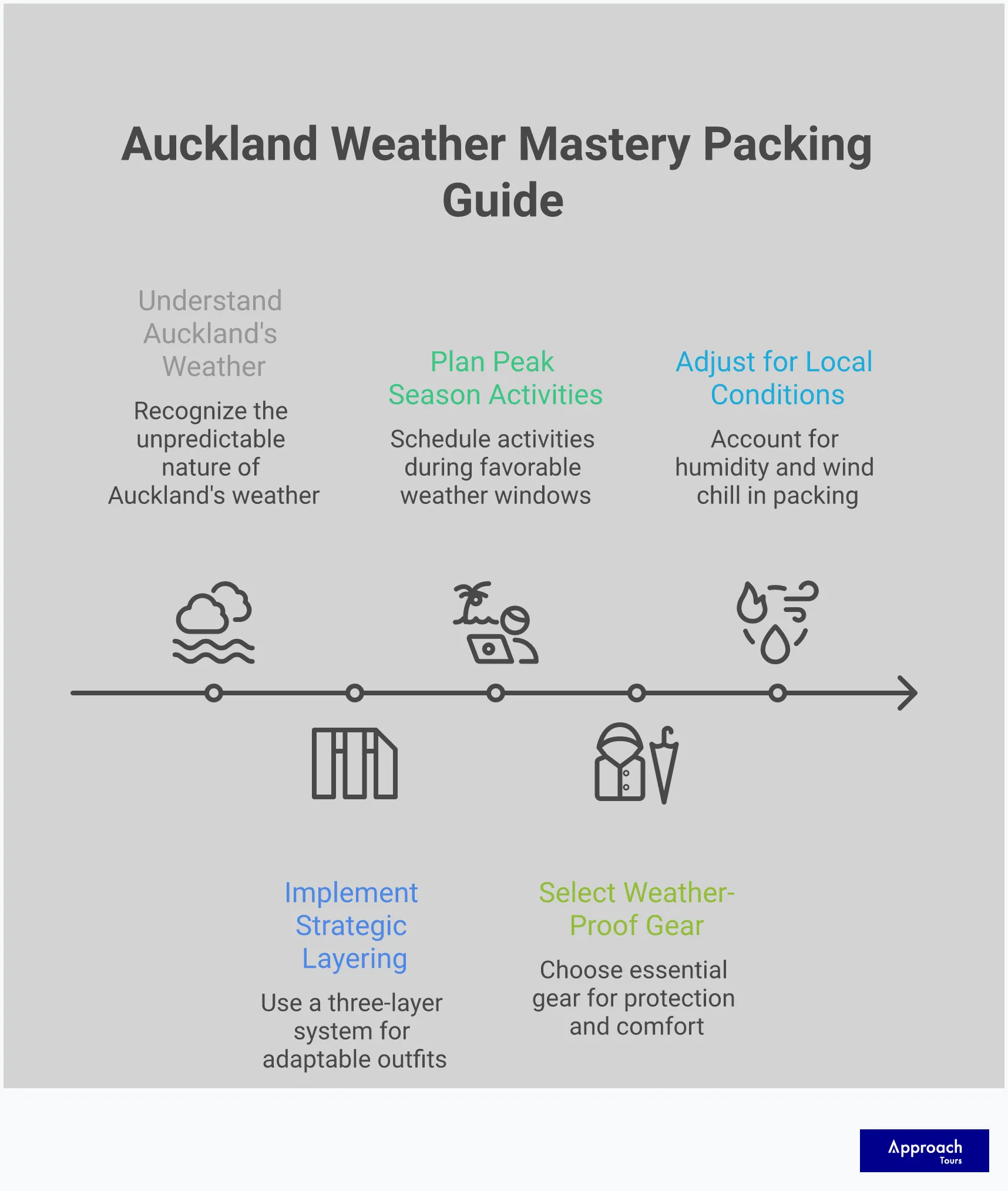
Your year-round packing essentials
No matter when you travel to Auckland a few core items will form the foundation of your suitcase. Start with a pair of comfortable well-worn walking shoes. You’ll be doing plenty of exploring on city streets and garden paths so you want your feet to be happy. Always include a lightweight sweater cardigan or fleece that you can easily slip on or off. The New Zealand sun can be surprisingly strong even on overcast days so a sun hat sunglasses and a good quality sunscreen are non-negotiable. Finally a small daypack is perfect for carrying these essentials along with a reusable water bottle so you can stay hydrated on the go.
The secret to comfort: mastering the art of layering
The true secret to staying comfortable in Auckland’s changeable climate is layering. This simple strategy allows you to adjust your outfit throughout the day as conditions shift. Start with a breathable base layer like a cotton t-shirt or a top made from merino wool which is fantastic for regulating temperature. Add a mid-layer for warmth such as a fleece or long-sleeved shirt. Your final outer layer should protect you from the elements. This system means you can easily peel off or add a layer to match the moment whether you’re enjoying a warm café or feeling the cool sea breeze along the coast.
The one jacket you shouldn’t leave home without
If you pack only one piece of outerwear for Auckland make it a high-quality waterproof and windproof jacket. A sudden shower can appear with little warning and getting caught in the rain can put a damper on any day of exploring. In a city known for its wind a jacket is far more practical than an umbrella. Look for one that is lightweight and breathable so you don’t feel stuffy when you’re active. A hood is also an excellent feature for protecting you from both rain and wind. This single item is your best defence against Auckland’s most unpredictable weather ensuring you stay dry and comfortable in a city where rain is possible year-round.
Related Articles
- Best New Zealand Tours for a Luxurious Escape
- Epic New Zealand
- Epic New Zealand Tour: Milford Sound, Hobbiton & Māori Culture
Frequently Asked Questions
I’ve heard about Auckland having ‘four seasons in one day.’ Is it really that unpredictable? This is a famous local saying and while it sounds dramatic it’s more about gentle shifts than wild weather swings. A sunny morning might see a brief shower pass through in the afternoon followed by a clear breezy evening. It’s this changeability that keeps the landscape so green. The best way to handle it is by dressing in layers. A t-shirt a light sweater and a waterproof jacket will have you perfectly prepared for whatever the day brings.
If I just want the best chance of sunny and warm weather when should I travel? For the most reliable sunshine and warmth plan your travels for late January or February. This is the height of the New Zealand summer when you can expect long pleasant days perfect for exploring the waterfront or taking a ferry to a nearby island. The weather is beautifully warm without being overwhelmingly hot making it ideal for all kinds of outdoor activities.
How cold does it actually get in winter? Will my Canadian winter coat be too much? Auckland’s winter is cool and damp but it’s nothing like a Canadian winter. You can definitely leave your heavy-duty parka at home. Temperatures in July the coldest month typically hover between 8°C and 14°C. The chill is more of a damp cold than a dry freezing one so your best defence is a good waterproof and windproof coat over a warm sweater or fleece.
Will rain ruin my plans? How often should I expect it? Rain is a regular feature of Auckland’s climate especially from May to October but it rarely ruins a day. Showers are often brief and pass quickly leaving fresh air and beautiful light in their wake. A good rain jacket is all you need to continue exploring. Think of the rain as the perfect excuse to duck into a fascinating museum or a cozy café for a flat white just as the locals do.
You mentioned summer is humid. Is it uncomfortably sticky? Auckland’s summer humidity is more of a soft tropical warmth than an oppressive stickiness. It’s most noticeable in February and it’s what keeps the evenings so beautifully mild and pleasant for dining outdoors. Packing lightweight breathable fabrics like cotton and linen will keep you very comfortable as you explore the city’s vibrant outdoor scene.