Maori Culture: The Living Soul of New Zealand
New Zealand’s Maori culture is one of the world’s most vibrant living Indigenous traditions. For over 1,000 years, Maori people have maintained their language, arts, spiritual practices, and deep connection to the land they call Aotearoa or “Land of the Long White Cloud.”
Through resilience and advocacy, Maori traditions remain vibrant throughout modern New Zealand. Te Reo Maori (the Maori language) is an official language. Maori art, performance, and customs are visible everywhere – from museums, to government ceremonies, to everyday interactions. This is a culture where traditional powhiri (welcomes) open official events, where Maori names mark every mountain and waterway, and where traditional carving adorns modern buildings.
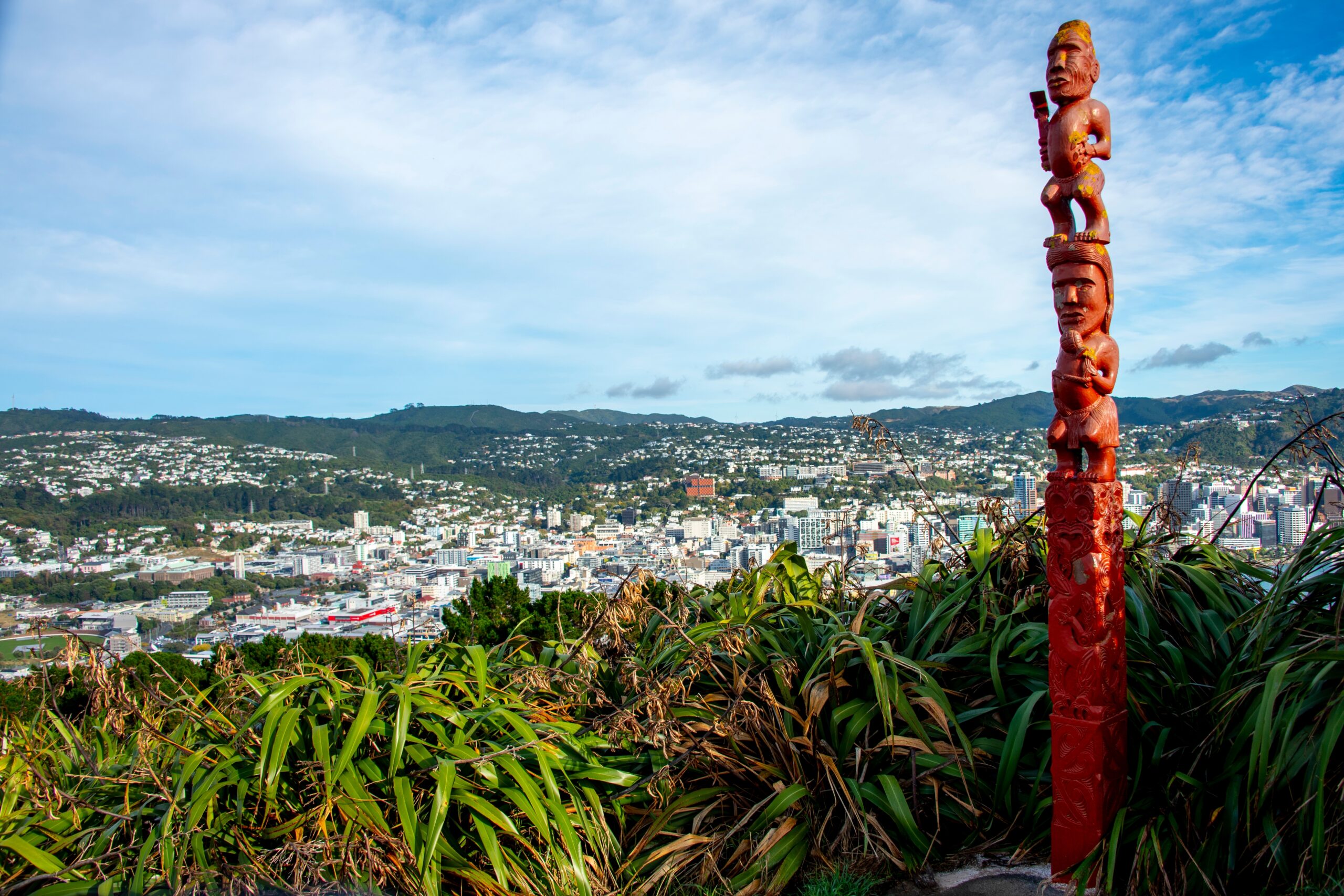
Here are the traditions that bring Maori culture to life:
The Creation Story: Ranginui and Papatuanuku
Maori mythology begins in darkness. Ranginui (Sky Father) and Papatuanuku (Earth Mother) lay locked in embrace. Their children, the gods, were trapped between them, yearning for light.
Tane Mahuta, god of forests, separated his parents by pushing them apart. Ranginui’s tears became rain. Papatuanuku’s sighs became mist. The space between earth and sky filled with light, and life began.
This story shapes how Maori people understand the natural world: mountains, rivers, and forests have whakapapa (genealogy) connecting them to gods and ancestors. The earth is viewed as a parent, deserving care and reverence.
Every natural feature in New Zealand has a story. Every geothermal spring is a taonga (treasure) with spiritual significance – Maori culture sees landscape not as scenery, but as something with genealogy and relationship.
Traditional Arts: Carving and Weaving
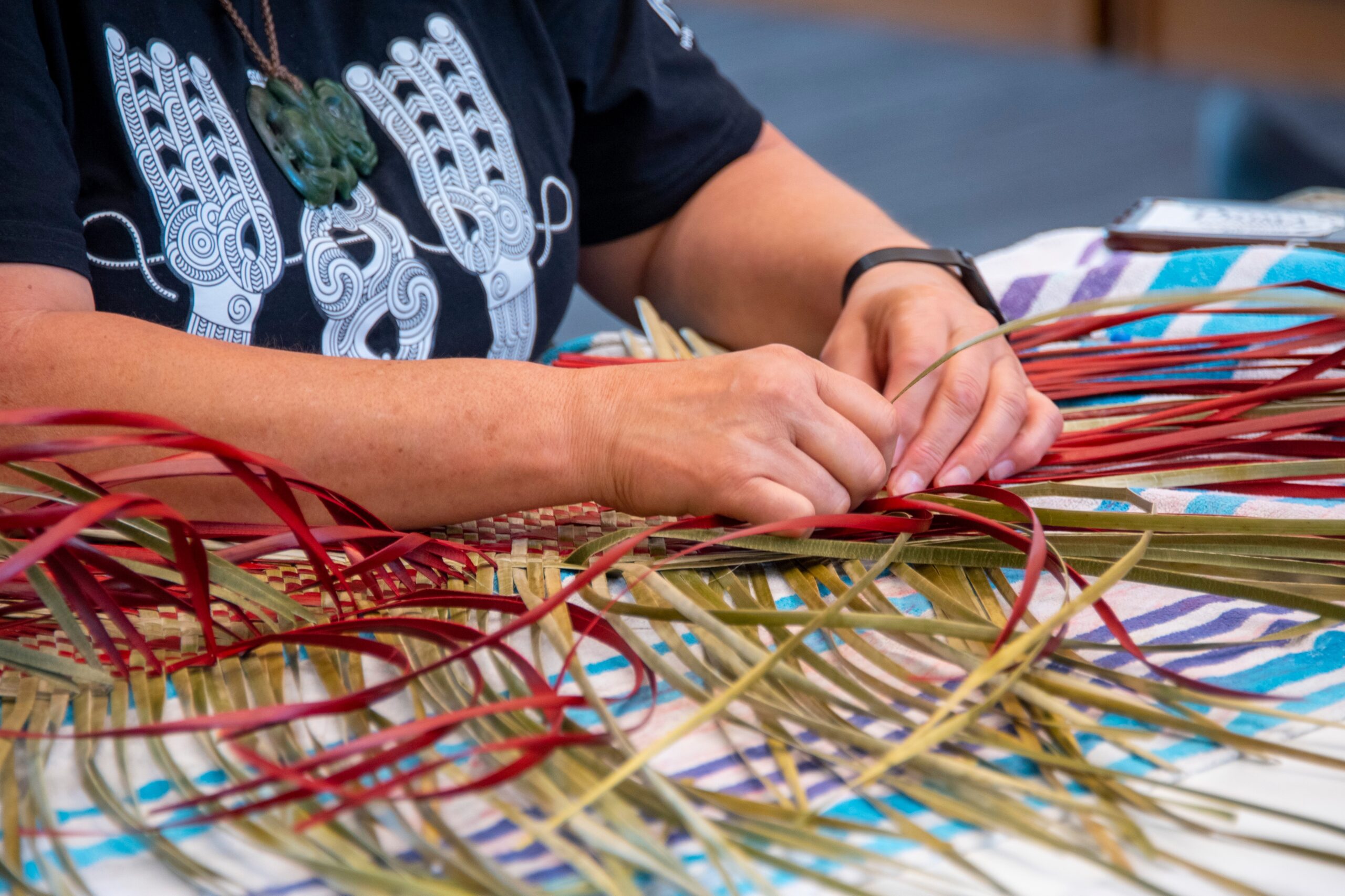
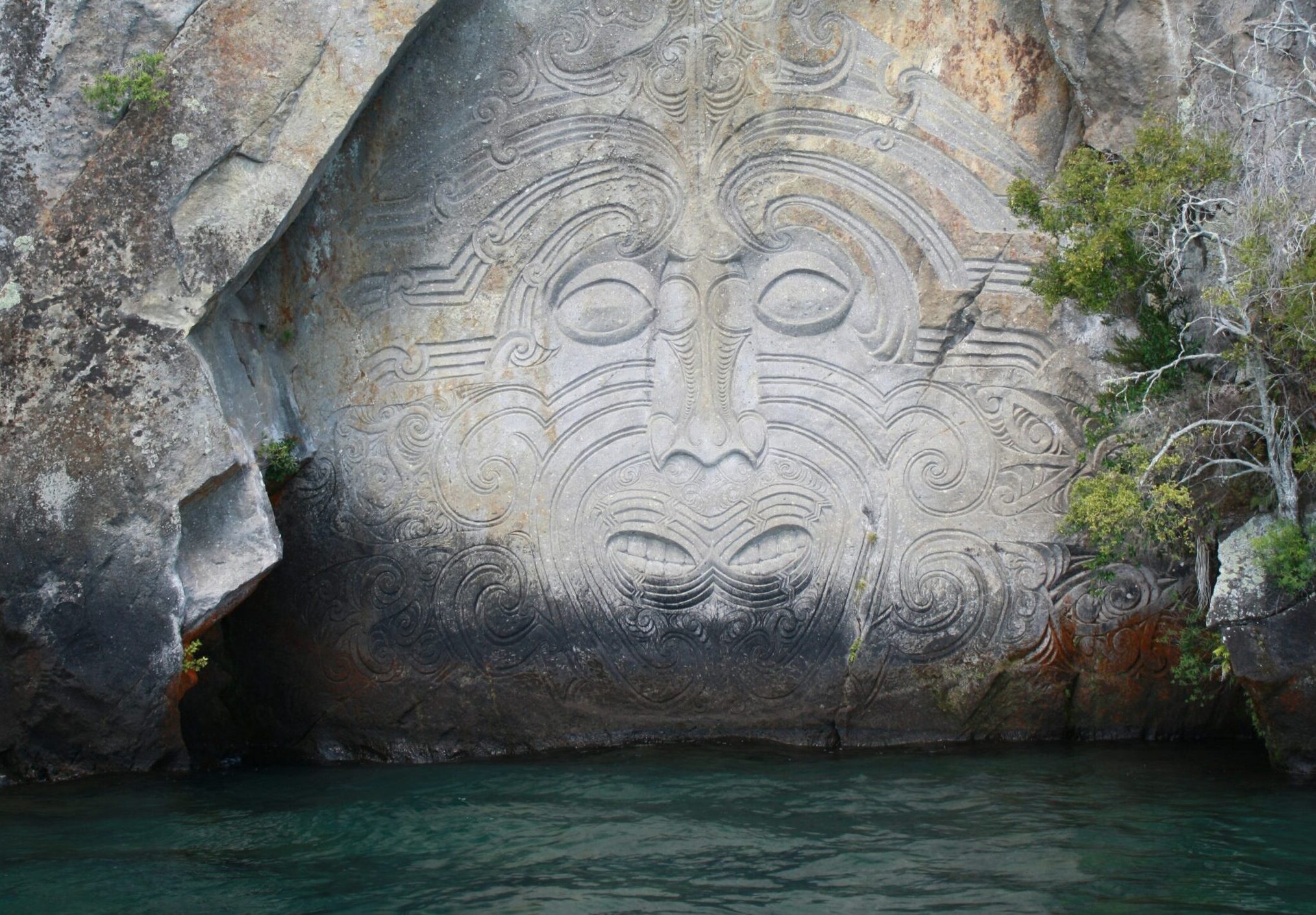
Maori carving transforms wood, bone, and stone into three-dimensional history books. Without a written language for most of their history, master carvers became the record-keepers.
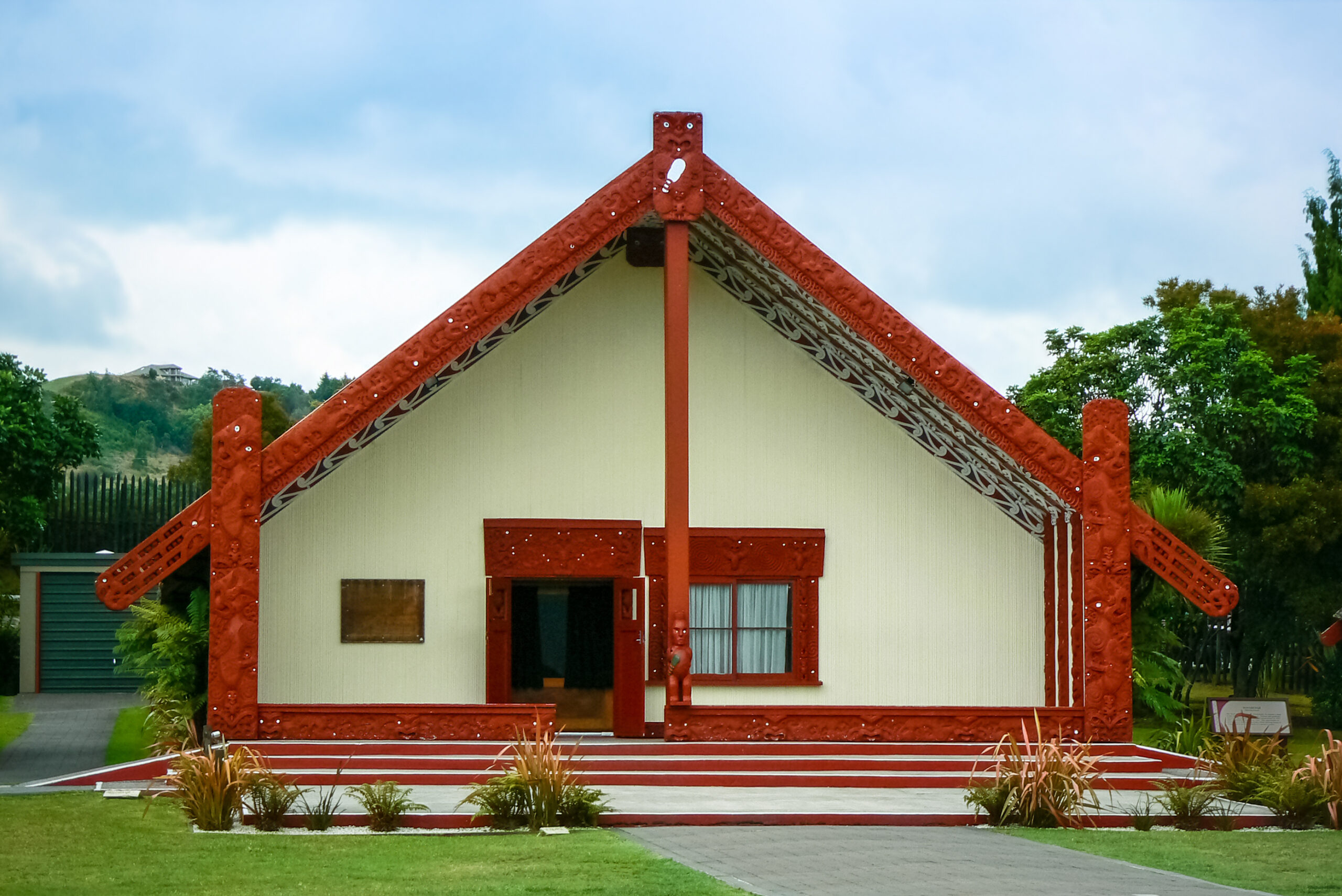
A wharenui (meeting house) is structured to represent an ancestor. The ridgepole represents the backbone. The rafters are ribs. Every carved figure on the walls depicts a specific person in the tribe’s history, their deeds preserved in intricate detail.
Each spiral (koru) and geometric pattern tells part of a story. The koru represents new life – an unfurling fern frond. Manaia figures serve as spiritual guardians. Nothing is purely decorative! Everything encodes meaning.
Weaving holds equal importance. Weavers transform harakeke (native flax) into cloaks, baskets, and ceremonial pieces using techniques passed down through generations. Patterns encode tribal identity and status. A chief’s cloak might take months to create, with every thread placed according to ancient protocols.
These arts aren’t historical – they’re living practices taught in schools and proudly displayed at important occasions.
The Haka: More Than a War Dance
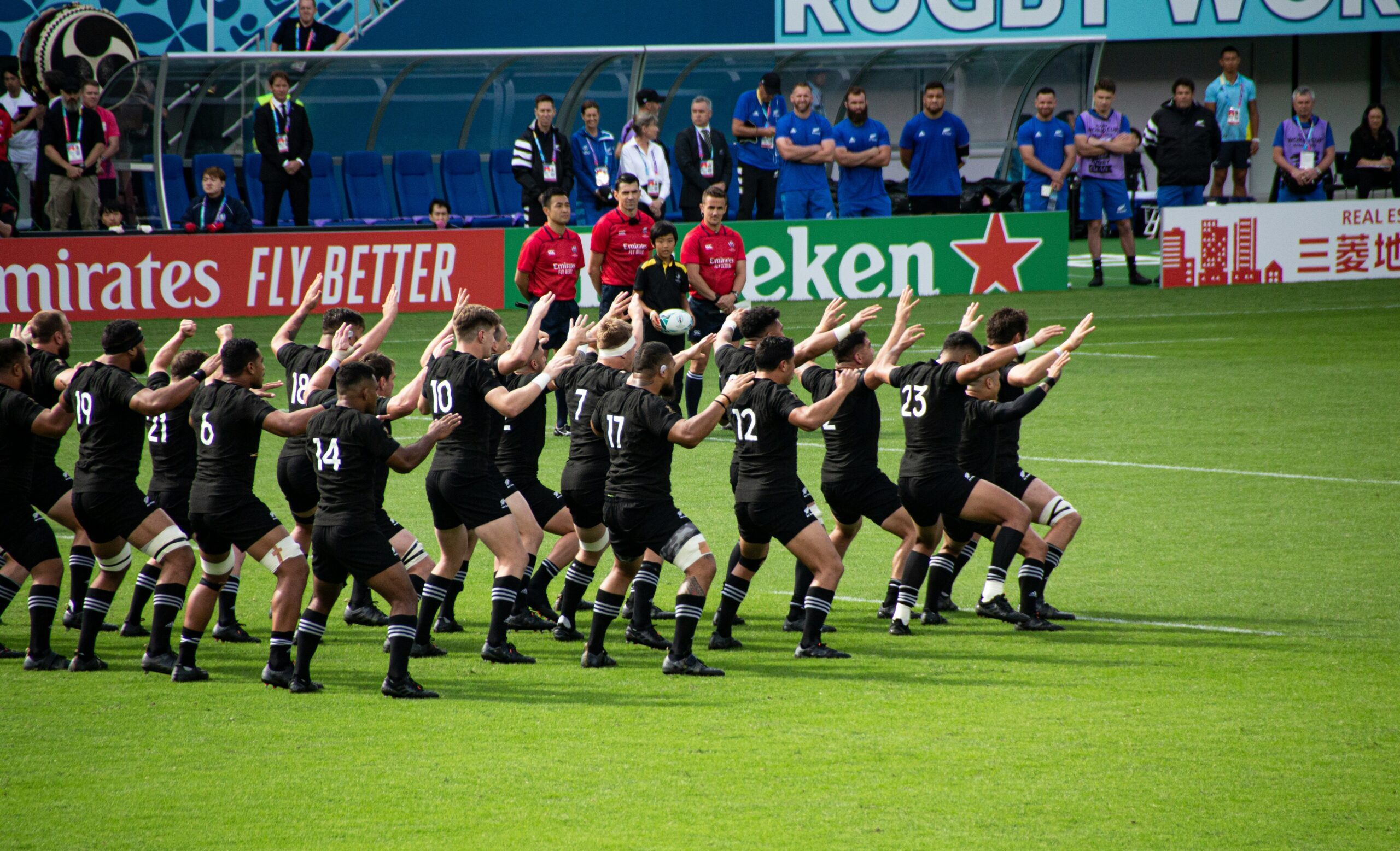
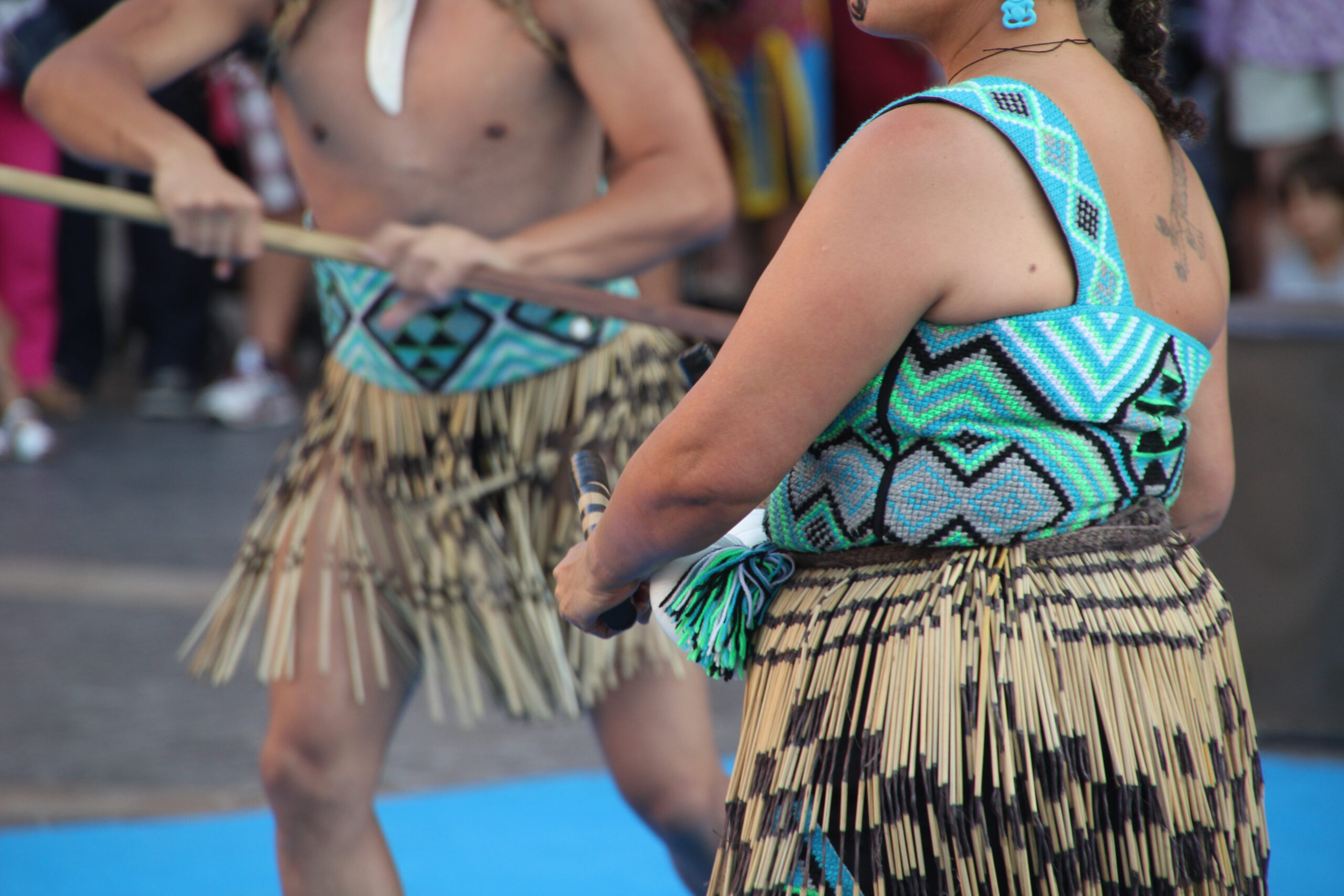
The haka is perhaps New Zealand’s most recognized cultural export, though it’s often misunderstood. It’s a war dance, yes – but it’s also used as a welcome, tribute, celebration, and challenge. It’s performed at weddings, funerals, rugby matches, and state ceremonies!
The most famous haka, “Ka Mate,” was composed by chief Te Rauparaha in the early 1800s as he escaped death. Hidden in a food storage pit by a friendly chief, he emerged into sunlight and celebrated survival:
Ka mate, ka mate! Ka ora, ka ora!
(It is death, it is death! It is life, it is life!)
Every gesture in a haka has meaning. The slapping of hands against thighs and chest creates rhythm. Wide eyes (pukana) show intensity. Trembling hands represent leaves shaking in wind. The coordinated stomping creates percussion that accompanies the chant.
Women perform poi (rhythmic swinging of balls on cords), originally used to keep warriors’ wrists flexible. Poi combines grace and geometry into impressive movement. It’s now a staple of kapa haka (Maori performing arts).
Hangi: Earth Oven Feast
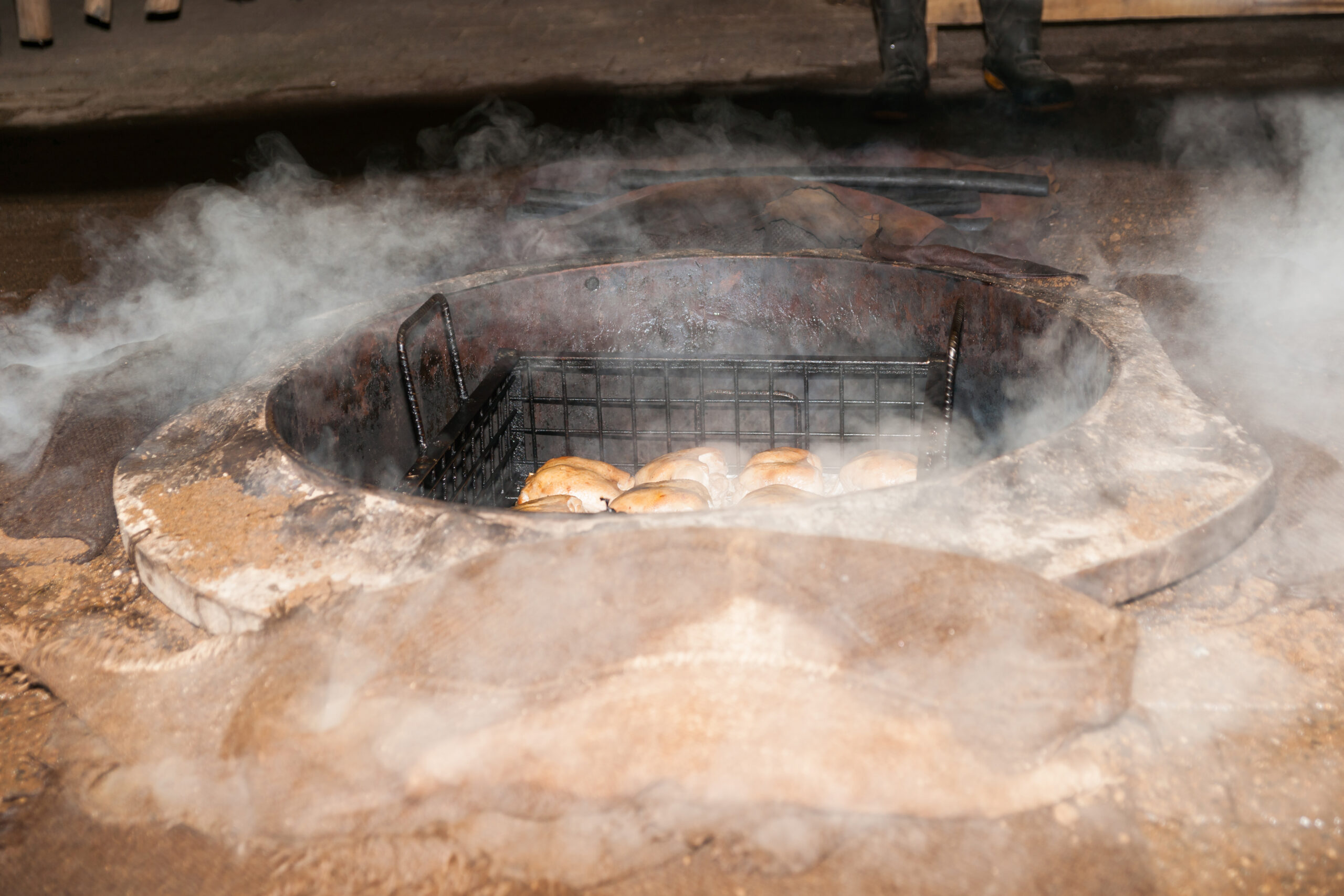
A hangi combines traditional Maori cooking method with social ceremony. Meat and vegetables are wrapped in leaves, placed in baskets, lowered into a pit lined with hot stones, covered with earth, and slow-cooked for hours.
When the earth is pulled back, steam rushes skyward carrying a distinctive smoky-sweet aroma. What emerges is fall-apart tender, infused with earthy flavours that can’t be replicated in a conventional kitchen!
Hangi is more than cooking, it’s communal. It requires planning, cooperation, and patience. The food is meant to be shared, to mark important occasions, to bring people together.
Traditional Maori kai (food) includes rewena (Maori bread made with potato starter), kumara (sweet potato brought from Polynesia by original voyagers), and for the adventurous, delicacies like tītī (muttonbird) or kina (sea urchin). Harvesting follows tikanga (customs) ensuring sustainability and respect.
Navigation and Waka: Voyagers of the Pacific
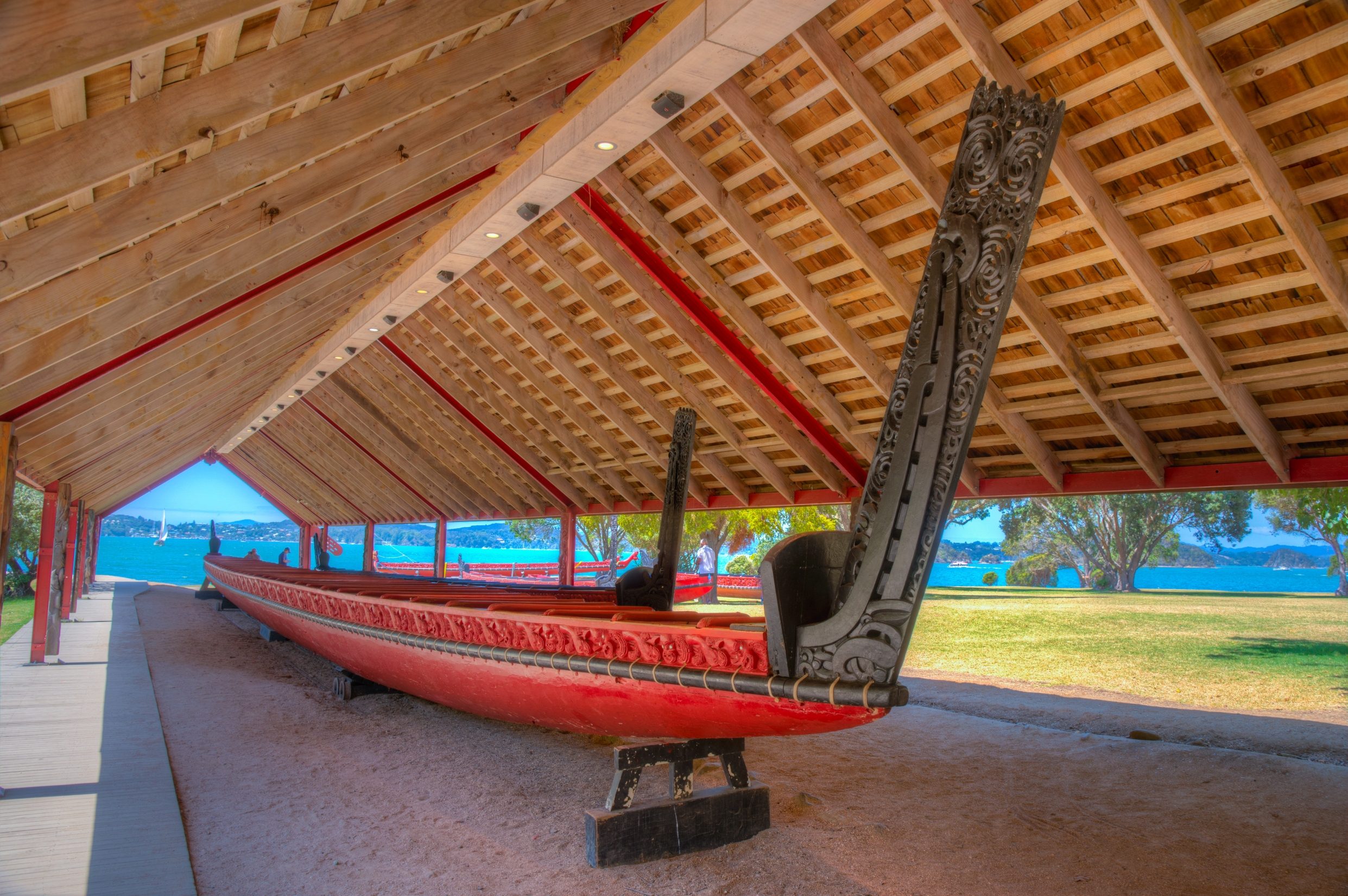
The Maori arrival in Aotearoa ranks among humanity’s great maritime achievements: around 1250-1300 CE, voyagers set out from East Polynesia in massive double-hulled waka (canoes), navigating thousands of kilometres of open ocean.
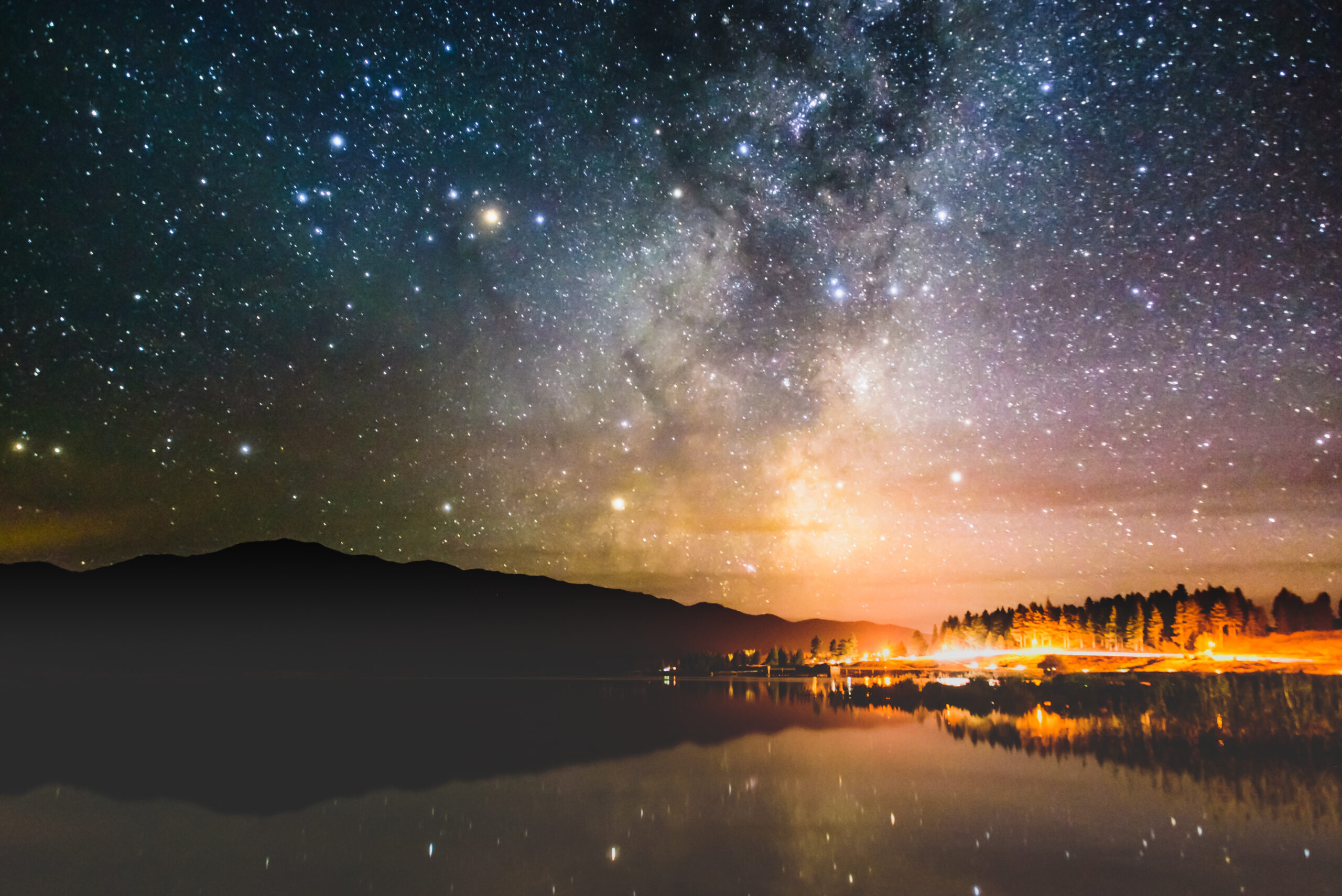
They used no compasses, no GPS, no modern instruments. Navigation relied on stars, ocean swells, bird flight patterns, and ancestral knowledge passed down through generations of wayfinders. These also weren’t accidental discoveries – these were deliberate journeys. Voyagers carried everything needed to establish life in a new land: kumara seeds, dogs, rats, cultural treasures, and knowledge.
The great waka are remembered not as vessels, but as ancestors. Many Maori trace their lineage to specific canoes: Tainui, Te Arawa, Mataatua. The landing places of these waka are marked and honoured throughout New Zealand.
Traditional waka are still built and sailed today, keeping alive the navigation skills and cultural knowledge of those first voyagers.
Where you’ll encounter these traditions on tour:

Ready to experience Aotearoa’s living culture?
What makes Maori culture remarkable isn’t just its age – it’s how present it is in everyday life. The language, the art, the ceremonies, and worldview are woven into New Zealand’s identity at every level. The traditions visitors encounter aren’t recreations, they’re the real deal, practiced and celebrated daily.
Experience these traditions on our Epic New Zealand tour!
Epic New Zealand
From north to south, New Zealand unfolds like a story told on a grand stage. Sail through fiords carved by glaciers, see snow-capped peaks stretching into the distance, and wander forests shaded by towering ferns. Here, adventure means wide-open skies, thundering waterfalls, and starry nights that make you feel small in the best way. Listen to the roar of the haka and the tales of the proud Māori people. Savour the smoky flavour of a traditional hāngī, sip world-famous Sauvignon Blanc, and sample fresh seafood by the Kaikōura shore. Breathe in the crisp scent of alpine pines and wild lupins in bloom. Feel the warmth of geothermal pools, the chill of glacial lakes at Mount Cook, and the spray of waterfalls in Fiordland. Each day builds on the last, a chapter bigger and wilder than before. This isn’t just another tour — this is New Zealand, and it’s epic.
Departures: November 2026February & March 2027 (+$500)