Best Time to Visit Portugal from Canada
The best time to visit Portugal from Canada is usually spring or fall, when Lisbon glows in comfortable sunshine, the Douro Valley is lush or golden and walking through tiled streets feels pleasant rather than punishing. For Canadian retirees, the right season is not just about warm weather. It is about gentler crowds, sensible flight planning, festivals worth lingering for and days that leave enough energy for dinner, fado and one more stroll along the river.
Ready to see Portugal without juggling flights, hotels, meals and daily logistics? Explore Approach Tours’ all-inclusive Enchanting Portugal tour, designed for Canadian travellers who want comfort, culture and ease from door to door.
Portugal is wonderfully flexible. Winter can be mild and peaceful, summer is lively and sun-drenched, spring arrives with flowers and blue skies and fall brings vineyards, harvest energy and sea breezes that still feel generous. This guide compares each season through the lens that matters most for travellers coming from Canada: weather, crowds, festivals, walking comfort and flights.
Quick answer: what is the best time for Canadian retirees to visit Portugal?
For most Canadian retirees, April, May, September and October are the best months to visit Portugal. These shoulder-season months offer a sweet balance: warm days, cooler evenings, manageable crowds and more comfortable conditions for walking tours, scenic viewpoints and historic neighbourhoods.
May is especially appealing if you like flowers, long daylight hours and a fresh spring feeling after a Canadian winter. September is ideal if you prefer warm seas, ripe vineyards and a mellow golden tone across the countryside. October can be excellent for travellers who like fewer crowds and a slower pace, especially in Lisbon, Porto and the Douro Valley.
- Best overall months: May, September and October.
- Best for flowers and fresh landscapes: April and May.
- Best for wine country: September and October in the Douro Valley.
- Best for fewer crowds: April, October and the quieter winter months.
- Best if you love heat and festivals: June, with July and August best for travellers who tolerate very warm days.
Summer is best for travellers who love heat, festive energy and busy waterfronts. Winter is best for those who value quiet museums, lower crowds and mild city breaks more than beach weather. In short, there is no bad season to visit Portugal, but there is a best season for your comfort level.
Portugal by season: a simple planning table
| Season | Best for | What to expect | Retiree comfort |
|---|---|---|---|
| Spring, March to May | Walking, flowers, mild weather | Fresh greenery, pleasant cities, some rain early | Excellent, especially April and May |
| Summer, June to August | Festivals, beaches, long days | Hot inland days, busy sights, lively evenings | Good if you tolerate heat well |
| Fall, September to November | Wine country, warm weather, fewer crowds | Golden light, harvest season, comfortable touring | Excellent, especially September and October |
| Winter, December to February | Quiet cities, lower crowds, cultural travel | Mild compared with Canada, wetter in the north | Good for city-focused travellers |
Spring in Portugal: fresh air, flowers and comfortable touring
Spring is one of Portugal’s most graceful seasons. After the dampness of winter, the countryside turns green, orange trees perfume courtyards and cafe terraces begin to hum again. Lisbon and Porto feel lively but not crowded, and the Algarve enjoys bright coastal days before the summer rush.
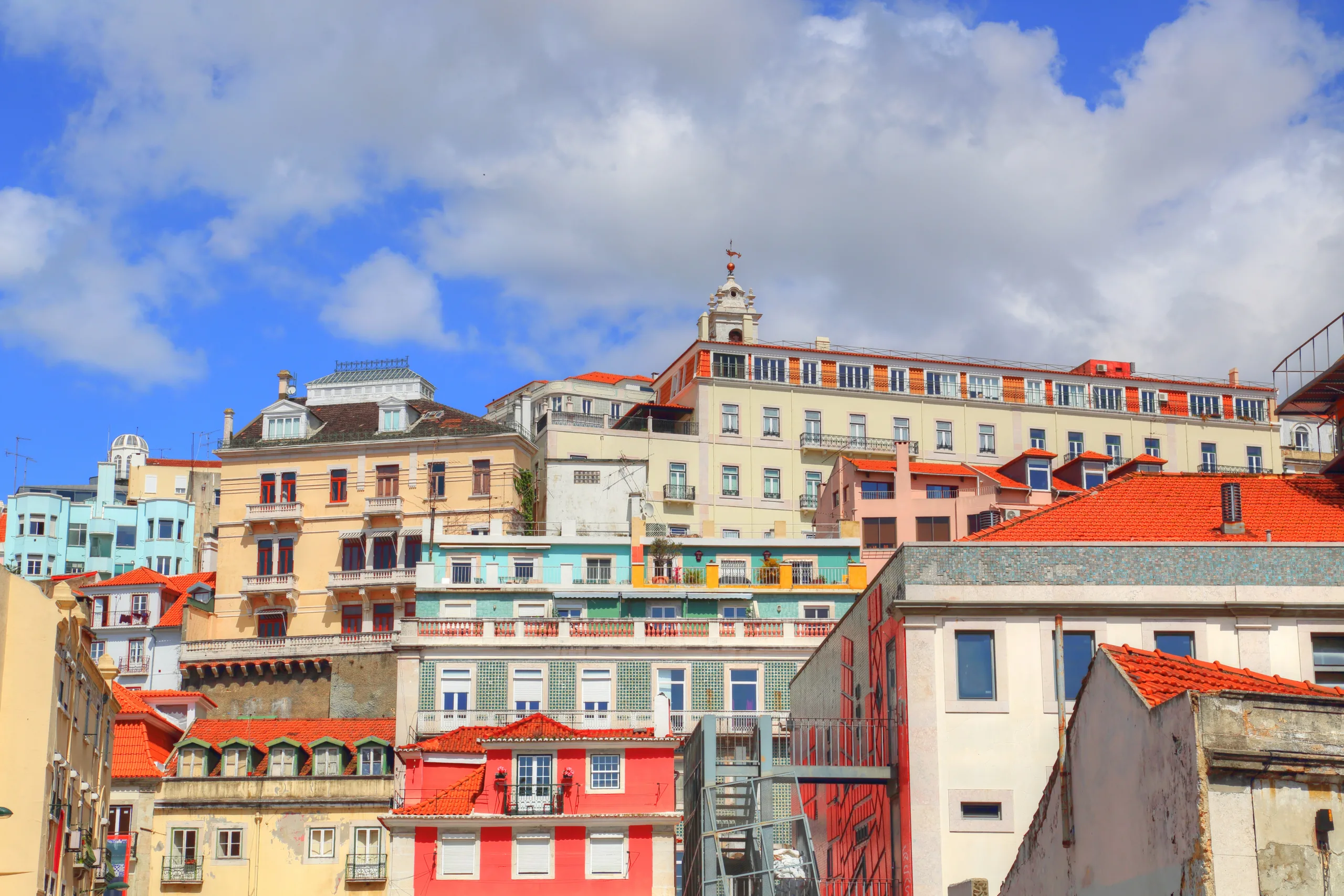
For Canadian retirees, spring is often the easiest season for daily touring. Temperatures are typically comfortable for walking through hilly neighbourhoods like Alfama in Lisbon or Ribeira in Porto. You can spend more time outside without planning every activity around the strongest sun of the day.
March can still be changeable, especially in northern Portugal, so pack a light rain jacket and layers. April feels more settled and often brings a beautiful mix of warmth and freshness. May is one of the loveliest months of the year, with generous daylight, blooming gardens and warm afternoons that still stop short of summer heat.
Spring also works well for travellers who want to avoid the most crowded conditions at major sites. Belem Tower, Jeronimos Monastery, Sintra’s palaces and Porto’s riverside viewpoints are still popular, of course, but the atmosphere is usually more relaxed than in July or August.
Summer in Portugal: bright, festive and best paced carefully
Summer brings Portugal into full colour. The days are long, the Atlantic sparkles, outdoor dinners stretch late into the evening and festival calendars are full. June is often the most comfortable summer month, while July and August can be hot, particularly inland and in stone-paved city centres.
If you enjoy lively streets and warm nights, summer has real charm. Lisbon celebrates popular saints in June, with music, grilled sardines and neighbourhood decorations. Coastal areas feel joyful and animated. The Algarve is at its beachy peak, and riverfront promenades in Porto glow at sunset.
The tradeoff is heat and crowds. For retirees who prefer unhurried sightseeing, midsummer requires a smart rhythm: earlier starts, shaded breaks, a slower lunch and a lighter afternoon. Cobblestone streets can reflect heat, and hilly routes feel more demanding when temperatures rise.
Summer is also high season for many international visitors. Hotels and flights can be more expensive, and famous viewpoints or monuments may require more patience. If summer is your only available window, choose June or early September if possible, pack breathable layers and plan the day around comfort rather than ambition.
Fall in Portugal: wine harvests, golden light and easy walking days
Fall may be Portugal’s most satisfying season for travellers who want warmth without the intensity of summer. September often still feels summery, with beach weather in many coastal areas and warm evenings in Lisbon. October softens the light, cools the air and creates wonderful conditions for walking, touring and lingering over long meals.
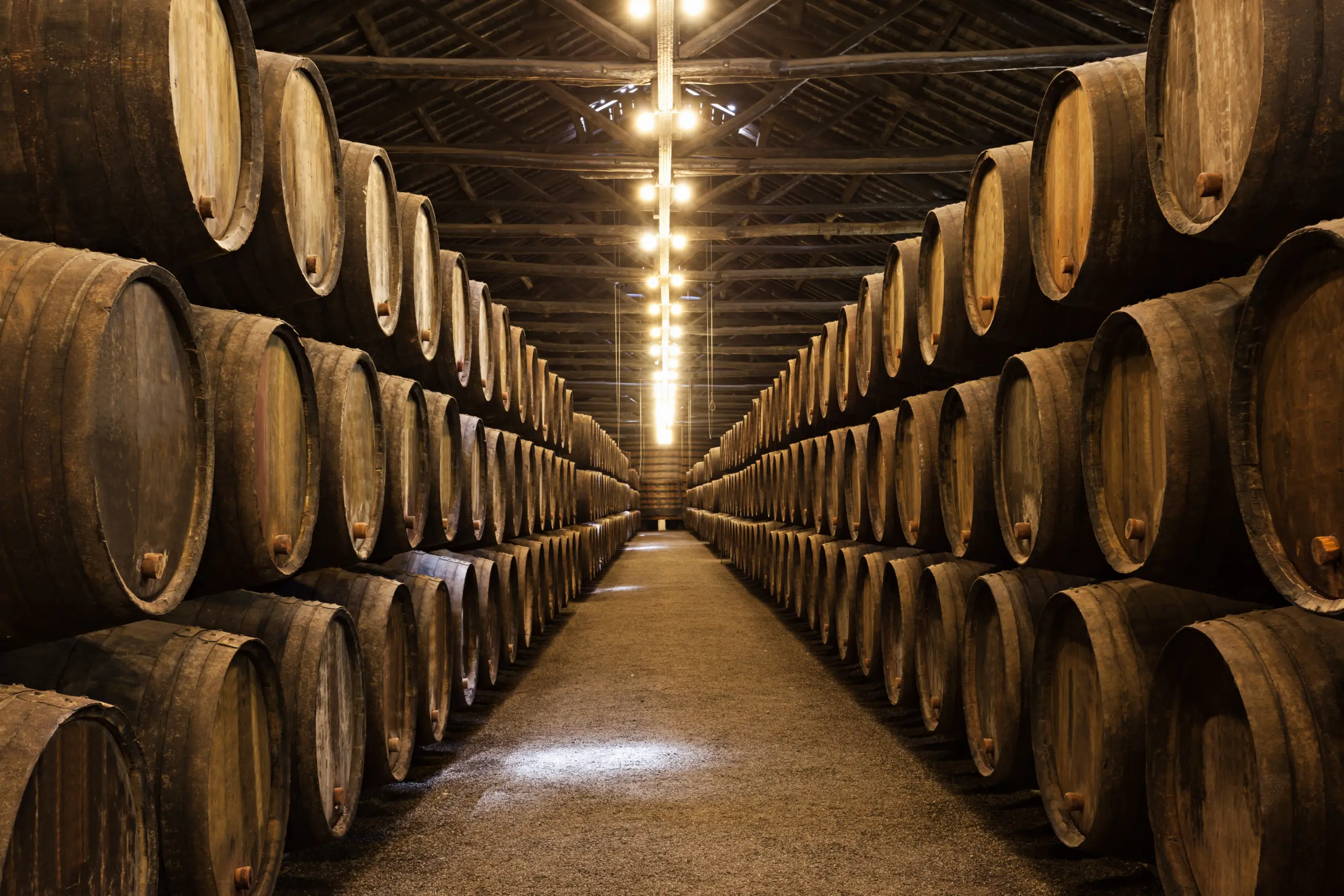
The Douro Valley is a special highlight in fall. Vineyards shift from green to gold, harvest traditions animate the region and the terraced hillsides look especially dramatic above the river. For travellers interested in Portuguese wine, this is a memorable time to go. You can also pair seasonal planning with our guide to Portugal wine tours if vineyard experiences are high on your list.
Fall is also practical. Crowds thin after the summer peak, flights may be easier to manage than in August and city touring becomes more comfortable. September can still be busy, but the feeling is less compressed than high summer. By October, museums, monasteries and historic centres often feel more spacious.
November is a transition month. It can be peaceful and rewarding, but rain becomes more likely, especially in Porto and the north. If your ideal trip includes scenic drives, outdoor viewpoints and a mix of city and countryside, September and October are stronger choices.
If Portugal is calling, Approach Tours makes the season feel effortless. Our Enchanting Portugal tour includes international flights, 4-star hotels, every meal, excursions, tips, emergency medical insurance and 24/7 Group Guru support in one transparent CAD price.
Winter in Portugal: mild cities, quieter sights and a slower rhythm
Winter in Portugal feels gentle compared with much of Canada. You will not find tropical heat, but you will find mild city days, quiet museums, uncrowded cafes and a pleasing sense that Portugal belongs to locals again. Lisbon is usually the better winter base than the north if you want drier conditions, while Porto and the Douro Valley can be cooler and wetter.
Winter is a fine choice for travellers who enjoy culture more than beaches. Museums, churches, tiled train stations, markets and neighbourhood restaurants all continue beautifully in the off-season. Christmas lights bring sparkle to city squares, and the quieter atmosphere can make historic places easier to appreciate.
The main limitation is weather variability. Rain is more common, daylight is shorter and some coastal experiences feel less vibrant. You will want layers, comfortable waterproof shoes and a flexible attitude. For a first Portugal trip focused on classic sightseeing, spring or fall will usually offer a better overall balance.
Weather and walking comfort: what Canadian retirees should know
Portugal rewards walkers. Lisbon’s miradouros, Porto’s riverbanks, Sintra’s palace paths and the stone lanes of medieval towns are part of the pleasure. They are also the reason season matters. Comfortable walking weather can turn a good itinerary into a glorious one.
Spring and fall are the best seasons for walking comfort. Temperatures are usually mild enough for steady touring, and you can enjoy outdoor lunches, scenic stops and cultural visits without feeling rushed indoors. Bring supportive walking shoes with good grip. Portugal’s calcada, the famous patterned pavement, is beautiful but can be uneven or slippery after rain.
- Pack supportive walking shoes with grip for cobblestones and tiled sidewalks.
- Bring a light waterproof jacket in spring, fall and winter, especially for northern Portugal.
- Plan hilly Lisbon and Porto walks earlier in the day during warmer months.
- Keep a small day bag with water, sunscreen, a hat and an extra layer for churches, viewpoints and shaded squares.
- Choose an itinerary that balances active mornings with scenic drives, long lunches and slower cultural visits.
Summer walking requires more care. Morning sightseeing is often best, especially for hilly neighbourhoods or open plazas. A hat, water, sunscreen and breathable clothing are essential. Winter walking is pleasant on dry days, but pack a compact umbrella and light waterproof jacket.
If mobility or stamina is a concern, consider itinerary design as much as the month. A well-paced group tour can make Portugal easier by reducing transfer stress, organizing entrances and balancing active days with scenic drives and restorative meals.
Crowds and prices: when Portugal feels more relaxed
Portugal has become one of Europe’s beloved destinations, and with good reason. Its cities are gorgeous, its coast is dramatic and its hospitality is warm. That popularity means timing affects the feeling of your trip.
July and August are typically the busiest months, particularly in Lisbon, Porto, Sintra and the Algarve. Expect more visitors, higher demand for hotels and a livelier atmosphere overall. June and September are also popular but often more manageable.
April, May and October are strong choices for a more relaxed experience. You still get appealing weather, but the pace can feel less hurried. Winter brings the fewest crowds, although some smaller coastal areas may feel quiet outside the main season.
For a broader seasonal look at destination planning, you may enjoy our guide to the best travel destinations by season for Canadians. Portugal fits beautifully into the spring and fall sweet spots, especially for travellers who want cultural depth with comfortable days.
Festivals and cultural moments worth planning around
Portugal’s calendar adds another layer to seasonal planning. In June, Lisbon and other cities celebrate popular saints with music, decorations and an infectious neighbourhood spirit. It is lively, local and wonderfully atmospheric, though not always quiet.
Spring brings Easter traditions and flower-filled landscapes, especially in gardens and countryside towns. Fall brings the wine harvest, particularly in the Douro Valley, where the land itself seems to turn celebratory. Winter offers Christmas markets, lights and seasonal sweets, creating a softer, more intimate version of Portugal.
Food also follows the seasons. Spring tastes fresh and green. Summer leans toward seafood, grilled fish and cool vinho verde. Fall is generous with wine, stews and roasted flavours. Winter invites custard tarts, hearty soups and long cafe pauses when rain taps gently at the windows.
Flights from Canada: how season affects the journey
Flights from Canada to Portugal are usually easiest to plan when you allow flexibility with dates, gateways and connection times. Toronto and Montreal often have the strongest transatlantic options, while travellers from Vancouver, Calgary or Ottawa may connect through another Canadian or European hub.
High summer can bring stronger demand and higher fares. Spring and fall may offer a better balance of availability, comfort and value, though popular tour dates can still fill well in advance. Winter can sometimes be attractive for fares, but schedules and weather at Canadian departure airports should be considered carefully.
For retirees, the flight question is not only price. It is also comfort. Consider arrival time, layover length, airport walking distances and how much energy you want on your first day. If you are comparing independent planning with a packaged experience, our article on Portugal trip costs from Canada explains how flights, hotels, meals and tours can add up.
Approach Tours removes much of that puzzle by including international flights, domestic logistics, private door-to-door car service within 100 km of gateways, all meals and the guidance of a Canadian Group Guru. That can be especially helpful when you want the joy of Portugal without a spreadsheet full of moving parts.
So, when should you book Portugal?
If you want the simplest recommendation, book Portugal for May, September or October. These months suit the classic first-time Portugal experience: Lisbon, Porto, the Douro Valley, historic towns, coastal views and plenty of walking in weather that is usually kind to curious travellers.
Choose spring if you love fresh landscapes, flowers and the feeling of Europe waking up. Choose fall if wine country, warm light and mellow crowds sound irresistible. Choose summer if you thrive in heat and festival energy. Choose winter if you want quiet culture, mild city days and fewer visitors.
Portugal is not a destination to rush. It is a place of blue tiles and golden hills, Atlantic breezes and candlelit fado, monastery cloisters and warm pastries dusted with cinnamon. Pick the season that lets you move comfortably, savour fully and return home with stories that feel sunlit.
Want Portugal planned from your Canadian doorstep to your final toast in Porto? See Approach Tours’ all-inclusive Enchanting Portugal tour and discover a no-fuss way to experience Lisbon, Porto, the Douro Valley, the Algarve and more.
Frequently asked questions about visiting Portugal from Canada
Is Portugal warm in October?
Portugal is often pleasantly warm in October, especially in Lisbon, the Algarve and many coastal areas. Evenings can be cooler, and northern Portugal may see more rain, so Canadian travellers should pack layers and a light waterproof jacket.
What is the rainy season in Portugal?
Portugal’s rainiest period is generally late fall through winter, especially from November to February. The north, including Porto and the Douro Valley, is usually wetter than Lisbon and the Algarve, which is why spring and early fall are often easier for sightseeing.
How long is the flight from Canada to Portugal?
A nonstop flight from eastern Canada to Lisbon is commonly around 6 to 7 hours, depending on the gateway and route. Travellers departing from western Canada usually connect through another Canadian or European city, which makes total travel time longer.
Is Portugal good for retirees?
Portugal is an excellent destination for many retirees because it combines culture, scenery, mild weather, warm hospitality and a manageable pace. A thoughtfully planned group tour can make the experience even easier by handling flights, hotels, meals, entrances and daily logistics.
What month has the fewest crowds in Portugal?
January and February usually bring the fewest crowds, especially in major cities and museums. If you want better weather while still avoiding the summer rush, April and October are often stronger choices for a first Portugal trip.