The best time to visit Morocco is generally spring or fall, when imperial cities, Atlas passes and the Sahara are most comfortable to explore. April, May, September and October offer the broadest balance, although every region follows a different rhythm.
Explore the Morocco tour with Approach Tours
Morocco’s geography creates striking contrasts. Atlantic breezes can cool Casablanca while Marrakech feels intensely warm, and a sunny desert afternoon can become a cold evening. Choosing well means considering both the calendar and the route.
This guide uses approximate typical temperature ranges, not promises. Weather varies by year, elevation and location, so check a reliable forecast shortly before departure.
Best time to visit Morocco at a glance
For a tour that combines cities, mountains and desert, spring and fall are the most versatile seasons. Days are often pleasantly warm, evenings are manageable with layers and outdoor sightseeing usually feels inviting.
| Season | Typical experience | Best suited to | Main consideration |
|---|---|---|---|
| Spring, March to May | Warm days, green landscapes and cooler evenings | Wide-ranging cultural tours | Popular sites can be busy |
| Summer, June to August | Hot inland, milder near the Atlantic | Coastal stays and heat-tolerant travellers | Desert and city heat can be severe |
| Fall, September to November | Declining heat and generally comfortable touring | City, mountain and desert combinations | September may remain hot inland |
| Winter, December to February | Mild sunny days in some areas, cold nights | Quieter city visits and southern Morocco | Rain, mountain snow and chilly interiors |
Temperature differences within one day matter as much as seasonal averages. A light jacket may be welcome after sunset even when the afternoon felt warm.
Morocco weather month by month
These ranges describe approximate daytime highs and nighttime lows in representative regions. Marrakech stands for the warm inland cities, coastal figures reflect Casablanca or Essaouira, and desert figures reflect the Merzouga area.
January and February: quiet cities and crisp nights
January is among Morocco’s coolest months. Marrakech often reaches about 17 to 20 C by day, then falls near 6 to 8 C overnight. Fez can feel cooler and wetter.
Along the Atlantic, daytime temperatures often sit near 16 to 19 C. Rain is possible. In the desert, afternoons may reach 17 to 22 C, while nights can approach 2 to 6 C.
February brings a modest warming trend, with Marrakech often near 19 to 22 C during the day. Snow can still affect higher Atlas routes, so flexibility remains important.
March and April: spring touring begins
March usually brings comfortable sightseeing conditions. Typical Marrakech highs range from 22 to 25 C, while nights hover near 10 to 12 C. Coastal days are often 18 to 21 C.
April is an excellent all-round choice. Marrakech commonly reaches 24 to 28 C, Fez often sits near 21 to 25 C and desert afternoons can reach roughly 27 to 31 C.
Spring weather is not perfectly settled. Brief rain, cool mountain air or desert winds can still occur. Layers and a light rain shell help travellers adapt without overpacking.
May and June: warmth builds inland
May remains appealing, especially early in the month. Marrakech daytime highs commonly reach 27 to 32 C, while coastal communities often remain between 20 and 24 C.
Merzouga and nearby desert areas may reach 31 to 36 C by day. Nights are usually more comfortable, often near 17 to 21 C, although conditions vary.
June signals the start of serious inland heat. Marrakech often reaches 32 to 37 C, and desert locations can climb toward 38 to 42 C. Atlantic breezes keep Essaouira considerably milder.
July and August: coastal comfort, intense inland heat
July and August are Morocco’s hottest months. Marrakech commonly sees daytime highs around 36 to 41 C, with hotter spells possible. Desert highs may exceed 43 C.
By contrast, Casablanca and Essaouira often remain around 23 to 28 C during the day. Fog and strong Atlantic breezes can make the coast feel surprisingly cool.
Travellers who visit inland during summer should pace themselves, carry water and reserve demanding walks for mornings. A comfortable coach helps between stops, but outdoor heat still shapes each day.
September and October: a rewarding fall window
September can remain hot in Marrakech, where daytime highs often range from 31 to 36 C. By late month, evenings become gentler and desert conditions begin improving.
October is one of the strongest choices for a varied itinerary. Marrakech often reaches 26 to 31 C, coastal areas about 22 to 26 C and Merzouga roughly 28 to 33 C.
The combination of warm light, cooler evenings and manageable daytime heat makes October especially attractive. Demand can be high, so early planning is sensible.
November and December: cooler days return
November brings pleasant afternoons and cooler nights. Marrakech highs often range from 21 to 25 C, while desert evenings may fall near 7 to 11 C.
December remains inviting for travellers who prefer quieter sites. Inland cities often reach 18 to 22 C by day, yet nights may fall below 7 C.
Coastal rain becomes more likely, and higher Atlas roads can face winter conditions. A warm layer, waterproof outer layer and closed footwear improve comfort.
How Morocco’s regions change the answer
No single forecast represents the entire country. Elevation, distance from the ocean and the Atlas Mountains can produce dramatically different conditions over a few hours of driving.
Imperial cities: Marrakech, Fez, Meknes and Rabat
Marrakech and Fez reward unhurried exploration, from tiled courtyards to lively medinas. Spring and fall let travellers spend more time outside without planning every stop around extreme temperatures.
Marrakech is usually warmer and drier than Fez. Fez can be chilly and rainy in winter, while Marrakech summer afternoons often become intensely hot. Rabat’s Atlantic influence moderates its climate.
A market visit is enjoyable in any season when approached with patience and courtesy. Read this practical guide to haggling in a Moroccan souk before browsing.
Atlantic coast: Casablanca and Essaouira
The Atlantic coast offers Morocco’s most moderate summer weather. Essaouira is known for frequent breezes, while Casablanca combines mild coastal conditions with the energy of a large city.
Summer is appealing here, although cool wind can surprise travellers expecting constant heat. Winter remains relatively mild, but rain and grey days are more likely from November through February.
Atlas Mountains: elevation changes everything
Mountain temperatures drop quickly with elevation. A warm city morning can lead to a cool pass by afternoon. Winter snow may affect high routes, while spring melt makes valleys greener.
Late spring and early fall usually balance accessibility with comfortable walking weather. Even then, carry a warm layer and sun protection. Forecasts for Marrakech do not represent conditions in the High Atlas.
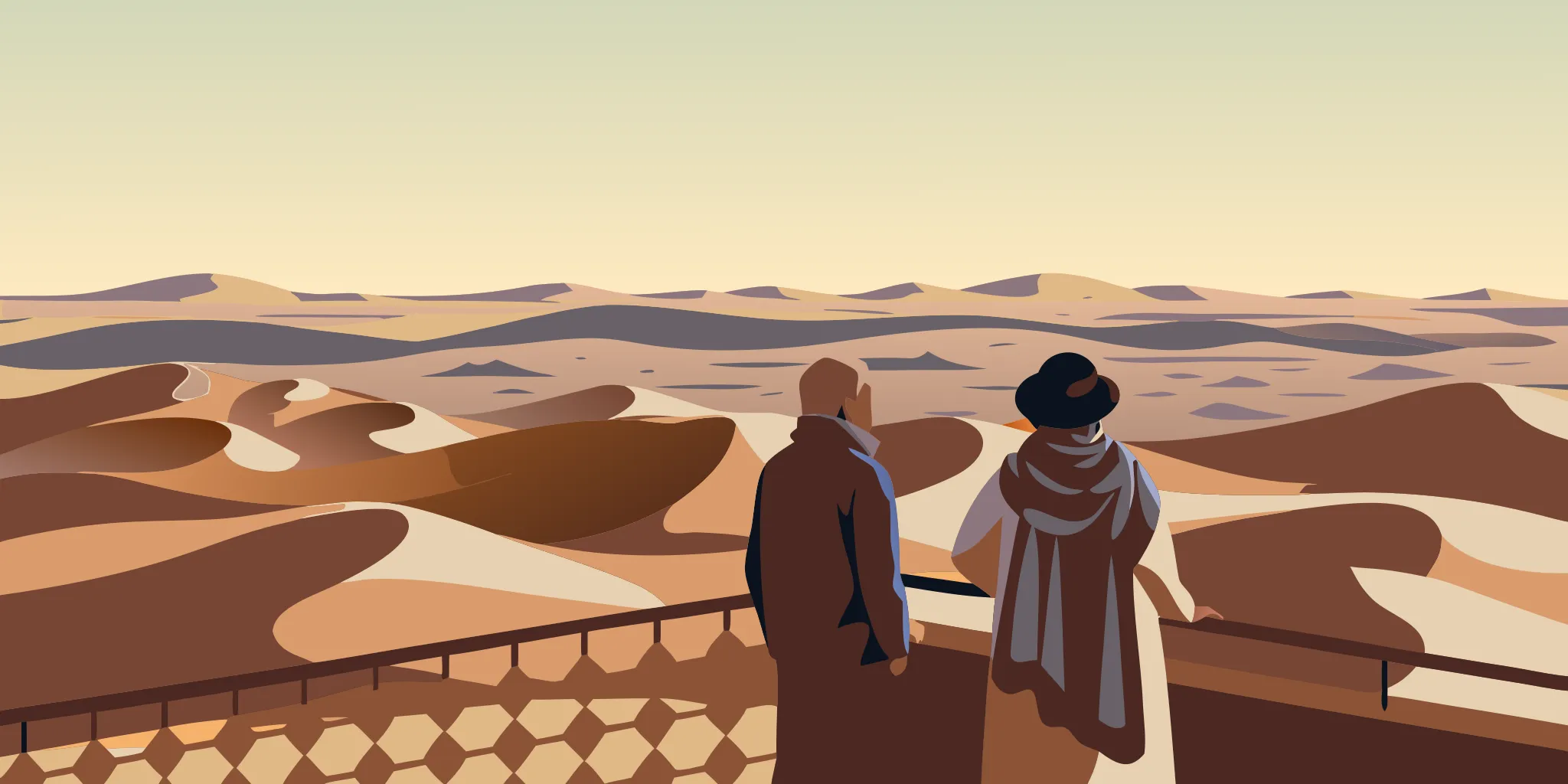
Sahara: powerful heat and cold nights
March, April, October and November are generally the most comfortable desert months. Daytime warmth supports outdoor exploration, while evenings invite stargazing with a jacket close at hand.
Winter desert nights can feel surprisingly cold. Summer brings fierce heat and requires careful pacing. The contrast is part of what makes the Sahara’s atmosphere so memorable.
Festivals and cultural dates to consider
Weather is only one part of timing a Morocco tour. Festivals can add music, storytelling, ceremony and regional character. They can also affect accommodation, traffic and opening hours.
Named festivals worth knowing
The Fez Festival of World Sacred Music generally takes place in late spring or early summer. Performances bring international and Moroccan traditions into historic venues across Fez.
The Gnaoua World Music Festival in Essaouira is commonly held in June. It celebrates Gnaoua music alongside artists from other traditions and draws lively crowds to the coastal city.
The Rose Festival in Kelaat M’Gouna usually occurs in May, around the rose harvest. The Erfoud Date Festival, often held in fall, celebrates the oasis harvest and regional culture.
Marrakech’s International Film Festival is generally scheduled late in the year. Festival schedules can change, and some events follow harvest conditions. Always confirm exact dates before arranging flights.
Ramadan and religious observances
Ramadan follows the Islamic lunar calendar, so its dates move earlier each Gregorian year. During daylight fasting hours, some restaurants, shops and attractions may operate on adjusted schedules.
Evenings can feel wonderfully animated after the fast ends. Visitors should be considerate and follow local guidance. Ramadan and Eid dates are movable, so check confirmed dates before departure.
Other religious festivals and local moussems may also move or be announced close to the event. Treat attendance as an enriching possibility rather than a guaranteed itinerary feature.
Choosing the right season for your travel style
The best month is personal. Heat tolerance, preferred pace, packing habits and the landscapes that matter most should guide the decision.
For comfortable, wide-ranging touring
Choose April, May or October for the strongest balance across regions. These months support city walks, mountain drives and desert evenings without the deepest winter chill or peak summer heat.
September and November are also worthwhile. September suits travellers comfortable with lingering heat, while November suits those who prefer cooler conditions and do not mind short evenings.
For quieter sites and cooler weather
January, February and early December can bring fewer crowds at major attractions. Sunny afternoons are possible, but warm layers are essential for mornings, evenings and unheated historic spaces.
Winter suits travellers who enjoy a measured pace and can accept occasional rain or route changes. It is less suitable for anyone expecting reliably warm evenings.
For food, markets and cultural immersion
Moroccan cuisine is a highlight throughout the year. Seasonal produce changes, but tagines, couscous, breads and fragrant mint tea remain central to the experience.
Build anticipation with these six memorable Moroccan meals. In markets and family-run restaurants, a curious and respectful approach often leads to the richest conversations.
Practical packing and comfort advice
Morocco rewards adaptable packing. A carefully chosen layer is more useful than a large suitcase filled for only one temperature.
- Bring breathable layers. Light shirts, trousers and a mid-layer handle changing temperatures without adding bulk.
- Pack a warm outer layer. Desert nights, mountain passes and winter mornings can be cold.
- Choose supportive footwear. Medina lanes, historic sites and uneven surfaces call for stable, comfortable shoes.
- Carry sun protection. A brimmed hat, sunglasses and sunscreen matter in every season.
- Add a light rain shell. It is particularly useful on the coast and in northern Morocco from late fall through early spring.
- Dress respectfully. Clothing that covers shoulders and knees is practical and considerate in many settings.
Travelling with a Group Guru adds continuity while local guides provide destination expertise. Approach Tours also uses a comfortable coach for longer drives between Morocco’s distinct regions.
Learn more about the support built into an Approach Tours experience when comparing ways to explore Morocco.
Frequently asked questions about visiting Morocco
What is the best month to visit Morocco?
April and October offer the most balanced conditions for many travellers. Both usually combine comfortable city sightseeing, manageable desert temperatures and accessible mountain routes, although weather always varies.
When should I avoid the Sahara?
Travellers sensitive to heat should avoid July and August, when desert afternoons may exceed 43 C. Cold-sensitive travellers may also prefer not to camp during the chilliest winter nights.
Is Morocco too hot in summer?
Inland cities and the Sahara can be extremely hot in July and August. Atlantic destinations are usually milder, making summer possible if the route and daily pace are chosen carefully.
Does Morocco get cold in winter?
Yes. Winter days can be mild and sunny, but nights are cold inland, in the mountains and in the desert. Higher Atlas areas may receive snow.
Can I visit Morocco during Ramadan?
Yes. Visiting during Ramadan can offer meaningful cultural insight, but daytime schedules may change. Be respectful of fasting customs and confirm the year’s movable dates before booking.
What should I wear in Morocco during spring or fall?
Pack breathable clothing, comfortable walking shoes, sun protection and a warm layer for evenings. A light rain shell is useful, especially in spring and northern areas.
Plan your Morocco tour
For most travellers, April, May and October provide the strongest all-region balance. Whatever month you choose, thoughtful layers and realistic expectations will make Morocco’s contrasts part of the pleasure.
See Morocco tour dates and start planning with Approach Tours