Egypt rewards curious travellers, but ancient sites rarely come with smooth, level paths. For Canadian seniors planning a first visit, the right tour balances magnificent temples and Nile views with practical comfort, clear support and an honest pace.
Ready to plan your first Egypt tour? Browse Approach Tours’ Ancient Egypt and the Nile tour.
Egypt tours for seniors make a first visit easier with guided sightseeing, planned transport, comfortable stays and restorative time aboard a Nile cruise. The best itineraries balance remarkable temples and tombs with honest guidance about heat, uneven ground, stairs and daily walking.
For Canadian travellers, the next question is simple: What makes Egypt tours for seniors a good first visit? The answer lies in memorable sightseeing, honest accessibility guidance and steady support from arrival onward.
What makes Egypt tours for seniors a good first visit?
A clear route through a complex destination
Egypt can feel like a grand first step into North Africa. Cairo, the Nile Valley and ancient sites each offer a different view of the country. A guided itinerary connects those places in a clear order, so travellers can focus on what they are seeing. For a glimpse of the ingenuity behind the monuments, explore these ancient Egyptian innovations that changed the world.
That structure also removes much of the daily planning. The tour team manages transfers, hotel arrivals and visits to major sites. Travellers still need to prepare for the destination, including the health advice for Egypt from the Centers for Disease Control and Prevention.
Thoughtful pacing and fewer daily decisions
A senior-friendly plan is not simply a shorter itinerary. It balances rewarding visits with time to rest, eat and take in the setting. It also avoids packing every possible stop into one long day.
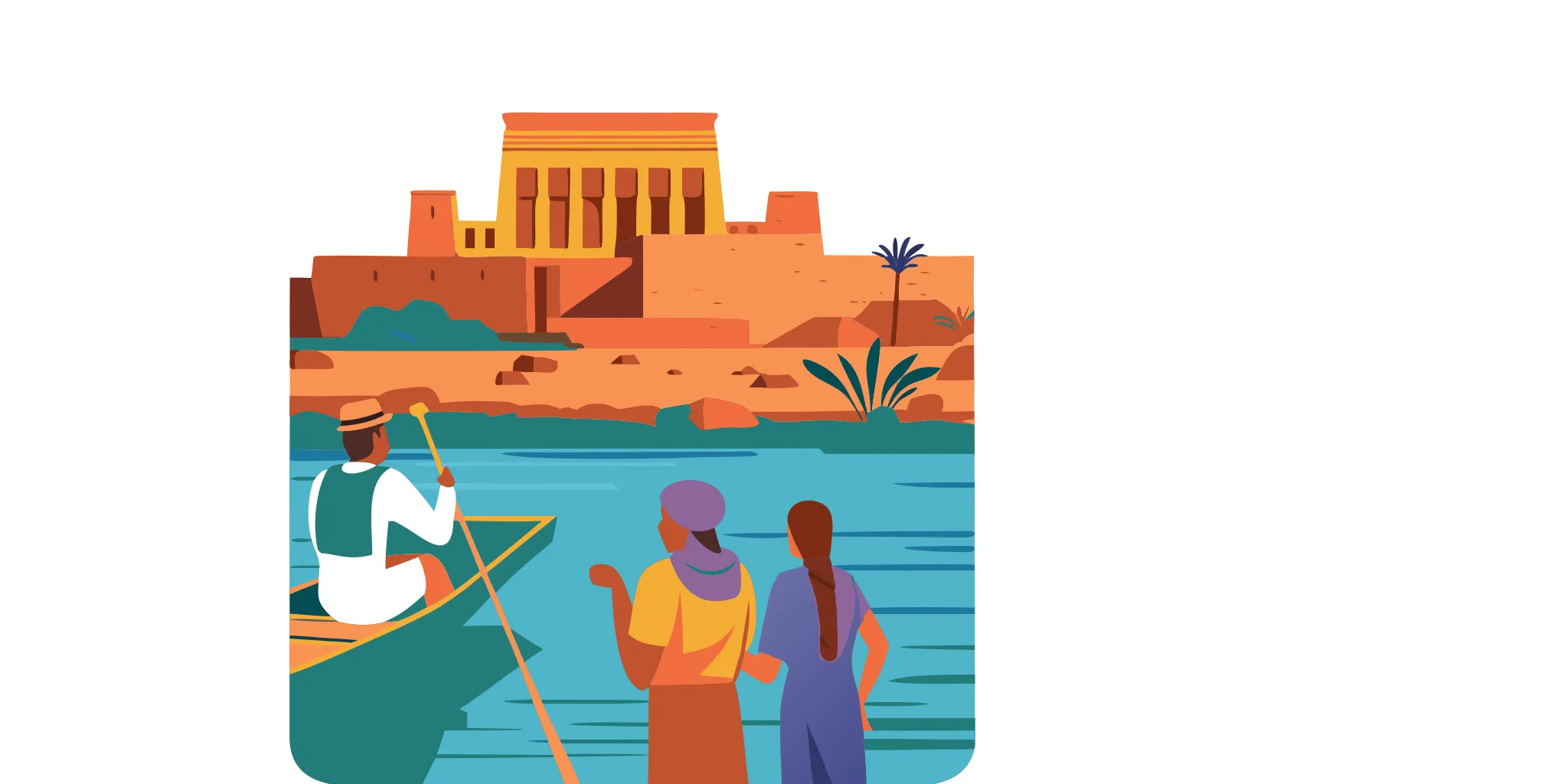
A Nile cruise can help create that balance. Instead of changing hotels after each visit, travellers return to the same cabin while the scenery moves past. Time on board offers a calm break between temples, tombs and riverside towns. Read about Approach Tours’ style of cruising to understand how a river itinerary can shape the experience.
Planned travel between sites can also make each day easier to follow. Travellers know where they are going, when they will eat and what comes next. That steady rhythm leaves more energy for the sights themselves.
The right pace will still differ from one traveller to another. Some ancient sites have steps, uneven ground, limited shade or long walks from the coach. Before booking, travellers should ask for honest details about walking time, stairs and how often they can sit.
Local context and practical support
Egypt’s most famous sites can be hard to understand without context. A local guide can explain what travellers are seeing and link each place to the wider story. That makes a first visit richer without asking guests to research every stop in advance.
Guided Egypt tours for seniors also offer a familiar point of contact when plans change or questions come up. Tour staff can explain the day’s schedule, confirm meeting points and help with common logistics. This support can ease uncertainty, but it does not replace personal medical planning or mobility aids.
Fit matters more than a label. Travellers should compare the daily pace, transport, hotel layout and site conditions with their own needs. Clear answers before departure help them choose a tour that offers both confidence and room to enjoy Egypt.
How to judge the pace before you book
A tour can be labelled relaxed yet still pack several demanding visits into one day. Before booking Egypt tours for seniors, look past the number of nights. Check what happens between breakfast and dinner. The right pace leaves enough time to enjoy each temple, tomb and market without rushing to keep up. Comparing all-inclusive tours for Canadian seniors can also clarify which details matter most.
The details behind a daily itinerary
Ask for a day-by-day plan with travel times, walking notes and start times. A short description may hide long coach rides or several hours on foot. Also review the CDC’s Egypt travel guidance while planning. It can help you prepare practical health questions for your doctor and tour operator.
Read each day as a full sequence, including transfers between sites. Three short visits can still feel tiring when each one means leaving the coach and crossing rough ground. Ask whether toilets, shade and seats are easy to reach during each stop. These details often matter more than the site’s stated visit time.
- What time does each day begin and end? Ask for the earliest start and latest return, not just an average. A sunrise visit may require leaving the hotel before breakfast. Check whether the following afternoon allows time to rest.
- How much walking is planned each day? Request an estimate in time and distance. Then ask whether the walking comes in short stretches or one long visit. Ninety minutes with shaded stops may suit you better than a shorter walk in full sun.
- Will there be steps or uneven ground? Ask about stairs, steep paths, loose sand and rough stone at every major stop. Find out whether handrails or lifts are available. At a large temple complex, ask if the coach can stop near the entrance.
- Can I skip a visit or take a break? Confirm whether you may stay at the hotel, remain on the coach or meet the group later. Ask who needs to know. A free choice is most useful when the meeting point and transport plan are clear.
- Where is rest built into the tour? Look for quiet afternoons, later mornings and unhurried meals between busy days. A Nile cruise stay may offer a slower base, but shore visits can still start early. Ask how often the group changes hotels.
Your own comfortable pace
Use a normal week at home as your benchmark. If two active mornings in a row leave you tired, do not assume a vacation will feel easier. Tell the tour operator how long you can walk, whether stairs are hard and what type of rest helps.
Think about recovery as well as activity. You may manage a long temple visit but need a quiet hour before dinner. Heat, crowds and repeated coach steps can also add effort. Share these concerns before booking so the tour operator can explain which days may be hardest.
Clear answers before booking
Good answers should be specific enough to picture the day. Listen for times, distances, surfaces and real options instead of broad promises about a gentle pace. If details are unclear, ask for notes from the local guide or a recent traveller. That extra check can prevent an exciting itinerary from becoming an exhausting one.
Are Nile cruises appropriate for seniors?
A Nile cruise can suit many older travellers, but the ship and daily plan matter more than age alone. Cruising lets you unpack once while moving between several historic sites. It can also offer a calm break between busy shore visits. Still, do not assume that every vessel or excursion is accessible.
Life on board
Ask where the cabin sits before you book. A cabin near the restaurant and lounge can reduce walking, while one away from evening music may support better sleep. Check whether the vessel has a lift and which decks it serves. Some lifts may not reach the sun deck or every cabin level.
Cabin details also deserve a close look. Ask about shower steps, grab bars, floor space and the distance from the bed to the bathroom. Confirm whether staff can store mobility aids safely. These practical checks help travellers compare Nile cruises within broader Egypt tours for seniors.
Boarding and docking conditions
Getting on and off can be the hardest part of a cruise day. Vessels may dock beside one another, so travellers might cross through other boats to reach shore. Gangways can be narrow or steep. Water levels and docking spots can also change the angle.
Ask the tour operator how many vessels travellers may need to cross at each stop. Confirm whether gangways have handrails and whether crew members can assist. Also ask about stairs between the dock and the coach. A lift on board does not remove every barrier ashore.
Shore excursions and personal fit
Many cruise itineraries include walks through temples, uneven ground and exposed outdoor areas. Before booking, request the expected walking time and number of steps for each visit. Ask whether a traveller can skip an excursion or return to the ship early. A clear answer is more useful than a broad claim that a cruise is senior-friendly.
- Confirm lift access, cabin location and bathroom layout.
- Ask about gangways, railings, stairs and docking arrangements.
- Review walking distances, surfaces and rest stops for each excursion.
- Check whether mobility aids can travel on the coach and ship.
- Discuss medical needs with a clinician before travel.
The CDC guidance for older travellers advises discussing health concerns and medicines with a healthcare provider before a trip. Share any mobility limits with the tour operator too. The right cruise is one whose cabin, boarding process and shore plan match the traveller’s needs.
Wondering whether the pace and support fit you? Book a call with Approach Tours to discuss your first Egypt tour.
The guides and support that shape your experience
On Egypt tours for seniors, the people travelling with you can shape how each temple, tomb and city comes to life. Clear roles also make it easier to know whom to ask when plans change or questions arise.
Local knowledge at each site
National and local guides provide the historical and cultural context behind Egypt’s landmarks. They can explain how a carved scene fits into a wider story, then answer questions that spark your interest.
This interpretation adds depth without turning each visit into a lecture. A skilled guide can also point out key details, set expectations for the site and explain the route before the group begins.
The Group Guru’s people-first role
The Approach Tours Group Guru focuses on the traveller experience, group cohesion and clear communication. This familiar person helps the group stay connected and shares useful details as the tour unfolds.
The Group Guru does not replace the national or local guide. Nor does this role replace medical professionals, on-site staff or the teams responsible for tour operations. Travellers should review the CDC’s accessible travel guidance and discuss health needs with a qualified professional before departure.
| Role | Main focus | Good questions to ask |
|---|---|---|
| National guide | Egypt-wide history and cultural context | How does this site fit into Egypt’s story? |
| Local guide | Site details and local insight | What should I notice here? |
| Group Guru | Group cohesion and communication | What does the group need to know? |
| Medical or operations team | Health care or tour logistics | Who can handle this specific need? |
Support through clear communication
Good support often begins before a busy day. The team can outline the schedule, describe walking conditions and share where the group will meet. That information helps travellers prepare and ask focused questions.
During the tour, speak up early if you need clarity, a place to sit or help finding the right contact. The relevant team member can then explain the available options without blurring professional roles.
Before booking with Approach Tours, share any mobility concerns and ask what support applies to the planned itinerary. A clear conversation helps everyone understand the tour’s pace, the guide’s role and the limits of on-tour support.
How can senior travellers prepare for Egypt’s heat?
Egypt’s sun and dry heat can make a full sightseeing day tiring. Good preparation starts before departure, especially for senior travellers with health concerns or limited stamina. Choose Egypt tours for seniors that allow time for breaks, shade and a slower pace.
Plan around the heat
Ask the tour operator when outdoor visits take place and how long each stop lasts. Early starts may make exposed sites more comfortable. Check the forecast before each outing, then adjust clothing, water and rest plans with your guide.
Build some flexibility into the day. A quiet break during the hottest part of the afternoon can help preserve energy for later activities. If you feel unwell, tell your Group Guru or guide at once rather than pushing through the schedule.
Pack for shade and hydration
Light, loose clothing can help air move around your skin while still providing sun coverage. Bring a broad-brimmed hat, sunglasses and sunscreen. Comfortable, breathable walking shoes are also useful on hot stone paths and sandy ground.
- Carry a refillable water bottle and drink at regular intervals.
- Keep a small amount of water close during coach rides and site visits.
- Choose light layers that cover your shoulders and arms.
- Pack a cooling cloth or small fan if you find either helpful.
- Rest in shade whenever your body needs a pause.
Do not wait until thirst becomes strong before taking a drink. The CDC’s heat guidance lists heavy sweating, dizziness, nausea and weakness among signs of heat illness. Move to a cooler place and seek help if symptoms appear.
Discuss personal health needs
Heat affects each traveller differently. Age, mobility, health conditions and medicines can change how your body handles hot weather. Speak with a healthcare professional before travelling if you have questions about hydration, sun exposure or safe activity levels.
Ask how your medicines should be stored and whether heat may affect them. Keep needed medicine in your day bag, along with written details of your health needs. Never change a medicine or fluid plan without personal medical advice.
Seasonal planning matters too. Compare likely weather across your possible travel dates, then consider your comfort level and preferred pace. A well-planned tour leaves room to enjoy Egypt’s temples, tombs and Nile views without treating every stop as a test of endurance.
What accessibility expectations should you discuss?
Egypt tours for seniors can include ancient sites, modern hotels, coach travel and time on the Nile. Yet accessibility may change from one stop to the next. Before booking, discuss what you can manage comfortably and what kind of help you may need.
Your daily mobility needs
Be clear about how far you can walk, how long you can stand and whether stairs are difficult. Mention any cane, walker or wheelchair you plan to bring. Also explain whether you can board a coach without a lift or climb steps with a handrail.
This is practical planning, not a test of fitness. The CDC guidance for travellers with disabilities recommends discussing your needs with travel providers before departure. Share enough detail for the tour operator to check each part of the plan.
- How far can you walk on level ground without a rest?
- Can you manage uneven stone, sand or sloped paths?
- Do you need a step-free room, walk-in shower or lift?
- Can you transfer into a coach seat or river boat?
Steps, surfaces and site access
Temples and tombs can involve stairs, narrow entrances, low ceilings and rough ground. Some routes may have limited shade or few places to sit. Ask for the expected walking time and surface at each major visit. Do not accept a broad promise of easy access.
Hotels also need a close look. Confirm whether the lift reaches every floor. Check for steps between the entrance, room, dining area and coach pickup point. For bathrooms, ask about shower access, grab bars and the space needed for your mobility aid.
Coaches, river boats and available help
A modern coach may still require several steep steps. Ask about handrails, door width and storage for mobility aids. River boats can have gangways that shift with the water level, plus steps between decks. Check whether a lift serves every deck and whether it works during sailing.
Ask who can provide help and what that help includes. A guide or crew member may offer an arm, but they may not be able to lift a traveller. If you need hands-on support, ask whether a travel companion or paid assistant is required.
Request written answers for the sites and services that matter most. Conditions can change, so treat each answer as a planning detail rather than a guarantee. A clear plan helps you decide which visits suit you and where an alternate activity may be wiser.
A practical first-time Egypt preparation checklist
Good preparation makes busy travel days easier and leaves more energy for Egypt’s temples, markets and museums. Start this checklist early, then review it again one week before departure. Approach Tours’ all-inclusive packages guide can help you compare inclusions, while its guide to all-inclusive versus independent travel for seniors explains the trade-offs.
Documents and health planning
Keep paper copies of key documents apart from the originals. Save digital copies where a trusted person at home can reach them if needed.
- Check your documents. Confirm your passport, entry documents and tour details well before departure. Review the Government of Canada’s Egypt travel advice again shortly before you leave.
- Arrange travel insurance. Choose coverage that fits your health needs and planned activities. Carry the policy number and the insurer’s emergency contact details.
- Organize prescriptions. Pack enough medicine for the full tour, plus a small buffer for delays. Keep prescriptions in their original labelled packages.
- Choose supportive footwear. Bring broken-in walking shoes with good grip for stone paths, steps and uneven ground. Pack a second comfortable pair in case one gets wet.
- Build light layers. Choose breathable shirts, loose trousers and a light outer layer for cool mornings or air-conditioned spaces. Add modest clothing for visits to religious sites.
- Prepare for the sun. Pack a wide-brimmed hat, sunglasses, sunscreen and a refillable water bottle. A small folding fan can also help during outdoor visits.
- Set up your carry-on. Include medicine, documents, glasses, chargers and one change of clothes. Add a few comfort items, such as tissues and a light scarf.
A carry-on that covers the first day
Checked bags can be delayed, so your carry-on should support one full day without them. Keep essential medicine with you, not in checked luggage.
Place documents in one easy-to-reach pouch, but do not leave it unattended. A printed itinerary and hotel details can help when your phone has no signal.
A final comfort check
Try on every walking outfit before packing. Make sure shoes feel steady, layers work together and your day bag sits well when full.
Before booking Egypt tours for seniors, share mobility, food and health needs with the tour operator. Clear details help the team explain the pace and any demanding visits before departure.
If you are considering travelling on your own, read Approach Tours’ perspective on solo retiree travel. You can also discover all Approach Tours destinations before deciding which tour feels right.
Frequently Asked Questions
What makes an Egypt tour senior-friendly?
A senior-friendly Egypt tour balances landmark visits with rest, air-conditioned coach travel and clear daily expectations. Look for manageable walking, fewer rushed stops and guides who can explain terrain before each visit. Ask about stairs, uneven ground, washroom access and boarding arrangements before booking. A senior-friendly label does not guarantee step-free access at ancient sites.
Are Nile cruises appropriate for seniors?
A Nile cruise can reduce repeated hotel changes while linking major sites near Luxor and Aswan. However, ships may have stairs, narrow gangways and uneven shore landings. Excursions can also start early and involve walking in heat. Before booking, ask whether the vessel has a lift, which decks it serves and how staff assist with boarding.
How do Egypt tour guides accommodate mobility issues?
Guides can help by describing walking distances, terrain and stairs before an outing, then allowing extra time where the schedule permits. They may also coordinate closer drop-off points or suitable alternatives when available. Ancient sites are not uniformly accessible, so travellers should share mobility needs before booking and confirm arrangements for each planned visit.
What precautions should seniors take for the heat in Egypt?
Older travellers should discuss heat and health concerns with a medical professional before departure. In Egypt, carry water, wear a hat and light clothing and use sun protection. Plan demanding visits for cooler hours, take shade breaks and tell the guide promptly if you feel unwell. Travellers should also confirm how medications must be stored during long touring days.
What support is included in senior-focused Egypt tours?
Included support differs by tour, so review the itinerary and terms rather than relying on a senior-focused label. Confirm whether airport assistance, luggage handling, domestic flights, meals, tips and excursion transport are included. Also ask who assists during the tour, how emergencies are handled and whether optional activities require extra walking or separate payment.
Ready to discover Egypt and the Nile together?
Waiting too long can leave less time to compare tour dates, ask practical questions and prepare at a comfortable pace. Starting now gives you room to study the itinerary, understand each day and decide whether the tour fits your travel preferences. A clear decision also lets you spend more time looking forward to Egypt’s temples, Nile views and shared moments with fellow travellers.
Ready to make your first Egypt visit easier to plan? Discover Approach Tours’ Egypt tour to review the tour details, see what is included and find the departure date that works for you. Contact the Approach Tours team early so you have time to ask questions and make a well-informed choice.