A Beginner's Guide: The Samurai Lifestyle
Walking in the Footsteps of the Samurai
Swords, scrolls, and silent discipline — the samurai are among the most enduring symbols of Japan. For centuries, these elite warriors shaped not only the battles and politics of the nation, but also its culture, values, and sense of identity. To this day, the influence of the samurai can be felt in everything from traditional arts to everyday etiquette.
But who were the samurai beyond the sword? Their world was far more than duels and duty. Samurai were poets, philosophers, strategists, and civil servants. They followed a strict code of honour known as Bushido, which emphasized loyalty, self-discipline, humility, and courage. These principles helped define Japanese society for generations, and they continue to echo in modern life.
In this blog, we’ll take you deep into the heart of the samurai lifestyle by exploring their origins, beliefs, daily routines, and the places across Japan where their presence still lingers. Whether you’re drawn to the legends or the discipline, the elegance or the edge, there’s something timeless in the way of the warrior, and it’s waiting for you to discover.

A Brief History of the Samurai in Japan:
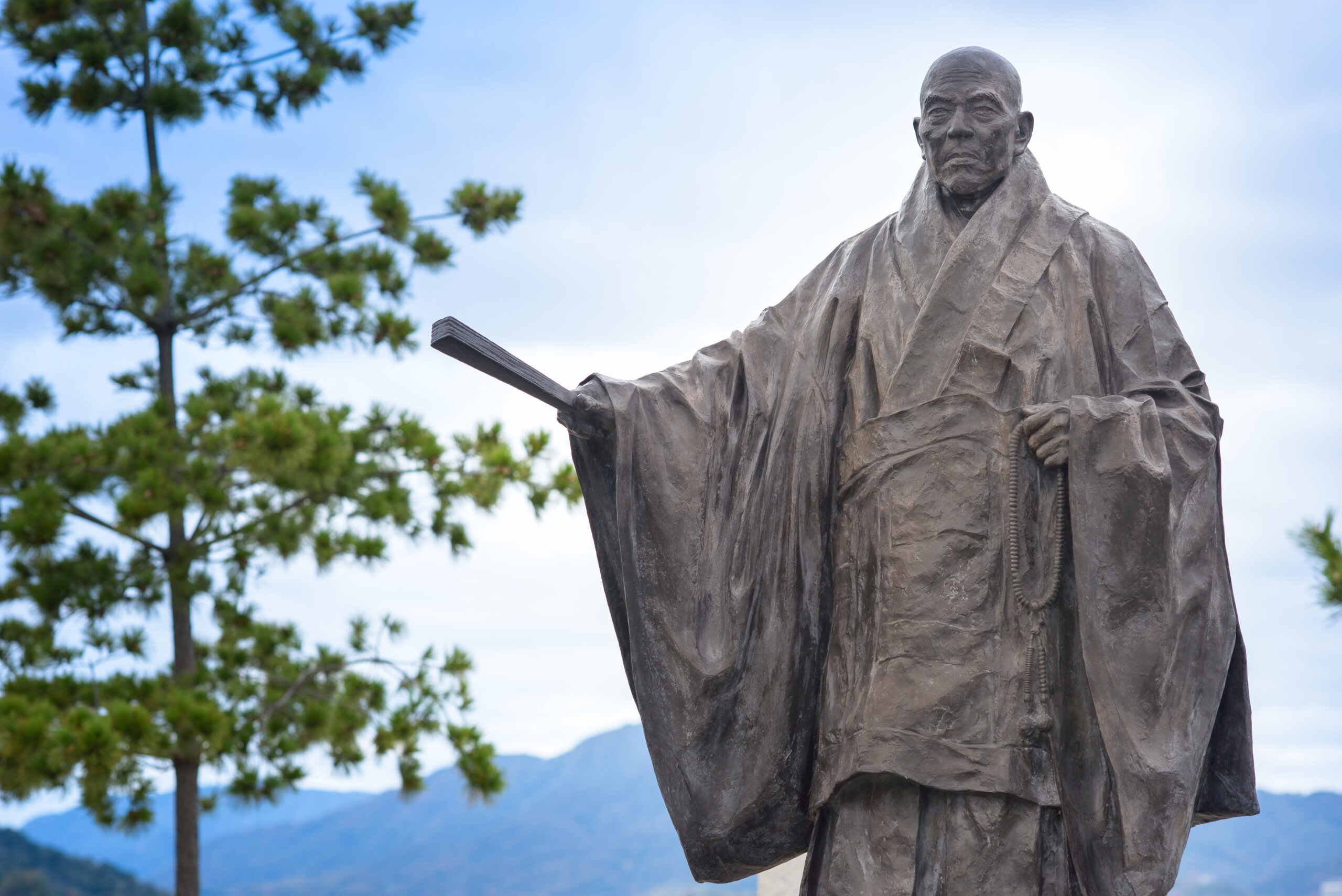
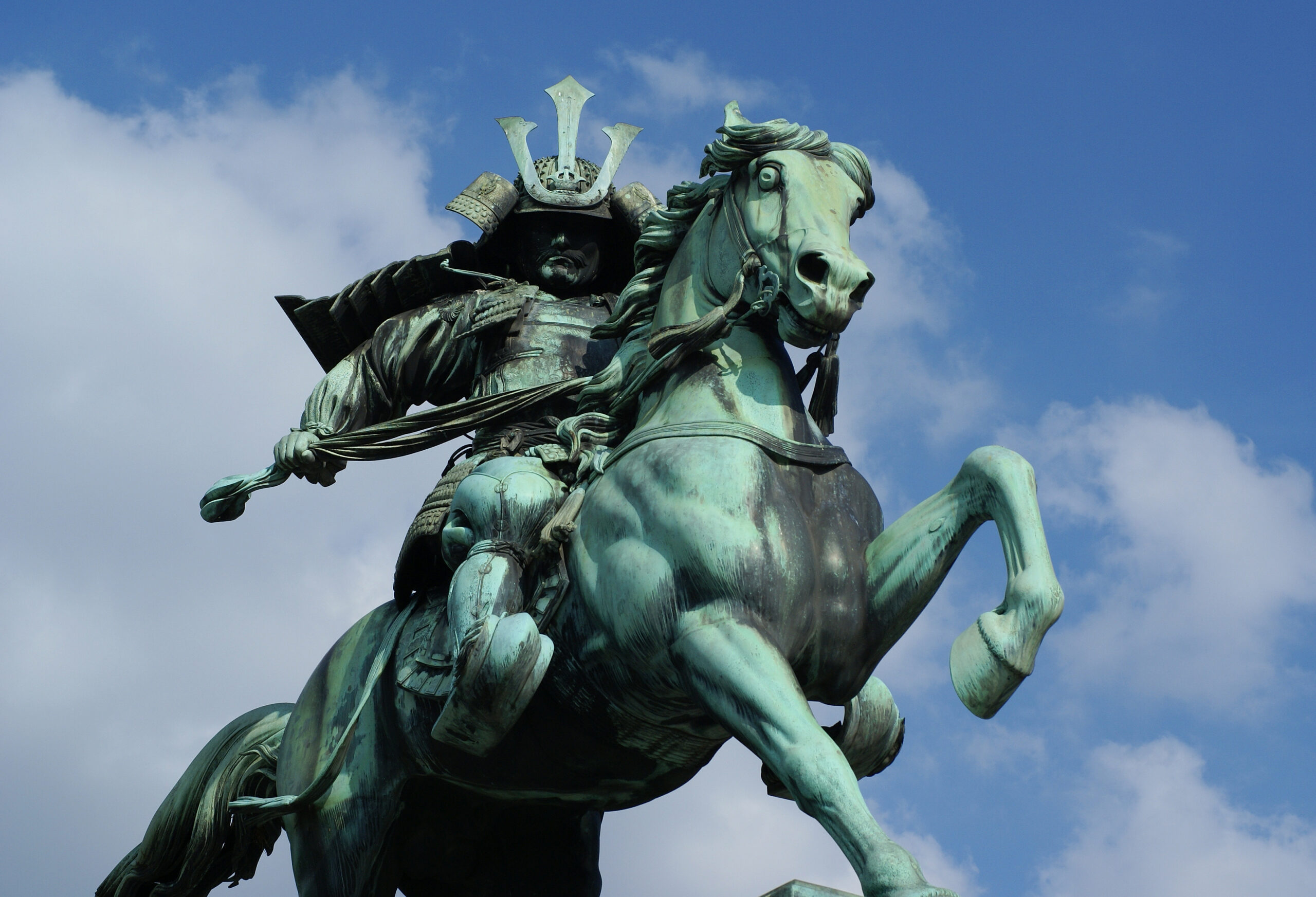
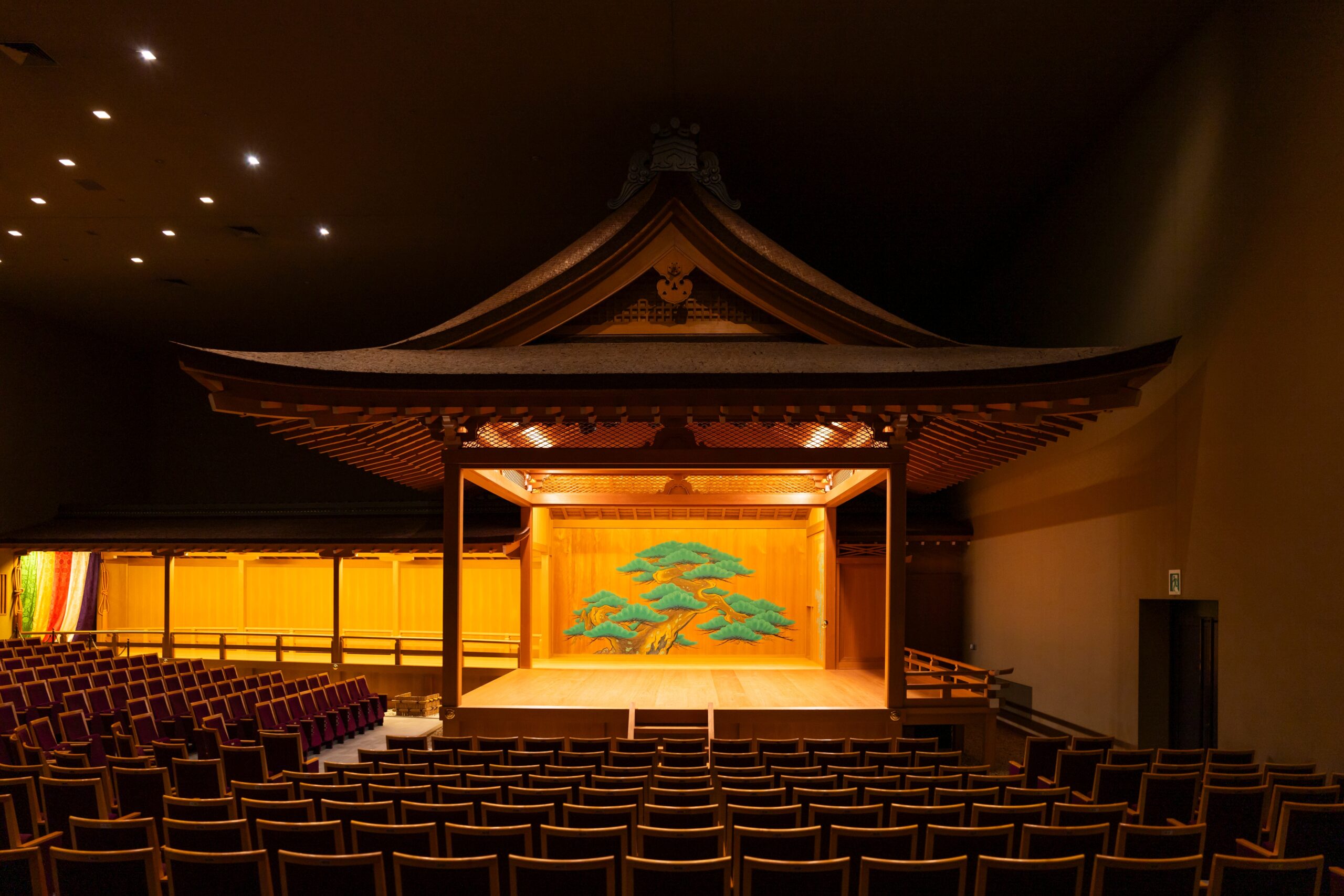
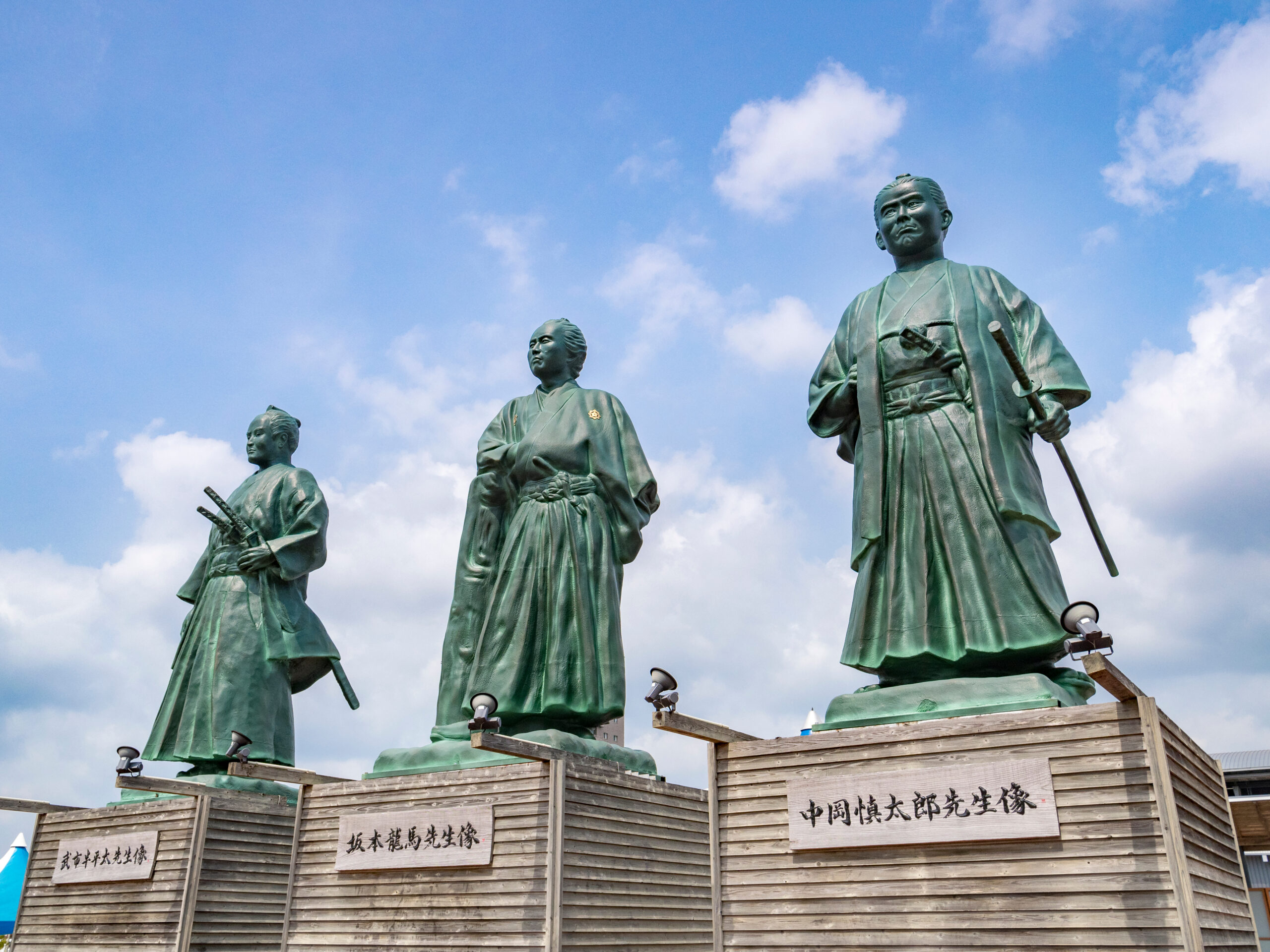
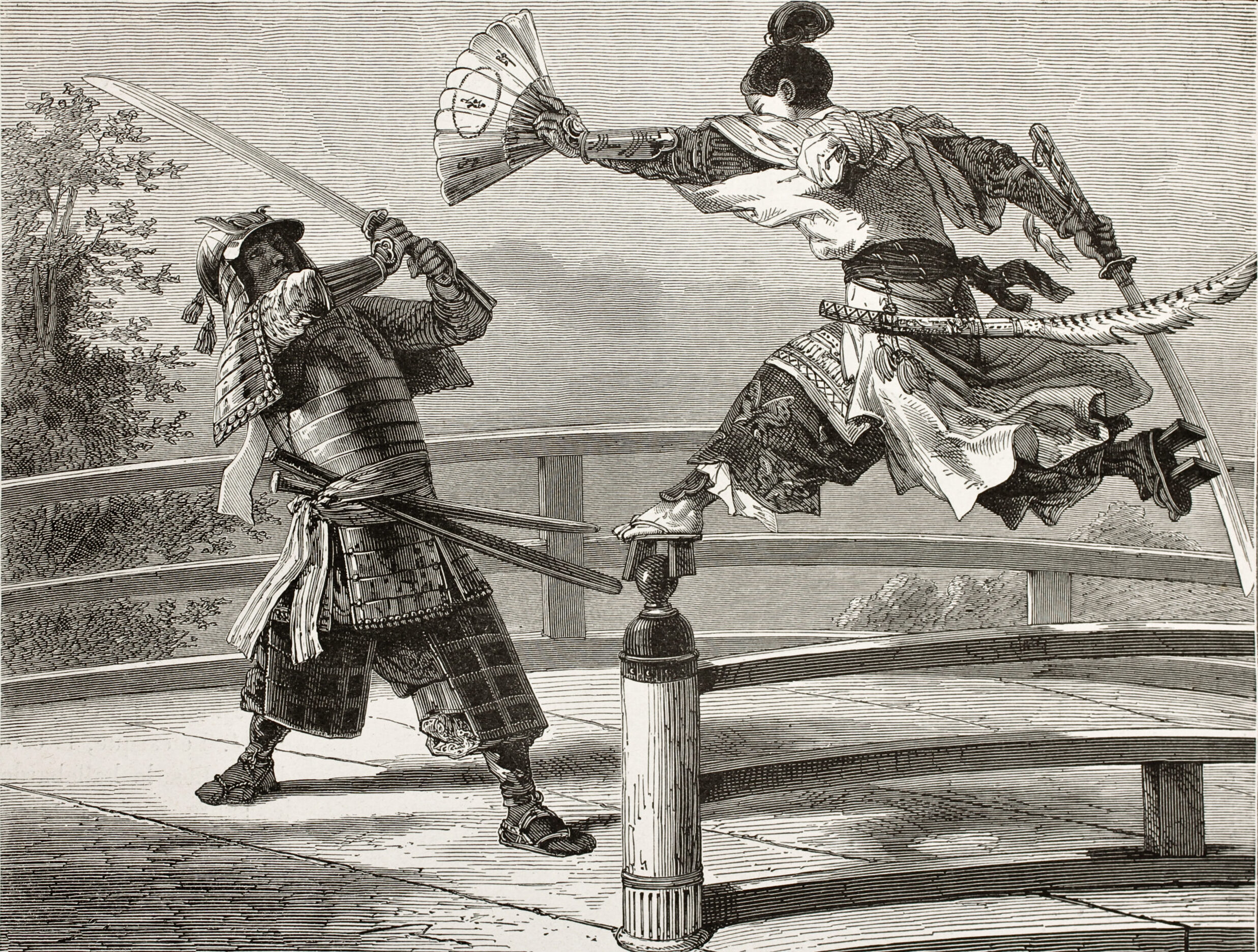
“Duty is heavier than a mountain; death is lighter than a feather.”
– Samurai proverb
The Samurai Code: What Was Bushido?
At the heart of the samurai lifestyle was Bushido, meaning “the way of the warrior.” More than just a set of battlefield rules, Bushido was a deeply held moral and spiritual code that guided samurai in every part of life, from how they fought to how they served, studied, and even died.
The key values of Bushido included:
-
Honour – A samurai’s reputation and integrity were everything. To live with honour meant to act with fairness, sincerity, and moral clarity, even under pressure.
-
Loyalty – Absolute devotion to one’s lord, clan, and family was essential. Betrayal was seen as a loss of one’s very identity.
-
Discipline – Whether in combat training, calligraphy, or the tea ceremony, self-control and mastery of the mind were just as important as strength.
-
Courage – Not the reckless kind, but quiet, steady bravery, even in the face of death. A samurai was expected to meet fear with grace.
Bushido was not officially written down until much later, but its principles shaped samurai conduct for centuries. Travellers often notice the influence of this code in the respectful way people interact, the humility and modesty in public behaviour, and the precision and care seen in everything from bowing etiquette to how a shopkeeper wraps a package.
Daily Life of a Samurai
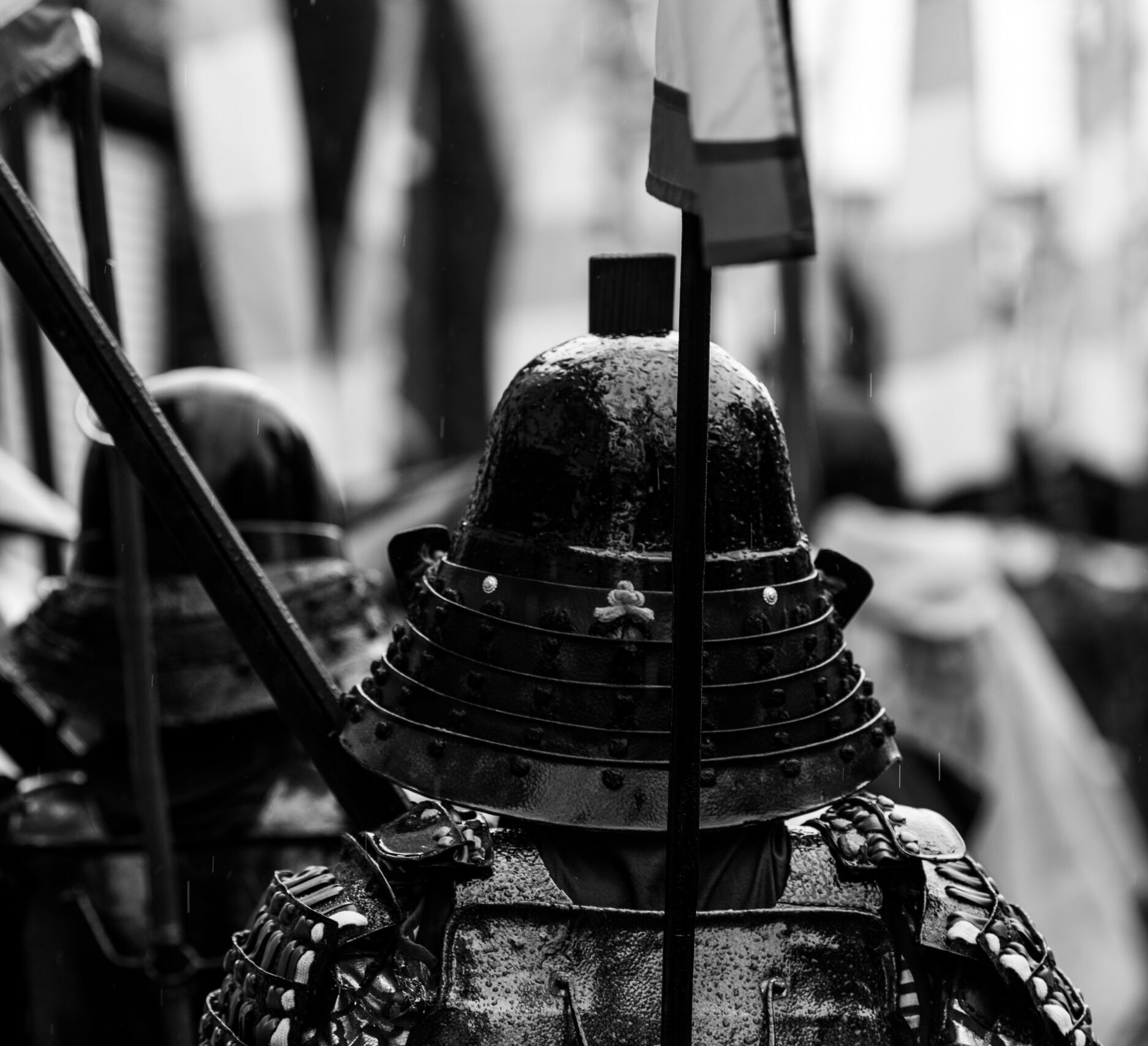
While the image of a samurai often conjures scenes of sword fights and battlefield glory, much of their daily life was grounded in discipline, refinement, and quiet routine. From a young age, samurai were expected to cultivate not just physical strength, but also intellectual and spiritual depth.
💪 Training the Body
Samurai children, especially sons of noble families, began their training as early as age five or six. They were schooled in the martial arts of the day, including:
Kenjutsu (swordsmanship)
Kyudo (archery)
Horseback riding
Jujutsu
🧠 Training the Mind
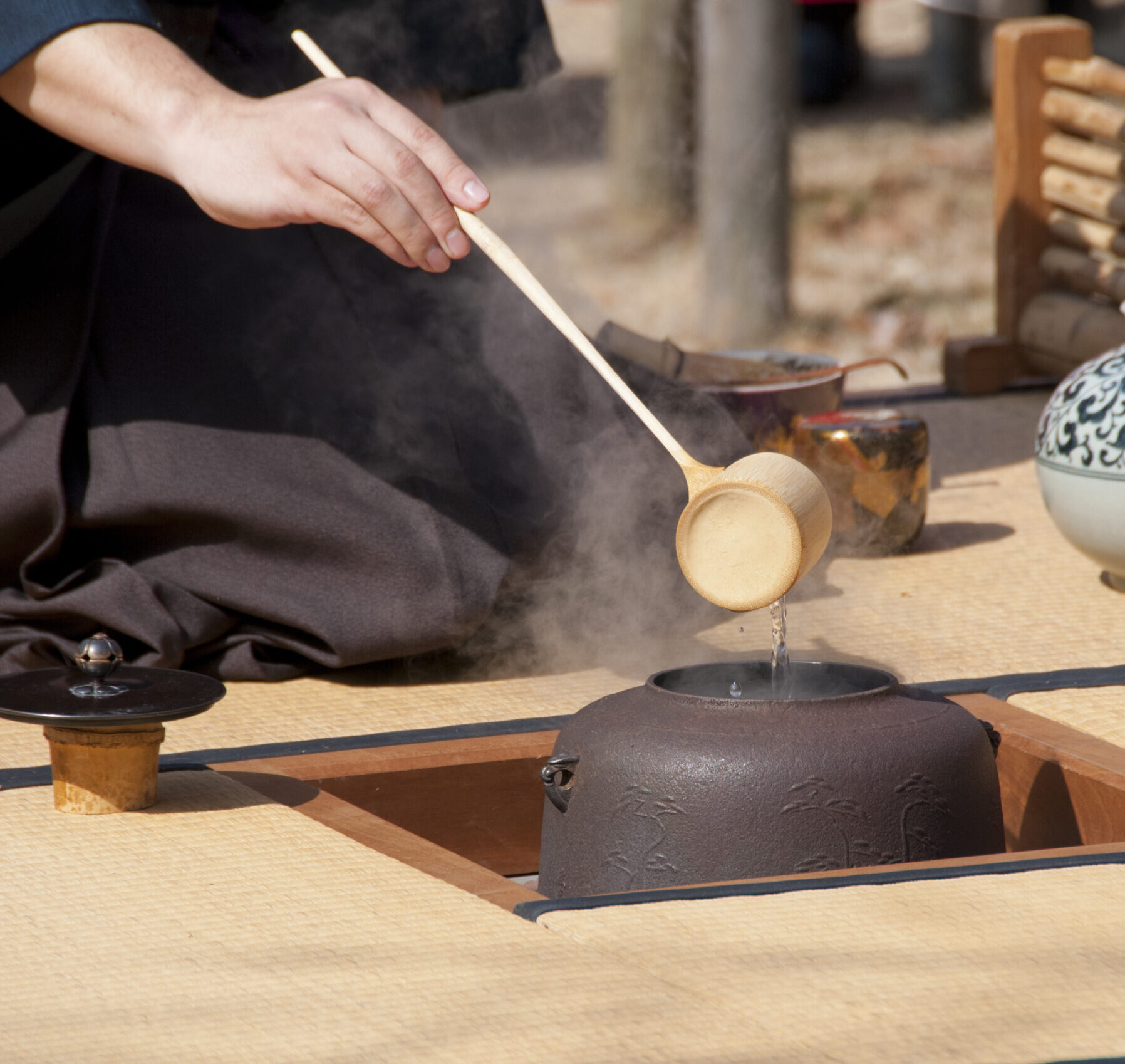
Equally important was the philosophical and artistic education that rounded out a samurai’s character. Many followed Zen Buddhism, which taught calmness, focus, and detachment from fear. A well-rounded samurai also studied poetry, calligraphy, and literature, and was expected to appreciate beauty and simplicity. Tea ceremonies became an important practice, symbolizing harmony, mindfulness, and respect.
Dressing with Dignity
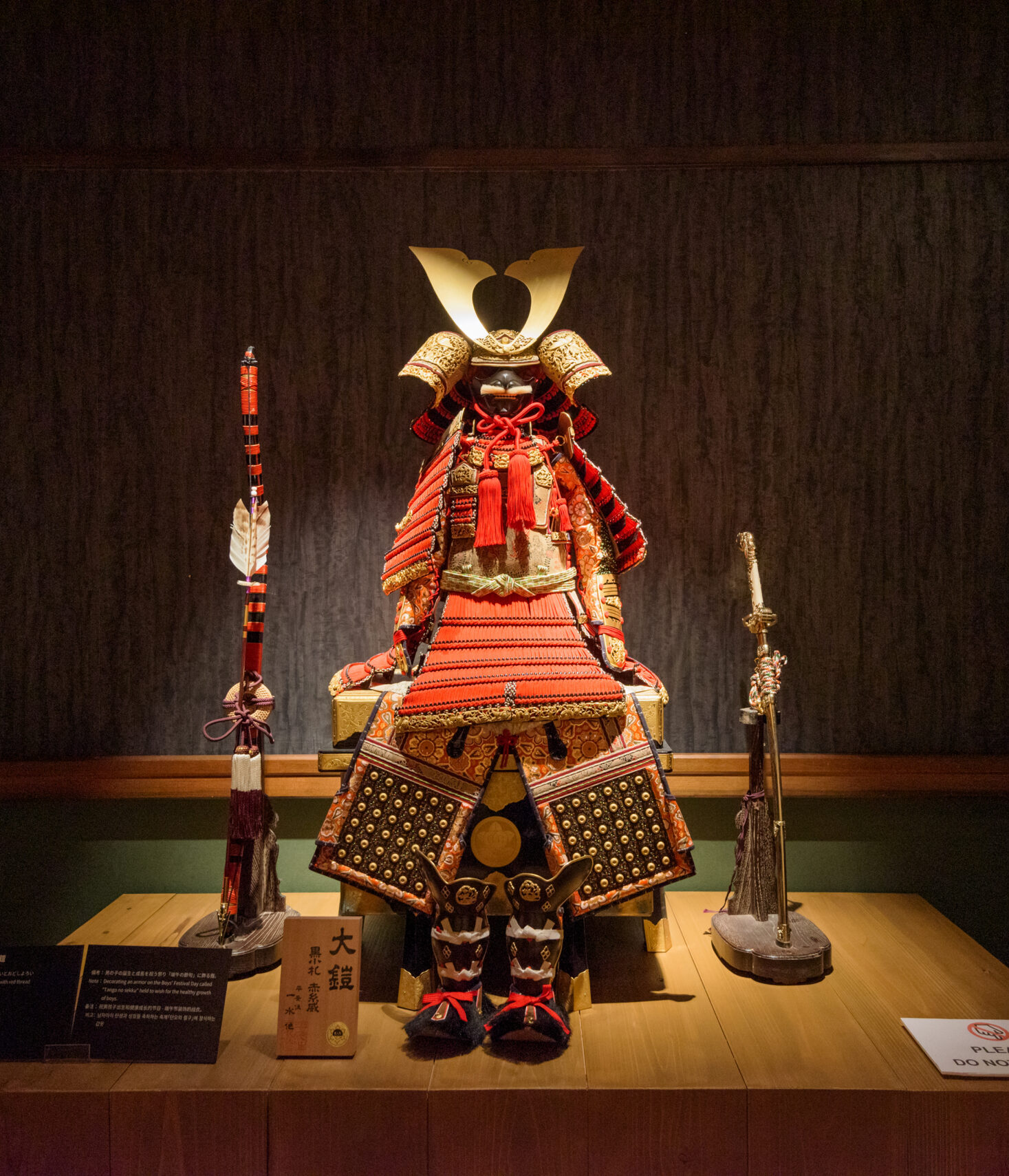
The clothing of the samurai were deeply tied to status, identity, and honour. What a samurai wore could tell you about his rank, role, and occasion, whether he was going to court, riding into battle, or conducting a tea ceremony.
In daily life, samurai typically wore a:
Kimono – A traditional robe made of silk or cotton, depending on the season and the wearer’s wealth.
Hakama – Wide, pleated trousers worn over the kimono, seen in formal settings or sword training.
Kataginu – A sleeveless vest with exaggerated, wing-like shoulders.
Perhaps the most iconic part of a samurai’s appearance was the paired swords:
Katana – The long sword, symbolizing the warrior’s soul.
Wakizashi – The shorter companion sword, often used indoors or in close combat.
Only samurai were legally allowed to carry both, making them a visible badge of class and duty. When entering a building, the katana was usually left at the entrance, while the wakizashi remained at the side for protection.
Armour included:
Kabuto – A decorative, sturdy helmet often featuring family crests or fearsome designs.
Menpo – A face guard or mask, sometimes stylized to intimidate opponents.
Kusazuri – Skirt-like plates protecting the hips and thighs.
Suneate and kote – Guards for the shins and arms.
On the battlefield, samurai wore elaborate and practical armour called o-yoroi (for mounted warriors) or do-maru (for foot soldiers).
To truly walk in the footsteps of the samurai, visit these destinations:
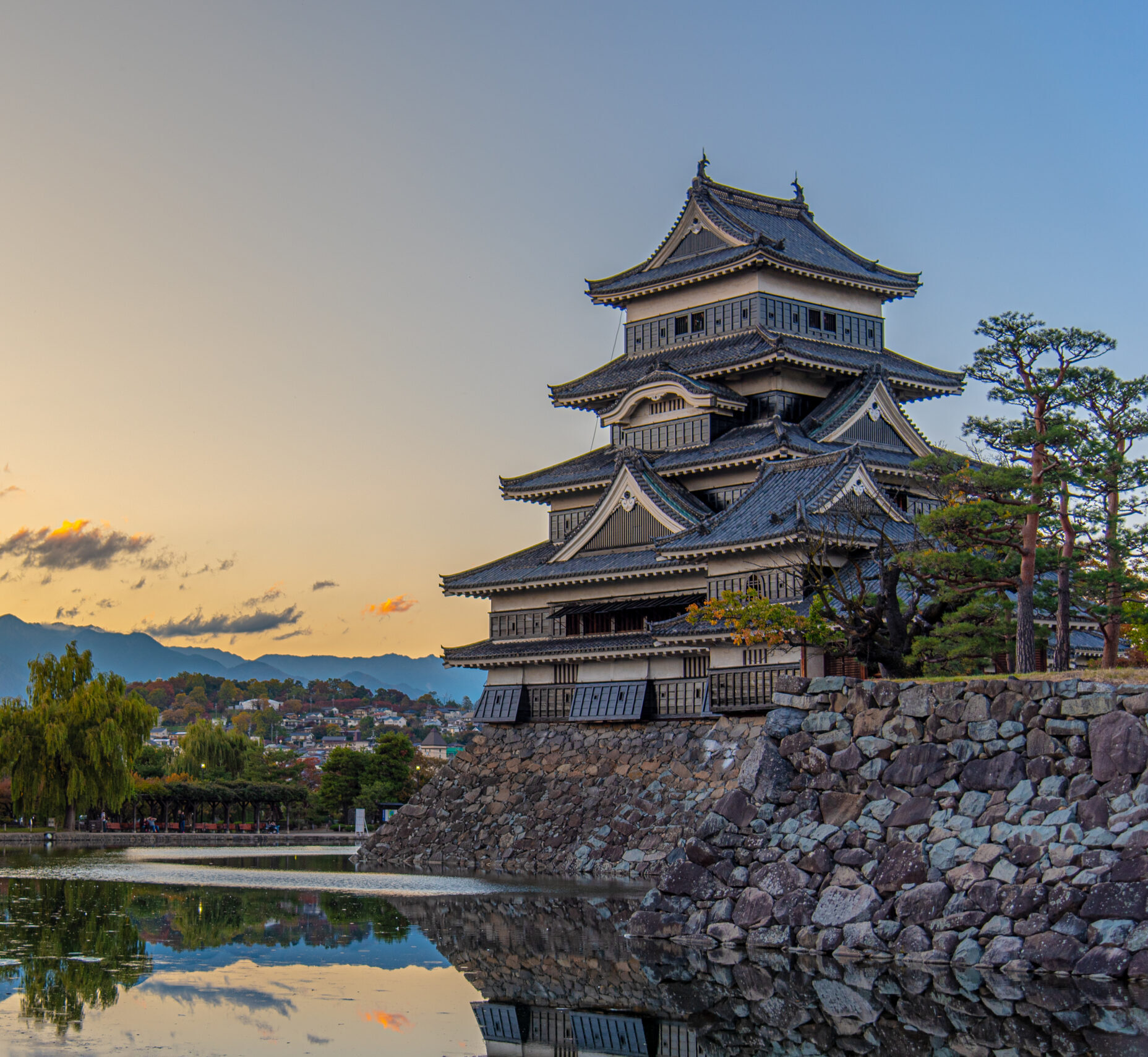
Matsumoto Castle
Known as the “Crow Castle” for its striking black exterior, Matsumoto Castle is one of Japan’s oldest and best-preserved original castles. Built in the late 16th century during the Sengoku (Warring States) period, it was a strategic stronghold for samurai defending the region. With its tall watchtowers, moon-viewing turret, and cleverly designed defences, the castle offers insight into the military genius and daily responsibilities of samurai who lived and served there. Walking its wooden corridors feels like stepping into their world of vigilance and honour.
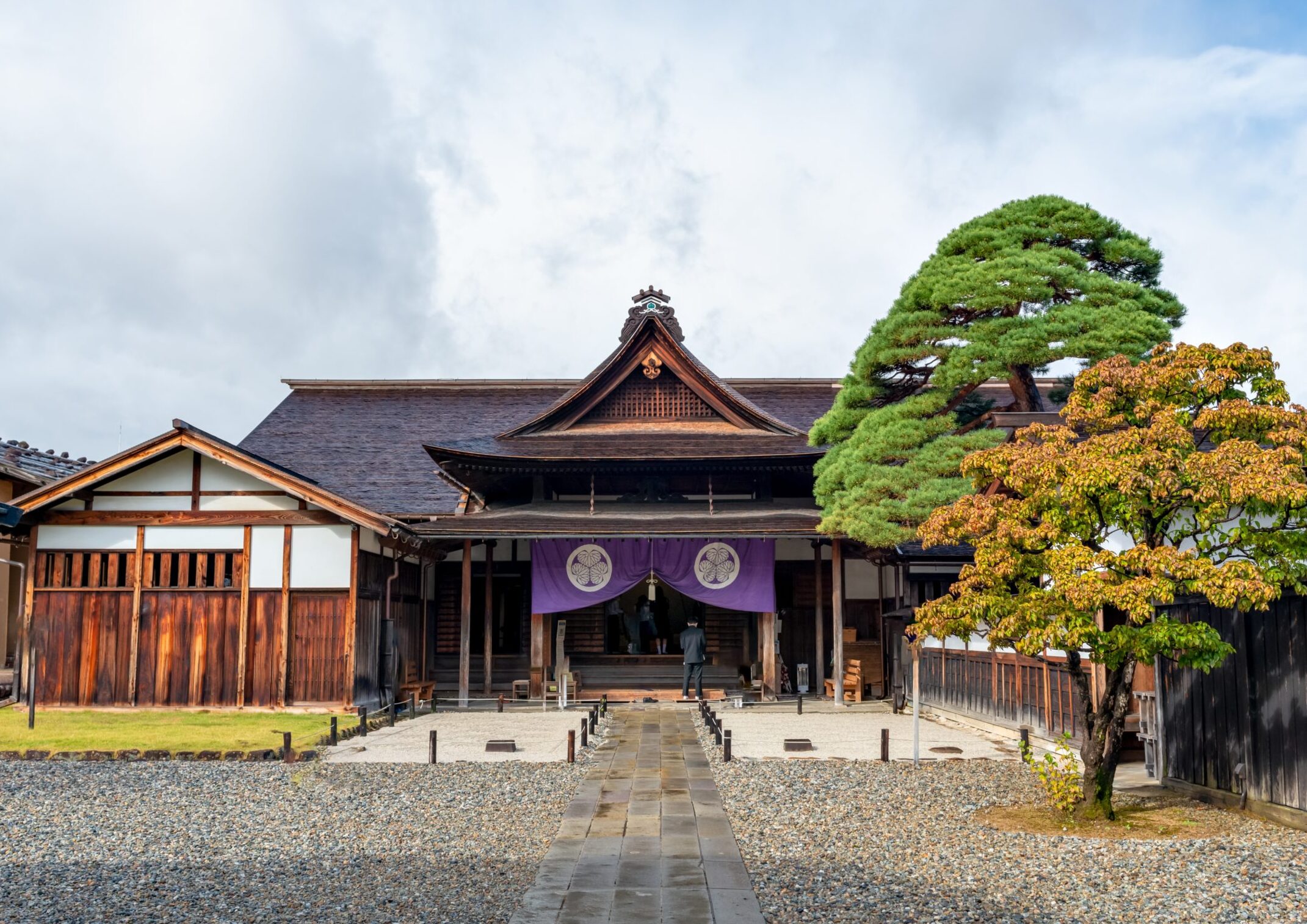
Takayama Jinya
During the peaceful Edo period, many samurai traded swords for scrolls, serving as administrators under the Tokugawa shogunate. Takayama Jinya, a former government outpost in the Hida region, is a rare surviving example of such a role. Here, samurai managed local affairs—collecting taxes, enforcing law, and keeping order. The building’s preserved offices, tatami rooms, and rice storerooms reflect the quieter, civil duties of the samurai class once the battlefield faded into history.
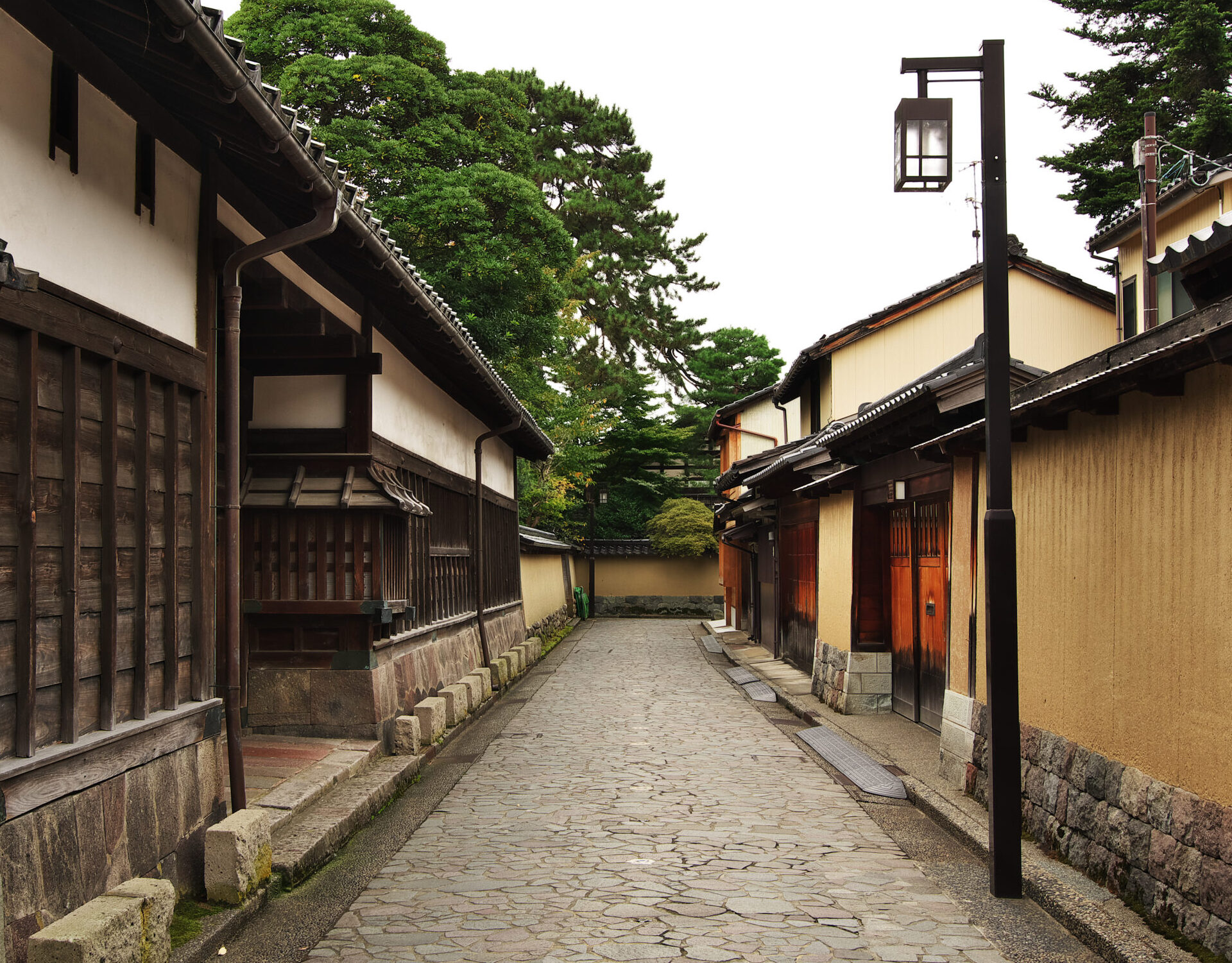
Nagamachi Samurai District
In Kanazawa, the Nagamachi district offers a beautifully preserved look at how middle- and high-ranking samurai lived. Tucked beneath the imposing Kanazawa Castle, this area features mud-plastered walls, stone lanes, and restored residences complete with tatami rooms, gardens, and armour displays. It’s a place where the samurai lifestyle comes to life—not as warriors on horseback, but as scholars, fathers, and citizens who followed a disciplined and honour-bound way of life in both war and peace.
Discover the samurai lifestyle for yourself on tour!
Timeless Japan
Time-honoured traditions blend with modern ingenuity in the land of cherry blossoms and stone gardens. Ancient temples cast shadows across neon-lit streets, while the Nozomi bullet train slices through the picturesque countryside. Watch golden pavilions sparkle against snow-capped Mount Fuji and let the haunting dawn prayers of Mount Koya’s monks transport you to another era. Run your fingers along Himeji Castle’s centuries-old walls, breathe in the steam of Hakone’s hot springs, and savour the complex umami of traditional sake, and fresh sushi. From Arashiyama’s crisp-scented bamboo forests to Kanazawa’s lantern-lit historic districts, each moment in Japan reveals how past and future dance in perfect harmony.
Departures: March, April & May 2026October 2026March & April 2027 (+$200)