Some of Portugal’s most memorable scenery unfolds slowly: vineyard-covered hills rise above the Douro River, while a traditional boat carries you past stone terraces and quiet villages. For Canadian travellers, this is a chance to experience wine country at an easy, unhurried pace rather than rushing between tasting rooms.
The best douro valley tours balance a scenic river cruise with visits to historic wine estates, guided tastings and time to appreciate the landscape. A small-group tour adds comfort and connection, with local insight, included logistics and a more personal way to experience Portugal’s famous valley.
Whether you are drawn by Port, table wines or the remarkable human-made terraces, the river provides a natural thread through the region. Before choosing how and when to sail, it helps to understand why these riverbanks have attracted wine lovers for centuries.
Explore Portugal with Approach Tours and see the Douro Valley for yourself
Why Do Wine Lovers Flock to the Douro Valley’s Riverbanks?
Along the Douro River, vineyards seem to rise directly from the water. Steep hills fold around the winding current, their slopes patterned with terraces that catch the light from morning mist to late afternoon gold. As you travel through the valley, you see more than a beautiful backdrop. You are looking at a working cultural landscape, shaped by generations of growers who coaxed vines from rugged terrain.
The Alto Douro Wine Region is recognized as a UNESCO World Heritage cultural landscape because of its long tradition of viticulture and the enduring mark of human cultivation. People have shaped these dramatic terraces for centuries, creating a scenery that feels both carefully composed and wonderfully wild. Stone walls, narrow vineyard paths and small quinta buildings follow the contours of the hills rather than trying to tame them. From the riverbank, the effect is especially striking: row after row of vines appears to climb toward the sky.
A wine region with a remarkable history
The Douro also holds a significant place in wine history. It is the world’s oldest demarcated wine region, established in 1756. The designation created a defined area for regulating production and protecting the reputation of wines made here. That history remains visible in the landscape, where old vineyards and traditional estates sit alongside modern winemaking facilities. A visit gives you the chance to understand how geography, cultivation and regional customs have worked together over time.
Port wine is central to the Douro’s identity, but it is only part of the story. The region also produces high-quality table wines, offering a broader taste of what its vineyards can achieve. Depending on the estate or tasting room you visit, you may encounter rich, fortified Port alongside elegant reds. As well as crisp whites and other wines that reflect the valley’s varied elevations and growing conditions. This range is one reason wine lovers return: each stop can reveal a different expression of the same remarkable landscape.
Seeing the terraces from the river
There is a special pleasure in experiencing the valley from the water. The river gives you time to notice details that can blur past on a road: a line of vines following a ridge. A farmhouse tucked into a fold of the hillside or the changing colours of the terraces as the boat rounds a bend. You can settle into the view without needing to navigate, allowing the scale and patience of the landscape to unfold around you.
For travellers considering douro valley tours, this combination of scenery, history and wine makes the region feel complete. You are not simply moving between tastings. You are entering a living wine country where every terrace carries evidence of human effort and every river bend offers another way to see Portugal.
What a Douro Valley River Cruise Feels Like Onboard
A Douro Valley river cruise gives you a changing view of Portugal’s wine country without asking you to rush from one viewpoint to the next. As the boat moves along the Douro, steep slopes rise from the water in long, carefully worked terraces. The scenery feels both dramatic and peaceful. You can settle into the rhythm of the river, watch the landscape unfold and listen as your guide explains how the valley’s vineyards and villages are connected.
On shorter excursions, the traditional Rabelo boat adds a distinctive sense of place. These boats are associated with the historic transport of wine along the Douro, and their low profile suits the intimate scale of the experience. From the deck, you may see stone walls, olive trees, whitewashed buildings and vineyard rows climbing slopes that seem almost too steep to cultivate. The view is not a backdrop you pass on the way to an attraction. It is part of the experience itself.
From the river to the quinta
A well-planned cruise usually connects the time on the water with time ashore. You might stop at a quinta, the traditional wine estate of the region, or visit a historic cellar in one of the valley’s wine towns. Guided visits often explain how grapes become wine before inviting you to taste both Port and table wines. That combination makes the experience more meaningful: you are not simply sampling a drink. You are learning how the landscape, local knowledge and production methods shape what is in your glass. For a broader look at tasting experiences, explore these Douro Valley wine tours.
Small-group river cruises make these moments feel personal. With fewer travellers around you, it is easier to ask questions, hear the guide and share the view without feeling lost in a crowd. You can take your time at a cellar, notice details in the vineyard terraces and enjoy conversation with fellow travellers who are equally curious about the region.
Choosing a day cruise or a longer sailing
A day trip from Porto can give you a satisfying introduction to the valley. The drive takes about one and a half hours. Followed by a Rabelo river cruise of roughly one hour from Pinhao, often paired with a quinta or cellar visit. It is a full day, but the river portion provides a welcome pause between activities.
A multi-day river cruise offers a different kind of ease. Instead of returning to Porto, you continue waking up beside the Douro and experience more of its villages, estates and river scenery at an unhurried pace. Whether you choose a day outing or a longer sailing, the best Douro Valley tours combine movement with time to pause, learn and savour the landscape.
Where Are the Best Wine-Tasting Stops in the Douro Valley?
A visit to a Douro quinta gives you a close-up view of the landscape behind the bottle. These estate wineries sit among steep vineyard terraces, where the river, stone walls and rows of vines create a setting that feels both grand and deeply personal. Rather than simply buying a bottle from a shop shelf, you are welcomed into the place where the wine is grown, made and shared.
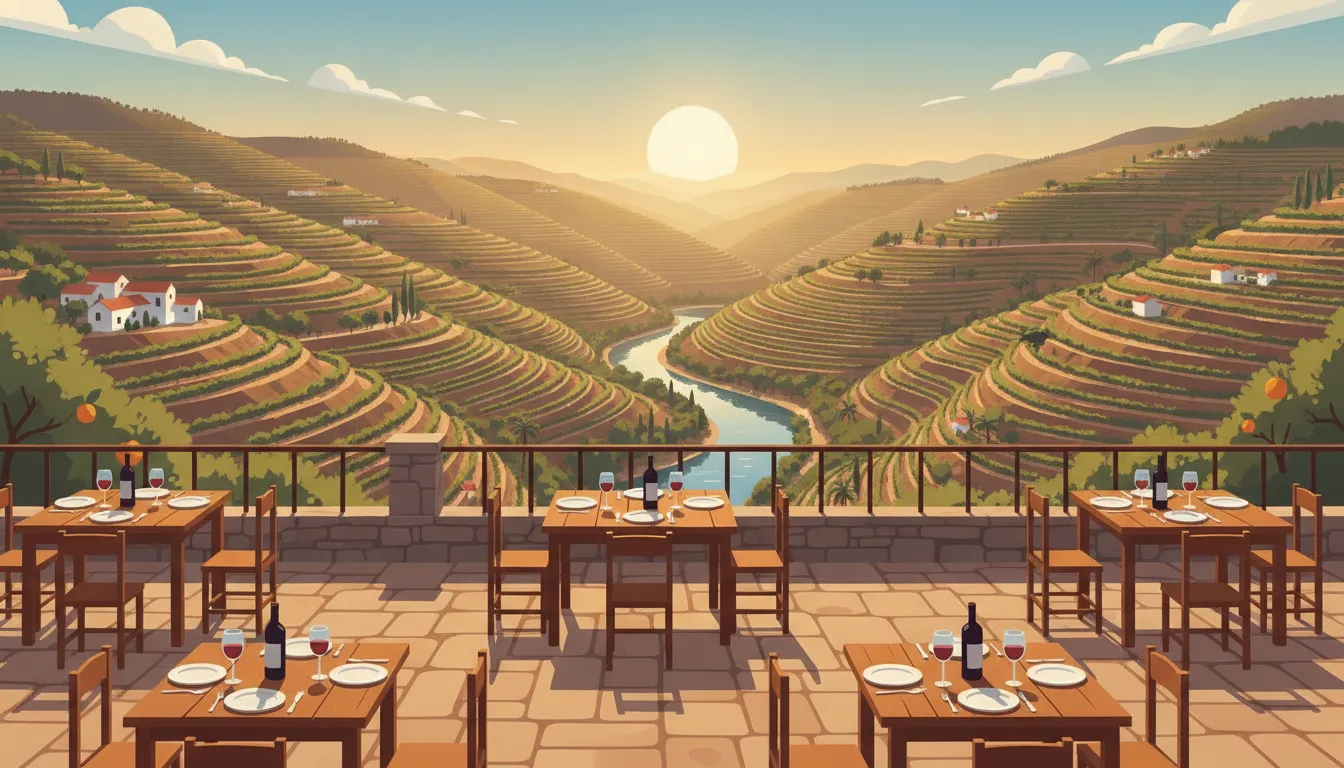
Inside a working wine estate
A typical quinta visit begins with a guided tour through historic cellars or other estate spaces. Your guide may explain how grapes move from the vineyard through production and ageing, connecting each step to the traditions that have shaped the Douro. This context makes the tasting more meaningful. You are not only comparing aromas and flavours, you are learning why the region’s climate, terrain and winemaking practices matter.
The Douro is especially rewarding because it produces both Port and high-quality table wines. Port may be the region’s best-known export, but it is only part of the story. At a tasting, you might explore the richness and sweetness of a Port alongside a dry red or white table wine. Sampling both styles helps you appreciate the range of the region rather than assuming every Douro wine belongs in the same category.
Quintas with history and a view
Some of the valley’s best-known estates include Quinta do Seixo and Quinta do Bonfim. Both are associated with the history of Douro wine and offer dramatic views across the valley. Looking out over the terraces after a cellar tour gives you a stronger sense of the work behind the scenery. The vineyards are not a painted backdrop. They are a living cultural landscape shaped by generations of cultivation.
That combination of learning, tasting and place is what makes a quinta stop feel special. You may sit on a shaded terrace, listen as a local guide describes the estate and then lift a glass while the river winds below. The pace is unhurried, with room to ask questions and notice details that can disappear during a quick stop.
Why an estate tasting is worth your time
Souvenir-port shops can be convenient, but they rarely provide the same connection between the wine and its origin. A quinta visit gives you knowledgeable guidance, a clearer understanding of production and the chance to taste in an authentic setting. It also removes some of the guesswork. Instead of choosing a bottle based only on its label, you can learn what you enjoy and why.
If you want to explore the region through its vineyards, cellars and local traditions, consider Douro Valley wine tours that make these estate visits part of the experience. With the right itinerary, a tasting becomes more than a purchase. It becomes one of the most memorable afternoons of your Douro Valley tours.
A Classic Douro Valley Tour Itinerary, Step by Step
A well-planned day in the Douro Valley gives you several ways to appreciate the region without making the logistics feel like the main event. From Porto, a guided day tour usually lasts 8 to 10 hours and typically costs between $105 and $150 per person. The day moves from road to vineyard, table and river, with enough variety to make the long excursion feel unhurried.
- Leave Porto and follow the valley road. The drive from Porto takes about 1.5 hours. Rather than treating that time as a necessary transfer, a good itinerary uses the route to introduce the landscape and its history. Some tours include a short stop in a historic town such as Amarante. Giving you time to stretch your legs and see a different side of northern Portugal before the vineyards come into view.
- Visit a quinta and walk among the terraces. Your first winery or quinta visit brings the Douro’s wine culture to life. Walk through terraced vineyards, see how the steep slopes shape the work and learn how port is produced. This is also the natural time for a tasting, often including port and table wines. So the flavours have a clear connection to the place where they were made.
- Pause for a traditional Portuguese lunch. After the morning’s drive and walking, lunch is more than a meal between activities. Settle in for regional Portuguese dishes paired with local wine, ideally at a restaurant or estate with views across the valley. The scenery, flavours and slower pace create one of the day’s most memorable moments.
- Cruise from Pinhao on a Rabelo boat. Finish the core itinerary on the water with a scenic, one-hour river cruise from Pinhao. A Rabelo boat offers a fresh perspective on the vineyard terraces, as well as a calm window to take in the bends of the Douro. On a full day, this final movement feels restorative rather than rushed.
Small-group tours are the most popular option because they combine shared discovery with straightforward planning. You travel with other people, but the experience can still feel personal when the group is thoughtfully sized and the guide has room to answer questions. Transport, tastings, lunch and the cruise are coordinated for you, which is especially valuable on a full day away from Porto. If you are comparing formats, explore these Portugal travel packages for a broader view of how a Douro visit can fit into your trip.
A private tour offers more control. Private transport and a dedicated guide can make it easier to adjust the pace, linger at a quinta or tailor the day for a couple or family. The trade-off is usually a higher price. For travellers who prefer to set their own schedule, the DIY-by-train option follows the scenic Linha do Douro from Porto’s Sao Bento station to Pinhao. Where you can arrange a local boat ride and visit nearby quintas independently. It offers flexibility, but you will manage reservations, connections and timing yourself.
Choosing between tour styles
The right format depends on how you like to travel. How much planning you want to do yourself and whether you prefer shared company or a completely private day. This comparison can help you weigh the trade-offs.
| Tour style | Best for | What is included | Planning you manage |
|---|---|---|---|
| Small-group | Travellers who want shared discovery plus organised ease | Coach transport, guide, quinta visits, tastings, lunch, river cruise | Almost none; the group, guide and itinerary are coordinated |
| Private | Couples, families or travellers who want a flexible pace | Private transport, dedicated guide, customisable itinerary | More control but usually a higher price |
| DIY by train | Independent travellers comfortable with local logistics | You arrange your own train, boat and quinta bookings | Reservations, connections and timing yourself |
For most Canadian travellers, the small-group option strikes the best balance between personal connection and reassurance. You still experience the valley at a human pace, while transport, tastings, lunch and the cruise are looked after for you.
What Is the Best Time of Year to Sail the Douro Valley?
For most mature travellers, spring and autumn offer the ideal balance of comfortable weather, beautiful scenery and a calmer pace. The Douro Valley is rewarding throughout the year, but the season you choose can shape how much time you want to spend outdoors. How busy the river feels and what you notice in the vineyards.
Spring brings fresh colour and gentle days
In spring, the valley begins to feel vividly alive. The terraced hillsides take on fresh green tones, while the milder temperatures make it pleasant to move between a river cruise, a quinta visit and a leisurely lunch. This is an excellent season if you want to appreciate the landscape without the more intense heat of summer. Pack a light jacket for cooler mornings and keep an extra layer close for time on the water.
Spring also suits travellers who prefer to explore at an unhurried pace. You can linger over the changing scenery, listen to your guide’s stories and enjoy the views without feeling that every stop must be rushed indoors.
Autumn offers colour, atmosphere and mild weather
Autumn is another standout season for Douro Valley tours. The vineyards develop deeper shades as the growing season progresses, creating some of the most striking views of the year. The weather is generally pleasant for sightseeing, and the atmosphere can feel especially appealing after the busiest summer period.
Choose autumn if vineyard scenery is central to your experience and you enjoy a more atmospheric sense of place. The hillsides, river and stone estates seem to belong together, and the softer light can make a short cruise feel wonderfully unhurried.
Summer is warm, lively and popular
Summer brings warm days and the greenest terraces. It is a good choice if you prefer bright, energetic travel and want to spend plenty of time outside. The trade-off is demand. Cruises and tours frequently sell out in summer, so booking ahead is important, particularly if your dates are fixed or you want a specific departure.
Winter is quiet and contemplative
Winter offers a quieter view of the Douro. With fewer visitors, the valley can feel more contemplative, giving you space to focus on its river, villages and enduring vineyard landscape. Cooler weather may mean fewer outdoor hours, but travellers who value peace and reflection can find the season deeply rewarding.
If mild weather and smaller crowds matter most, choose spring or autumn. Still, the Douro Valley has a distinct character in every season, and each one offers its own way to experience this remarkable wine country.
How Small Group Tours Make the Douro More Intimate
The Douro Valley rewards a slower, more personal style of travel. From the water, you can watch vineyards rise in carefully shaped terraces. On land, you can linger over a tasting, ask a thoughtful question and hear the story behind a bottle from someone who knows the region well. Small-group tours bring these experiences closer, without making you manage every detail yourself.
Small-group river cruises are designed to let travellers experience Portugal’s wine country in an intimate setting. This is not simply a matter of having fewer people in a vehicle or on a boat. A smaller group creates more opportunities to speak with local guides and hosts. Notice details in the landscape and enjoy visits to wineries that feel welcoming rather than hurried. It also makes it easier for the day’s experience to feel shared, while still leaving room for your own interests and questions.
More access to local places and people
Small-group tours are among the most popular ways to explore the Douro because they combine scenic travel with meaningful access. A river cruise offers beautiful views, while a small-group road tour can take you directly to local wineries and estates. At a tasting. You are more likely to hear an explanation suited to the people in front of the host instead of a general presentation delivered to a large crowd. If you are curious about Port, table wines or the work involved in cultivating steep vineyards, you can ask and receive a considered answer.
The same advantage applies to your guide. With fewer travellers to look after, a guide can point out a village, vineyard or bend in the river that you might otherwise miss. You can learn how the landscape has been shaped by generations of viticulture, then connect that history to what you see outside the window. These small moments often become the memories you carry home.
The ease of a thoughtfully organised tour
Approach Tours keeps its groups small, usually with 12 to 18 travellers. Private local guides bring destination knowledge to the experience, while a Group Guru supports the group throughout the tour. The Group Guru helps with on-tour communication and group cohesion, so you can focus on the scenery, conversations and discoveries rather than the logistics.
That support is paired with an all-inclusive approach. Your itinerary is organised around the experiences that make the Douro special, with no hidden costs to complicate the day. Coach transport connects the places you visit, and the small group makes moving between them feel calm and straightforward. You do not have to choose between independent-feeling experiences and the reassurance of travelling with a well-planned tour.
If you want to meet the Douro through local knowledge, unhurried conversation and a group size that feels personal, explore an intimate small-group Portugal tour. It is a comfortable way to see more of the valley while giving the people and places you visit the attention they deserve.
Plan your Douro Valley tour with Approach Tours
Frequently Asked Questions
What is the best way to tour the Douro Valley?
A small-group tour that combines time on the river with visits to local wine estates gives you the fullest experience. You can admire the terraced landscape from the water, then step ashore for guided tastings and conversation with local hosts. It also keeps the day comfortable and organized, without asking you to manage unfamiliar roads or reservations.
Are Douro Valley wine tours worth it?
Yes, especially if you want more than a scenic view. A well-planned tour connects the landscape with the region’s wine culture through cellar visits, explanations of production and tastings of both Port and table wines. The experience gives context to what you see in the vineyards and makes each tasting more memorable.
How long should you spend in the Douro Valley?
Plan at least two or three days if your schedule allows. That gives you time to enjoy the scenery at an unhurried pace, visit a quinta. Include a river experience and leave room for the travel between Porto and the valley. A well-designed day tour can still work when your Portugal itinerary is tighter.
What is the best time of year to visit the Douro Valley?
Spring and autumn are usually the most comfortable seasons for exploring the valley, with pleasant conditions for sightseeing and vineyard views. Summer brings warmer weather and strong demand, so popular departures may fill early. Your best choice depends on whether you value milder temperatures, lush scenery or the energy of the busier season.
Do Douro Valley tours include river cruises?
Many do, but you should check the itinerary before booking. Some tours pair a short scenic cruise with a quinta visit and wine tasting, while others focus on a longer sailing experience. A small-group itinerary that includes both helps you experience the Douro from the river and from its remarkable vineyard terraces.
Plan Your Douro Valley Tour with Approach Tours
Ready to sail through Portugal’s wine country with a small, friendly group and everything taken care of? Approach Tours builds radically all-inclusive itineraries around the experiences that matter, from river cruises and quinta visits to private local guides and comfortable four-star stays.
Explore our Portugal tour to plan your Douro Valley journey
You travel as a guest, not a planner. Meals, excursions, tastings and tips are included ahead of time, and a Group Guru is with you every step of the way. Tell us how you like to travel and we will help you find the right fit for your Douro Valley adventure.