Japan is a country of beautiful contradictions. One day you can be swept up in the neon glow and organized chaos of Tokyo’s Shibuya Crossing and the next you can find perfect tranquility in a centuries-old Kyoto temple garden. Experiencing this incredible diversity is the true magic of a Japanese tour. To do it right you need a plan that gracefully connects the modern pulse with the ancient soul. This guide is designed to help you do just that. We’ll explore the classic “Golden Route” and show you how to build a Japan itinerary that lets you witness every facet of this captivating nation.
Key Takeaways
- Build Your Itinerary Around the Golden Route: For a perfect first trip focus on the path connecting Tokyo Kyoto and Osaka. This route provides a comprehensive introduction to Japan from its futuristic cities and ancient temples to its world-class food scene.
- Choose Your Season Based on Your Priorities: Each season offers a unique experience. While spring and autumn provide iconic scenery with cherry blossoms and fall colours they also bring the largest crowds. Consider summer for lively festivals or winter for a quieter more serene visit.
- Prepare for a Cash-Friendly Culture and Easy Transit: Carry Japanese Yen for smaller shops and restaurants as cash is widely used. For seamless city travel get a rechargeable IC card to tap onto local trains and subways with ease.
What Are Japan’s Must-See Destinations?
Japan is a country of beautiful contrasts where ancient traditions live alongside futuristic cityscapes. One day you might find yourself wandering through a tranquil temple garden and the next you could be swept up in the vibrant energy of a bustling metropolis. This incredible diversity is what makes a tour of Japan so captivating. Each city and region offers a unique window into the nation’s soul from the neon glow of Tokyo to the historic heart of Kyoto. Planning your first trip can feel like a big task but focusing on these must-see destinations will give you a perfect introduction to the wonders of Japan. These places form the classic “Golden Route” a path beloved by first-time travellers for its blend of culture history and natural beauty.
Tokyo: A Dazzling Mix of Modern and Traditional
Tokyo is a city that moves at the speed of light yet holds its history close. Here you can witness the famous scramble of humanity at Shibuya Crossing a true spectacle of organized chaos. Nearby the trendy streets of Harajuku showcase bold youth fashion while the serene Meiji Jingu Shrine offers a peaceful escape dedicated to Emperor Meiji and Empress Shoken. For a taste of the city’s culinary prowess a visit to the outer Tsukiji Market is a must for the freshest sushi. To see the modern side of Japanese art you can lose yourself in the stunning digital displays at teamLab Planets an interactive museum that engages all your senses. Tokyo truly is a city of delightful contradictions.
Kyoto: The Heart of Ancient Temples and Gardens
If Tokyo is Japan’s modern pulse then Kyoto is its ancient soul. As the former imperial capital for over a thousand years the city is a treasure trove of temples shrines and exquisitely manicured gardens. You can walk through thousands of vibrant red torii gates at the Fushimi Inari Shrine or gaze at the stunning golden reflection of Kinkaku-ji temple in its surrounding pond. A stroll through the ethereal Arashiyama Bamboo Grove feels like stepping into another world. The historic Higashiyama district with its preserved wooden buildings and cobblestone streets invites you to wander and perhaps even spot a geisha on her way to an appointment. Kyoto is where Japan’s profound beauty and history truly come to life.
Osaka: A Paradise for Food Lovers
Known as “Japan’s Kitchen” Osaka is a city that lives to eat. The local motto is kuidaore which translates to “eat until you drop” and you’ll quickly see why. The heart of the action is the Dotonbori district a dazzling canal-side streetscape illuminated by enormous neon signs. This is the place to sample famous street foods like takoyaki (octopus balls) and okonomiyaki (savoury pancakes). For a deeper dive into the local food scene explore the bustling stalls of Kuromon Ichiba Market where vendors sell everything from fresh seafood to sweet mochi. Beyond the food Osaka has its own unique charm with friendly locals and fascinating sites like the striking Namba Yasaka Shrine.
Hiroshima: A Moving Lesson in Peace and History
A visit to Hiroshima is a deeply moving and essential experience for understanding modern Japan. The city has transformed itself from a place of unimaginable tragedy into a global symbol of peace and resilience. The Hiroshima Peace Memorial Park and Museum offer a poignant and powerful look at the city’s past and its unwavering hope for a nuclear-free future. The A-Bomb Dome a skeletal ruin preserved as it was after the bombing stands as a stark reminder. Just a short ferry ride away is the beautiful island of Miyajima home to the iconic “floating” torii gate of Itsukushima Shrine which appears to hover on the water at high tide.
Nara: Where Sacred Deer Roam Freely
Just a short and pleasant train ride from Kyoto or Osaka lies Nara Japan’s first permanent capital. This charming city is famous for its population of wild Sika deer which are considered sacred messengers of the gods. Over 1000 of these friendly creatures wander freely through Nara Park bowing to travellers in exchange for special crackers. It’s an enchanting and unforgettable interaction. Nara is also home to Todai-ji temple an impressive wooden structure that houses a 15-metre-tall bronze Buddha statue one of the largest in Japan. A day trip to Nara offers a perfect dose of history nature and whimsical fun making it a highlight for many travellers.
Mount Fuji: Iconic Views and Soothing Hot Springs
No image of Japan is more iconic than the majestic snow-capped cone of Mount Fuji. For the best views and a dose of relaxation head to the nearby town of Hakone a beautiful mountain resort area. Nestled in the Fuji-Hakone-Izu National Park Hakone is famous for its natural hot springs or onsen. Soaking in the mineral-rich waters while surrounded by stunning natural scenery is a quintessential Japanese experience and the perfect way to unwind after a day of exploring. The area also offers incredible scenery from boat cruises on Lake Ashi to cable car rides with panoramic views. Seeing Mount Fuji in person is a breathtaking moment that will stay with you long after your tour ends.
How Long Should Your First Trip to Japan Be?
Deciding on the length of your first trip to Japan can feel like a big decision but there’s truly no wrong answer. It all comes down to how much you want to see and the pace you’d like to set. Whether you have one week or two you can have an incredible experience. Think of it as choosing between a wonderful introduction and a more detailed story. A shorter trip gives you the blockbuster highlights while a longer stay lets you explore the charming side plots. To help you decide we’ve broken down what you can expect from a 7 10 or 14-day tour.
A Taste of Japan: What to See in 7 Days
A one-week trip is a fantastic way to get a taste of Japan’s incredible energy and beauty. This timeframe is perfect for covering the essentials without feeling too rushed. You can immerse yourself in the electric buzz of Tokyo and then contrast it with the serene grace of Kyoto’s ancient temples. A typical 7-day itinerary focuses on these two powerhouse cities giving you a brilliant snapshot of the country’s modern and traditional sides. It’s the perfect option if you’re short on time or want a concise introduction to the wonders of Japan leaving you eager to return for more.
A Deeper Look: Your 10-Day Japan Experience
With ten days you can move beyond the highlights and start to uncover more of Japan’s unique character. This duration allows for a more relaxed pace and the chance to add another destination to your tour. After exploring Tokyo and Kyoto you could take a day trip to Nara to meet the famous bowing deer or visit Hakone for a chance to see majestic Mount Fuji. A 10-day trip is often considered the sweet spot for first-time travellers. It provides a richer more comprehensive experience without requiring a long vacation letting you soak in the culture more deeply.
The Full Immersion: Exploring Japan in 14 Days
For a truly immersive experience two weeks is the ideal amount of time for your first visit. This extended stay allows you to explore Japan’s incredible diversity from its bustling cities to its peaceful countryside. In addition to Tokyo and Kyoto you can travel to Hiroshima to reflect at the Peace Memorial Park or venture into the Japanese Alps to see the historic villages of Takayama. A 14-day tour gives you the time to enjoy unique cultural experiences like relaxing in an onsen or staying in a traditional inn. It’s the best way to gain a complete picture of this fascinating country.
When Is the Best Time to Visit Japan?
Japan is a country of four distinct and beautiful seasons each offering a completely different experience. Deciding when to go depends entirely on what you want to see and do. Do you dream of walking under clouds of pink cherry blossoms or seeing ancient temples dusted with snow? Are you hoping for crisp autumn air and vibrant foliage or the lively energy of a summer festival? There truly is no wrong answer.
Each season brings its own magic and its own considerations. Spring’s famous cherry blossoms also bring crowds and higher prices while summer’s warmth is accompanied by humidity. Autumn offers comfortable temperatures and spectacular colours making it a popular choice for many travellers. Winter provides a quieter more serene atmosphere with clear skies and fewer people. Understanding the unique character of each season is the first step in planning your perfect tour. No matter when you choose to travel a well-planned itinerary ensures you can comfortably enjoy the best of what Japan has to offer from its bustling cities to its tranquil countryside.
Spring: Chasing Cherry Blossoms
From mid-March to early April Japan is transformed by the breathtaking arrival of cherry blossoms or sakura. This is a time of celebration and beauty as parks temples and city streets are draped in soft shades of pink and white. The fleeting nature of the blossoms is a deeply ingrained part of Japanese culture representing beauty and the transient nature of life. While witnessing this spectacle is an unforgettable experience it is also Japan’s busiest tourist season. You can expect larger crowds and premium pricing for accommodations. For many the chance to participate in hanami (flower viewing) picnics beneath the blooming trees is a once-in-a-lifetime opportunity that is well worth the planning.
Summer: Celebrating at Lively Festivals
Summer in Japan from June to September is a season of vibrant energy and lush green landscapes. The weather is typically hot and humid with a rainy season often starting in June. But the heat also brings with it some of Japan’s most exciting events: the summer festivals or matsuri. These lively celebrations feature traditional music dancing parades and spectacular fireworks displays offering a wonderful glimpse into local culture and community spirit. It’s a fantastic time to explore the country’s stunning national parks and coastlines. Just be sure to pack light clothing and stay hydrated as you join in the festivities and soak up the summer sun.
Autumn: Admiring the Spectacular Fall Colours
Many seasoned travellers consider autumn the absolute best time to visit Japan. From October to early December the country is painted in brilliant hues of red orange and gold. The crisp mild weather is perfect for strolling through Kyoto’s temple gardens or exploring Tokyo’s expansive parks. This season of koyo or changing leaves offers scenery that rivals the famous spring blossoms but often with fewer crowds. It’s also a time of harvest bringing an abundance of delicious seasonal foods like chestnuts persimmons and matsutake mushrooms to local markets and restaurants. The comfortable climate and stunning vistas make autumn an ideal time for discovery and photography.
Winter: Enjoying Snowscapes and Illuminations
Winter in Japan from December to February offers a quiet and often magical experience. The air is cold but the skies are frequently clear and sunny providing the best chances for an unobstructed view of the majestic Mount Fuji. In northern regions like Hokkaido the landscape is blanketed in deep pristine snow creating a winter wonderland perfect for snow festivals. Cities across the country come alive with dazzling winter illuminations that turn parks and public spaces into enchanting light displays. With fewer tourists it’s a wonderful time to enjoy a more peaceful visit and warm up in a soothing onsen (hot spring) after a day of exploring.
Getting Around Japan with Ease
Japan’s public transportation system is a marvel of modern engineering and a core part of the travel experience. It’s famous for its punctuality,trains often arrive and depart down to the second,as well as its incredible cleanliness and efficiency. At first glance the sprawling network of train and subway lines can seem a bit overwhelming but it’s surprisingly straightforward once you get the hang of it. Understanding how to use the system gives you the freedom and confidence to explore during your free time whether you’re searching for a specific shop in Tokyo or a quiet garden in Kyoto.
From the iconic Shinkansen bullet trains that connect major cities at breathtaking speeds to the local subways that weave through urban neighbourhoods getting around is part of the adventure. While our tours include comfortable private coach transportation for group excursions knowing how to use the public system is perfect for those moments when you want to venture out on your own. With a few simple tools and a little know-how you’ll be travelling like a local. This guide will walk you through the essentials from long-distance rail passes to simple tap-and-go cards for city transit.
Unlocking Japan with the Rail Pass
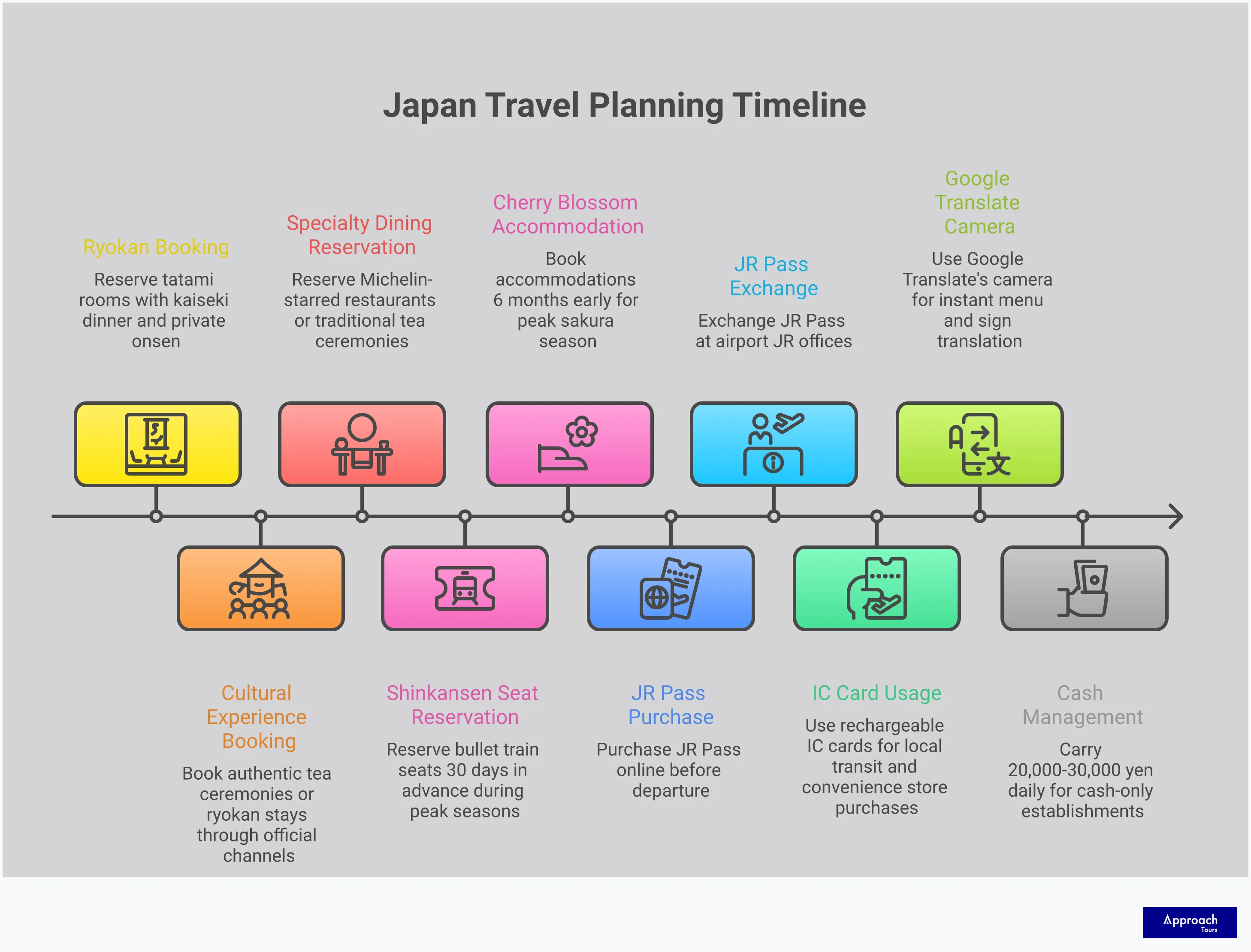
If your itinerary involves travelling between several cities the Japan Rail Pass can be a fantastic investment. This pass offers unlimited travel on most Japan Railways (JR) trains including many of the Shinkansen bullet trains for a set period. The most important thing to know is that you must purchase the pass before you arrive in Japan. You’ll order it online and receive an exchange order in the mail. Once you land in Japan you can visit a JR office at the airport or a major train station to trade your order for the actual pass. It’s a simple process that can save you a significant amount of money and hassle on your travels.
Riding the Famous Shinkansen Bullet Train
A ride on the Shinkansen or bullet train is an experience in itself. These sleek trains are renowned for their incredible speed efficiency and comfort making them the best way to travel between cities like Tokyo and Kyoto. As you glide smoothly and quietly through the countryside you’ll be treated to beautiful views of mountains fields and towns. The seats are spacious the cars are spotless and the entire journey is a testament to Japan’s commitment to precision. For a seamless experience you can reserve your seats in advance at any JR ticket office especially during peak travel times to ensure you and your companions can sit together and enjoy the ride.
Mastering Local Trains and IC Cards
For getting around within cities like Tokyo or Osaka local trains and subways are your best friend. To make this incredibly easy you’ll want to get an IC card. These are rechargeable tap-and-go cards like SUICA PASMO or ICOCA that you can use for nearly all public transit. Simply tap your card on the reader at the ticket gate when you enter and tap again when you exit. The fare is automatically deducted. These cards are wonderfully convenient because you can also use them to pay at convenience stores vending machines and even some restaurants. You can even add a virtual IC card to your smartphone for ultimate ease.
What Cultural Experiences Can’t You Miss?
Japan’s true magic lies beyond its famous landmarks. It’s found in the quiet moments of reflection and the joyful bursts of celebration that define its culture. To truly connect with this incredible country you need to immerse yourself in its traditions. These are not just activities on a checklist but invitations to understand a way of life that has been refined over centuries. From the serene precision of a tea ceremony to the communal warmth of a hot spring bath these experiences offer a deeper appreciation for the values of harmony beauty and respect that permeate Japanese society.
Participating in these traditions is the best way to create lasting memories. It’s the difference between seeing Japan and feeling it. Imagine yourself learning the graceful movements of serving matcha sharing a multi-course meal that looks like a work of art or joining locals at a vibrant neighbourhood festival. These are the moments that transform a great trip into an unforgettable one. On our tours we handle all the logistics so you can fully engage with these authentic cultural encounters without a worry. Let’s explore some of the essential experiences that will enrich your time in Japan.
Experience a Tea Ceremony and Kaiseki Dining
A traditional Japanese tea ceremony or Chanoyu is a beautiful performance of mindfulness and hospitality. It’s a chance to slow down and appreciate a ritual that emphasizes harmony respect purity and tranquility. Every gesture from whisking the vibrant green matcha to selecting the perfect ceramic bowl is deliberate and full of meaning. Participating in a ceremony offers a peaceful window into the soul of Japanese aesthetics.
Pair this serene experience with Kaiseki dining a traditional multi-course meal that elevates food to an art form. Each dish is a masterpiece showcasing the freshest seasonal ingredients and meticulous presentation. A Kaiseki dinner is a journey for the senses celebrating the flavours textures and colours of the region. Together the tea ceremony and Kaiseki dining provide a profound and delicious insight into Japanese culture.
Relax in an Onsen Hot Spring
Japan is a volcanic archipelago blessed with thousands of natural hot springs known as onsen. Soaking in these mineral-rich waters is a cherished national pastime and a deeply relaxing experience. An onsen provides a perfect opportunity to unwind and rejuvenate while surrounded by the country’s stunning natural beauty whether it’s a misty mountain forest or a serene coastal view.
Visiting an onsen is a core part of Japanese wellness culture. The experience is about more than just bathing; it’s a moment of quiet contemplation and a chance to let the stresses of travel melt away. Many traditional inns or ryokans have their own private onsen facilities making it easy and comfortable to partake in this soothing ritual. It’s an essential activity for any traveller looking to experience authentic Japan.
Learn the Etiquette for Shrines and Temples
Visiting Japan’s thousands of Shinto shrines and Buddhist temples is a highlight of any tour. These sacred spaces are places of active worship and quiet beauty. To show respect and connect more deeply with their spiritual atmosphere it’s helpful to understand some basic etiquette. The rituals are simple and observing them is a wonderful way to participate in the local culture.
Before entering a shrine you’ll often pass through a torii gate where a slight bow is customary. At the purification fountain near the entrance you can cleanse your hands and mouth with the provided ladles. When making an offering or prayer there is a simple sequence of bowing and clapping. Don’t worry about getting it perfect. Your respectful intention is what matters most and local guides can always show you the proper etiquette.
Join in Local Festivals and Celebrations
If your timing is right you might find yourself in the middle of a local festival or matsuri. These lively celebrations are a fantastic way to see Japanese culture at its most vibrant and joyful. Festivals are held throughout the year to mark the changing seasons celebrate historical events or honour local deities. They often feature colourful parades traditional music and dancing and streets lined with stalls selling delicious food and crafts.
From the famous Gion Matsuri in Kyoto to smaller neighbourhood events joining a festival is an unforgettable experience. It’s a chance to mingle with locals witness age-old traditions firsthand and feel the powerful sense of community that defines Japanese society. These celebrations offer a colourful and energetic glimpse into the heart of the country’s heritage and are a true highlight for any traveller.
Stay in a Traditional Ryokan
For a truly immersive cultural experience spend at least one night in a ryokan a traditional Japanese inn. A ryokan stay offers a glimpse into a classic way of life from the moment you trade your shoes for slippers at the door. Rooms typically feature sliding paper screens (shoji) woven tatami mat flooring and comfortable futon bedding that is laid out in the evening.
Staying in a ryokan is about more than just accommodation. It’s an opportunity to experience legendary Japanese hospitality or omotenashi. Many ryokans include exquisite multi-course Kaiseki dinners and traditional breakfasts in your stay. Often they also have their own on-site onsen for you to enjoy. A stay in a ryokan is a peaceful and memorable way to connect with Japan’s rich traditions.
Clearing Up Common Misconceptions About Japan
Japan is a country that sparks the imagination with images of serene temples ancient traditions and futuristic cityscapes. But with its unique culture it also comes with a few myths that can make planning a trip feel a little daunting. Many first-time travellers worry about the language mastering complex etiquette or finding food they’ll enjoy. Let’s clear the air on some of these common concerns so you can focus on the incredible experiences that await you. With a little insight and the support of your Group Guru you’ll find Japan to be one of the most welcoming and rewarding destinations you’ve ever visited.
The Language Barrier: Myth vs Reality
One of the biggest worries for travellers is the idea that it’s difficult to get around in Japan because of the language. While it’s true that Japanese is the official language you’ll be pleasantly surprised by how easy it is to find your way. In major cities and popular tourist areas signs in train stations airports and attractions are almost always in English. Many restaurant menus also feature English translations or helpful pictures. More importantly the Japanese people are famously polite and eager to help. A friendly smile and a bit of gesturing go a long way and modern translation apps can easily fill in any gaps. You certainly don’t need to be fluent to have a wonderful and immersive experience.
A Simple Guide to Japanese Etiquette
Japanese culture places a high value on respect and harmony which is reflected in its social etiquette. While customs like bowing might seem unfamiliar you aren’t expected to be an expert. Your Group Guru will offer gentle guidance along the way but the most important thing is to be mindful and polite. A simple nod of the head is a perfectly acceptable substitute for a full bow. Showing gratitude being quiet on public transport and handling money with care are small gestures that locals will appreciate. A genuine effort to be respectful is all that’s needed to enhance your travel experience and connect more deeply with the culture.
Beyond Sushi: Discovering Japan’s Diverse Cuisine
When people think of Japanese food sushi is often the first thing that comes to mind. While Japan is home to the world’s best sushi it’s only a small part of the country’s incredible culinary world. From steaming bowls of savoury ramen and light crispy tempura to hearty okonomiyaki pancakes and grilled yakitori skewers there is a staggering variety of dishes to try. Each region boasts its own local specialties offering a delicious journey through Japan’s diverse culinary landscape. You’ll find that much of the cuisine is based on cooked meats seafood and vegetables making it a true paradise for any food lover. So come with an open mind and an empty stomach.
Essential Tips for Planning Your Trip
A little preparation can make your experience in Japan even more seamless and enjoyable. While your Approach Tour is designed for ease and comfort with all the major logistics handled for you, these tips will help you feel confident during your free time and as you interact with the local culture. Think of this as your personal toolkit for making the most of every moment from exploring a quiet market to dining at a local restaurant.
Paying Your Way: Cash and Cards in Japan
One of the biggest differences travellers notice is Japan’s reliance on cash. While your credit card will work perfectly fine in large hotels department stores and restaurants in major city centres, you’ll find that Japan is still very much a cash-based society. Many smaller shops local eateries and market stalls only accept yen. To ensure you can pick up that perfect souvenir or enjoy a treat from a street vendor we recommend you withdraw Japanese Yen upon arrival at the airport. Having cash on hand gives you the freedom to explore without worry.
Booking Ahead for Stays and Meals
Japan is a beloved destination for travellers from around the world which means popular spots can get busy. With Approach Tours your accommodations and key activities are already secured so you can relax. However if you’re dreaming of a specific dining experience or planning to visit a particular museum during your scheduled free time it’s a great idea to make reservations well before your trip. This is especially true for high-end restaurants or special exhibits. A little advance planning ensures you won’t miss out on a personal highlight.
Understanding Dining and Social Customs
Embracing local customs is a beautiful part of travel and in Japan a few key practices will help you feel right at home. First tipping is not a part of the culture and can sometimes be considered impolite. Excellent service is standard and is not rewarded with a tip. You’ll also notice the custom of removing your shoes when entering someone’s home a traditional ryokan and even some restaurants. It’s a sign of respect. This simple guide to etiquette will help you feel comfortable and connected to the local culture.
Helpful Language and Communication Tools
While the thought of a language barrier can be intimidating you’ll find that many signs in airports train stations and tourist areas are in English. People are generally very helpful and a smile goes a long way. For those moments when you need a little extra help technology is a fantastic friend. We suggest you download a translation app like Google Translate before you leave. Its feature that lets you translate signs and menus just by taking a photo is incredibly useful for reading a menu or understanding directions on your own.
A Sample 7-Day Itinerary for Your First Visit
A week in Japan offers a fantastic introduction to its most beloved cities. This itinerary is a classic for a reason covering the famous “Golden Route” that connects Tokyo Kyoto and Osaka. It’s a fast-paced tour packed with unforgettable sights and cultural moments perfect for your first taste of this incredible country. You’ll experience the thrilling pulse of modern cities the serene beauty of ancient temples and the delicious flavours that make Japan a world-class food destination. This plan ensures you see the absolute must-see highlights without feeling rushed.
Days 1-3: Discovering Tokyo’s Highlights
Your adventure begins in Tokyo a city where futuristic skyscrapers stand beside quiet historic shrines. Spend your first days soaking in the energy. Witness the famous organized chaos of Shibuya Crossing a mesmerizing scramble of people from all directions. For a complete change of pace find tranquility among the trees at the Meiji Jingu Shrine dedicated to Emperor Meiji and Empress Shoken. You can also explore the old-world charm of Asakusa and its magnificent Senso-ji Temple. The official Tokyo tourism guide is a great resource for exploring the city’s diverse neighbourhoods and attractions.
Days 4-5: Exploring Kyoto’s Temples and Gardens
Next you’ll travel by Shinkansen bullet train to Kyoto the former imperial capital and the cultural heart of Japan. Here you’ll step back in time. Walk through the thousands of brilliant vermilion gates at the Fushimi Inari Shrine a path that winds up a mountainside. Stroll through the otherworldly Arashiyama Bamboo Grove where towering stalks of bamboo create a serene green canopy. In the evening wander the historic Gion district a beautifully preserved area where you might catch a glimpse of a geiko or maiko shuffling between appointments. Kyoto offers a deep dive into Japan’s traditional culture.
Days 6-7: Tasting Your Way Through Osaka and Nara
Conclude your week with a visit to Osaka a city with a passion for food and fun. Head straight to the Dotonbori district a dazzling canal-side street illuminated by enormous neon signs. This is the best place to sample local street food like takoyaki (octopus balls) and okonomiyaki (savoury pancakes). From Osaka take an easy day trip to Nara Japan’s first permanent capital. Here you can wander through Nara Park where hundreds of friendly sacred deer roam freely and bow for treats. Don’t miss Todai-ji Temple home to an immense and awe-inspiring bronze Buddha statue.
A Sample 10-Day Itinerary for a Deeper Look
With a few extra days in your pocket you can venture beyond the main city hubs and see a different side of Japan. A 10-day tour allows for memorable day trips and a more relaxed pace giving you time to truly absorb the atmosphere of each unique location. This itinerary builds on the 7-day highlights adding experiences that offer deeper cultural insight and natural beauty. It’s the perfect duration for travellers who want to see the iconic sights without feeling rushed.
Add a Mount Fuji Day Trip from Tokyo
No trip to Japan feels complete without seeing the magnificent Mount Fuji. A day trip from Tokyo is the perfect way to witness its grandeur. We recommend a visit to the nearby town of Hakone a stunning resort area nestled in the Fuji-Hakone-Izu National Park. Here you can unwind in a traditional onsen (hot spring) while enjoying breathtaking views of the mountain reflected in Lake Ashi. This perfect day excursion offers a peaceful contrast to Tokyo’s vibrant energy letting you connect with Japan’s serene natural landscapes. It’s a refreshing pause that adds another layer to your adventure.
Immerse Yourself in Kyoto’s Culture
With more time in Kyoto you can wander beyond the main attractions and truly immerse yourself in the city’s ancient soul. Picture yourself strolling through the thousands of vermilion gates at Fushimi Inari Shrine or gazing out from the wooden stage of Kiyomizu-dera Temple. You can visit the glittering Golden Pavilion Kinkaku-ji and find tranquility in the towering stalks of the Arashiyama Bamboo Grove. A walk through the historic Higashiyama district or along the cherry-tree-lined Philosopher’s Path offers a glimpse into old Japan. These enriching experiences allow you to fully appreciate why Kyoto remains the country’s cultural heart.
Explore Osaka and Visit Hiroshima
Ten days gives you the chance to explore Osaka known affectionately as “Japan’s kitchen” and take a profound day trip to Hiroshima. In Osaka you can dive into the dazzling food scene of the Dotonbori district and sample local delicacies at Kuromon Ichiba Market. From there a journey to Hiroshima offers a powerful and moving experience. Visiting the Peace Memorial Park and Museum provides a quiet space for reflection on the city’s history and its incredible journey toward peace. This insightful day trip is an essential part of understanding modern Japan and its resilient spirit.
Let’s Plan Your Unforgettable Japan Tour
Thinking about a tour of Japan is thrilling. The country presents a beautiful puzzle of ancient traditions and futuristic cityscapes but figuring out where to begin can feel like a monumental task. Deciding on the length of your stay the best route to take and the most meaningful experiences is the first step in crafting your perfect Japanese adventure. With a thoughtful plan you can ensure your tour is seamless comfortable and full of wonder.
The length of your tour shapes the story you’ll tell when you return. A week in Japan is a wonderful introduction. A 7-day itinerary gives you a vibrant taste of the country’s highlights often focusing on the electric energy of Tokyo and the serene temples of Kyoto. If you have a little more time a 10-day tour allows for a deeper connection. You can add another city like Osaka or take a scenic day trip to see Mount Fuji. For those who want a full immersion a 14-day tour lets you explore beyond the main hubs discovering hidden gems and enjoying a more relaxed pace.
Tracing the Golden Route
Most first-time tours of Japan follow the magnificent ‘Golden Route’. This well-travelled path connects three of Japan’s most captivating cities: Tokyo Kyoto and Osaka. It’s popular for a reason. You get to experience the full spectrum of Japanese life from Tokyo’s glittering skyscrapers and imperial history to Kyoto’s tranquil gardens and geisha districts. The route concludes in Osaka a city celebrated for its incredible food scene and vibrant nightlife. This path is the foundation for many a popular 10-day Japan itinerary allowing for a seamless and spectacular tour of Japan’s main island Honshu.
Unforgettable Cultural Experiences
A trip to Japan is about more than just seeing the sights it’s about feeling the culture. Imagine yourself participating in the quiet grace of a traditional tea ceremony learning the precise art from a master. You could spend an afternoon learning to prepare your own sushi or feel the ground shake as you witness the power of a sumo wrestling match. These are the moments that stay with you long after you’ve returned home. Engaging in these unique cultural experiences in Japan offers a much richer understanding of the country’s heritage and creates memories that are truly one-of-a-kind.
Finding the Perfect Season
Japan is a country of four distinct and beautiful seasons each offering a different reason to visit. Spring from March to May is world-famous for its breathtaking cherry blossoms which paint the country in soft shades of pink and white. It’s a magical time but also a very popular one. Autumn from September to November is equally stunning as the crisp air turns maple leaves into a fiery spectacle of red orange and gold. While these are peak seasons their beauty is undeniable. Planning a tour during these times means you get to witness Japan at its most picturesque.
Related Articles
- Japan Package Tours from the Philippines: Your Ultimate Guide
- How Much Does a Japan Tour Package Cost from the Philippines?
- Discover Japan: Temples, Bullet Trains & Cultural Wonders
- Timeless Japan
Frequently Asked Questions
How much walking should I expect on a tour of Japan? Japan is a country best explored on foot and you can expect to do a fair amount of walking to see the beautiful temples gardens and city neighbourhoods. That said our tours are designed for a comfortable pace. We use a private coach for longer distances between sights so you can rest and enjoy the scenery. The most important thing is to bring a pair of comfortable well-worn walking shoes. This will ensure you can enjoy every moment from a morning stroll through a market to an evening walk in a historic district.
I’m not very adventurous with food. Will I find things to eat besides sushi? Absolutely. While Japan is famous for its incredible sushi that’s just one small piece of its culinary world. The food is wonderfully diverse and you’ll find plenty of delicious cooked dishes. Think of savoury noodle soups like ramen and udon light and crispy tempura with vegetables and seafood or grilled chicken skewers known as yakitori. Many meals are based on familiar ingredients like rice grilled fish and flavourful broths. You’ll have no trouble finding meals that are both comforting and delicious.
Do I really need to carry a lot of cash? While credit cards are widely accepted in large hotels and department stores Japan is still very much a cash-based society. You will definitely want to have Japanese Yen on hand for smaller restaurants market stalls temple entrance fees and charming local shops. It makes these everyday transactions smooth and simple. A good practice is to withdraw a comfortable amount of cash from an ATM at the airport upon arrival. This way you’re always prepared for any purchase big or small.
I’m worried about getting the etiquette wrong. What’s the most important thing to remember? It’s natural to want to be respectful but please don’t worry about knowing every single rule. The most important thing you can bring is a mindful and considerate attitude. Japanese people are incredibly gracious and do not expect visitors to be experts on their customs. A simple nod or a slight bow is a lovely gesture of respect. Being quiet on public transportation and removing your shoes when entering a home or ryokan are other simple practices that show you care. Your genuine effort is what truly matters.
What is a stay in a traditional ryokan like? Is it comfortable? Staying in a ryokan or traditional inn is a truly special cultural experience. It’s quite different from a hotel but comfortable in its own unique way. You’ll sleep on a soft futon mattress laid out on a tatami mat floor which many people find surprisingly restful. The real highlights are the incredible hospitality the exquisite multi-course meals that are often included and the chance to relax in a soothing onsen hot spring. It’s a peaceful and immersive way to experience Japan’s famous dedication to service and tranquility.