One of the great joys of travelling through Japan is its incredible transportation from sleek bullet trains to comfortable private coaches. To make these transitions feel effortless we use Japan’s brilliant luggage forwarding service called takuhaibin. This system allows your main suitcase to be sent ahead to our next hotel meaning you can travel between cities with just a light overnight bag. This changes everything about how you pack. It offers a freedom and ease you will come to love. This Japan packing list is specifically designed for this smart way of travelling helping you organize your belongings for maximum convenience so you can relax and enjoy the scenic ride.
Key Takeaways
- Dress Smart with Layers and Slip-Ons: Japan’s weather requires adaptable layers for comfort from morning to evening. Easy slip-on shoes are just as crucial, saving you time and showing respect when entering temples, traditional restaurants and inns.
- Embrace Local Logistics for Smooth Travel: While Japan is modern, cash is still king for many small shops and restaurants, so keep yen with you. For easy movement, use the brilliant luggage forwarding service between hotels and get a rechargeable IC card for effortless travel on trains and coaches.
- Curate Your Essentials for Health and Connectivity: Confirm your personal medications meet Japan’s strict entry requirements before you go. A universal adapter and portable power bank are non-negotiable for staying charged, and packing a small hand towel is a practical tip for public restrooms.
Your Essential Japan Packing List
Packing for Japan is an exciting first step in your adventure. The key is to pack smart not light. Japan is a country of beautiful contrasts where ancient traditions meet modern efficiency. This means your wardrobe should be versatile enough for serene temple visits and bustling city explorations. While it’s always wise to be mindful of what you bring you can rest easy knowing Japan has a fantastic luggage forwarding service called takuhaibin. This service allows you to send your main suitcase ahead to your next hotel making travel on the sleek bullet trains and comfortable coaches an absolute breeze.
Your packing strategy should revolve around a few core principles: layers for changing weather comfortable shoes for walking and respectful attire for cultural sites. Japan’s climate can vary significantly from north to south and even from morning to evening so checking the forecast for each destination on your tour is a great idea. Think of your suitcase as a curated collection of pieces that will keep you comfortable stylish and prepared for every incredible moment. With a little planning you’ll have everything you need for a seamless and memorable journey.
Clothing for Comfort and Versatility
Your daily adventures in Japan will involve a good amount of walking so comfort is paramount. Opt for smart-casual outfits that you can easily layer. Breathable fabrics like cotton merino wool and linen are excellent choices. A typical day might include a mix of indoor and outdoor activities so having a light jacket cardigan or scarf is essential for adjusting to different temperatures. For visiting temples and shrines it’s respectful to wear clothing that covers your shoulders and knees. A simple pashmina or scarf can be a versatile accessory for this purpose.
The Importance of Slip-On Shoes
You will be taking your shoes off frequently in Japan. It’s a sign of respect when entering temples many traditional restaurants and even some hotels. For this reason comfortable slip-on shoes are a traveller’s best friend. A stylish pair of loafers walking flats or sneakers that you can easily slide on and off will save you time and hassle. Make sure they are well-worn and provide excellent support for long days on your feet. And since your shoes will be on display don’t forget to pack clean presentable socks or stockings without any holes.
Health and Personal Items
It’s always best to bring any personal medications with you in their original packaging accompanied by a doctor’s note. Japan has strict rules about certain medications so it is crucial to check regulations for your specific prescriptions before you travel. While Japanese pharmacies are excellent finding your preferred brands for things like pain relievers or allergy medicine can be tricky. Pack a small kit with your essentials. Many travellers also find it useful to carry a small hand towel or handkerchief as public washrooms don’t always have paper towels or hand dryers.
How to Pack for Japan’s Four Distinct Seasons
Japan’s weather changes dramatically with each season offering a completely different experience. From the delicate pinks of spring cherry blossoms to the crisp white snow of winter a well-planned wardrobe is your key to comfort. Packing for the right season means you can fully immerse yourself in the beauty around you without worrying about being too hot or too cold. Think of your suitcase as a toolkit for your adventure. The right layers and accessories will prepare you for everything from a warm temple visit to a cool evening stroll. This guide breaks down what you need for each of Japan’s distinct and beautiful seasons.
Packing for a Japanese Spring (March-May)
Spring in Japan is a magical time when the country is painted in shades of pink and white. The weather can be unpredictable with mild sunny days giving way to cooler evenings. Layering is your best strategy. Pack a medium-weight jacket or a stylish trench coat that you can easily take off. Include one or two comfortable sweaters for warmth. For tops bring a mix of three or four long and short-sleeved shirts. A few pairs of comfortable trousers will serve you well for days spent exploring. Remember to pack one smarter outfit for a special dinner. The Japan Meteorological Agency is a great resource for checking the forecast before you go.
Your Summer Packing List (June-August)
Japanese summers are known for being hot and humid so your packing list should focus on staying cool and comfortable. Choose lightweight and breathable fabrics like cotton or linen. You will want to pack more tops than usual perhaps five or six as you may wish to change during the day. A sun hat sunscreen and mosquito repellent are absolute must-haves. Pack three to four pairs of shorts capris or lightweight trousers. While exploring you will appreciate having a small portable fan or a spray bottle to mist yourself with water. These small items can make a huge difference in your comfort during the warmest part of the day.
Dressing for Autumn Colours (September-November)
Autumn rivals spring for its breathtaking beauty as the leaves turn brilliant shades of red orange and gold. The weather is generally pleasant and crisp but like spring it requires layers. Your packing list will look very similar to a spring one. A medium to light jacket is essential for cooler days and evenings. Bring a beanie or a fashionable hat and one or two sweaters. A mix of three or four long and short-sleeved shirts paired with several pairs of trousers will give you plenty of options. This is the perfect season to wear a comfortable pair of ankle boots which are both practical for walking and stylish for evenings out.
Your Winter Wardrobe Checklist (December-February)
Winter in Japan is cold and often snowy especially in the north but it has a quiet beauty. The key to winter packing is a high-quality warm outer layer. While you might be tempted to pack many thin layers Japanese interiors are kept very warm. A single puffer jacket is much easier to remove when you step inside a restaurant or museum. Be sure to pack a warm beanie gloves and a scarf to protect you from the cold. You will want two or three pairs of long trousers like jeans or corduroys. Three or four shirts both long and short-sleeved will work well under your jacket. Finally include one nice outfit for a cozy dinner after a day of sightseeing.
Don’t Leave Home Without These Documents and Gadgets
With your bags thoughtfully packed with the right clothing it’s time to turn your attention to the small but mighty items that make modern travel smooth and worry-free. While your Approach Tours Group Guru and local guides handle the grand logistics of your tour having your personal documents and favourite gadgets in order is your part of the partnership. It’s about ensuring you can charge your camera for that perfect photo send a picture of Mount Fuji to your family back home and travel with the complete peace of mind that comes from being well-prepared.
Think of these items as your personal toolkit for a seamless adventure. From the paperwork that gets you there to the technology that keeps you connected and powered up a little preparation goes a long way. We’ll walk through the essentials so you can focus on soaking in the beauty of cherry blossoms ancient temples and bustling cityscapes without a single logistical worry. Getting these details right before you leave means you can be fully present and enjoy every single moment of your incredible Japanese experience.
Essential Electronics to Keep You Connected
Sharing your adventures with loved ones back home is part of the fun. While Wi-Fi is common in hotels staying connected while you’re out exploring requires a little planning. Consider getting a data-only eSIM for your phone which is a digital SIM card you can install before you leave. It’s a wonderfully simple way to get data as soon as you land. Another great option is renting a pocket Wi-Fi device a small gadget that gives you a personal internet connection you can share with a travel partner. These tools give you the freedom to look up a detail about a shrine or send photos from a beautiful garden without searching for a public network.
Important Paperwork and Travel Insurance
Before you pack anything else check your passport. Make sure it is valid for at least six months beyond your planned departure from Japan and has at least one blank page for entry stamps. It’s also wise to check the latest entry requirements for Japan from the Government of Canada. We always recommend making both physical and digital copies of your passport flight information and tour itinerary. Most importantly securing comprehensive travel insurance is essential. It’s your safety net for any unexpected events from medical emergencies to lost luggage ensuring that a small hiccup doesn’t derail your incredible vacation. This is one of those things you hope you never need but will be incredibly grateful for if you do.
Adapters and Power Banks for On-the-Go Charging
Japan’s electrical outlets are different from ours in Canada. They use a two-prong plug without the third grounding pin. To keep your devices charged you will need a universal travel adapter. It’s a simple small tool that will let you plug in your phone camera charger and anything else you bring. A portable power bank is another non-negotiable item. On long wonderful days of sightseeing by coach or on foot it’s a lifesaver for charging your phone or camera on the go. You won’t have to worry about your battery dying just as you’re about to capture the perfect photo of a golden temple or a serene bamboo forest.
How to Pack with Japanese Culture in Mind
Packing for Japan goes beyond preparing for its four distinct seasons. It’s also about thoughtfully considering a culture built on respect harmony and mindfulness. Showing you’re mindful of local customs is one of the most beautiful ways to connect with the places you visit. Simple gestures like dressing appropriately for a temple visit or being prepared for the common practice of removing your shoes can make your interactions smoother and more meaningful.
Thinking ahead about these cultural nuances will help you feel more comfortable and confident as you explore. It’s not about having a strict set of rules but about moving through this incredible country with grace and awareness. We’ll cover what to wear when visiting sacred sites what medications require a second look before packing and why the right pair of shoes can make all the difference. These small considerations will help you pack smarter so you can focus on soaking in every moment of your tour.
Dressing Respectfully for Cultural Sites
When visiting Japan’s serene temples and sacred shrines you’ll want to dress with a touch of modesty. While you don’t need to be completely covered it’s a good practice to ensure your shoulders and knees are. This is a simple sign of respect in places of worship. I always pack a lightweight scarf or a cardigan that I can easily slip on when needed. It’s a versatile piece that can be tucked into your day pack. While cities like Tokyo and Kyoto are hubs of modern fashion stepping into a spiritual site is an invitation to embrace a more reserved style. It’s a small adjustment that shows your respect for the local traditions.
What Not to Pack: Restricted Items and Medications
This is an important one. Japan has very strict rules about bringing certain medicines into the country and some common over-the-counter drugs from Canada are not permitted. For instance some allergy and sinus medications that contain stimulants like pseudoephedrine are prohibited. Before you pack your personal care kit take a moment to check your medications against the official guidelines. If you need to bring specific prescription medication it’s wise to carry a doctor’s note and the original prescription with you. A quick check with the Japanese Ministry of Health will give you peace of mind and ensure a smooth arrival.
The Importance of Slip-On Shoes
You will be taking your shoes off a lot in Japan. It’s a fundamental part of Japanese etiquette when entering temples traditional restaurants and even some hotel rooms. To make this process seamless I highly recommend packing comfortable shoes that are easy to slip on and off. Think stylish loafers comfortable flats or sneakers without complicated laces. Fumbling with straps and buckles every time you enter a new space can become tedious. Since your socks will be on display more often than you might expect you could even pack a few of your nicer pairs. This practical choice will make your daily explorations so much more enjoyable and effortless.
Dressing for Comfort and Culture in Japan
Packing for Japan is about finding the sweet spot between practical comfort and cultural respect. You will spend your days discovering incredible sights from serene gardens to bustling city streets and our tours are designed to show you the very best of it all. This means you will be on your feet, stepping on and off our comfortable coach, and moving between different environments. Dressing thoughtfully allows you to fully immerse yourself in every moment without feeling unprepared or out of place.
Japan’s weather can be quite changeable and dressing in layers is the key to staying comfortable from a cool morning to a warm afternoon. At the same time, Japan is a country with a rich heritage and deeply respected traditions. When we visit sacred temples and shrines, dressing modestly is a simple yet meaningful way to show our respect for the local culture. By planning your outfits with these two ideas in mind, you will be perfectly prepared for a fantastic and worry-free tour.
Master the Art of Layering
The secret to comfortable travel in Japan is mastering the art of layering. Temperatures can shift throughout the day and you will often move between heated indoor spaces and the crisp outdoor air. Wearing several lighter layers allows you to adapt easily by adding or removing items as needed. Focus on packing clothes made from breathable fabrics like cotton, merino wool or linen which keep you comfortable without feeling bulky. A simple system of a short-sleeved top, a light cardigan or fleece, and a packable waterproof jacket will prepare you for almost any weather you might encounter.
What to Wear When Visiting Temples and Shrines
Visiting Japan’s beautiful temples and shrines is a highlight for many travellers. These are not just historical sites but active places of worship and it is important to dress with respect. This means choosing modest clothing that covers your shoulders and knees. While you do not need to dress formally, it is best to avoid tank tops, shorts or short skirts on days we plan to visit these sacred places. A pair of light trousers or a knee-length skirt paired with a top that has sleeves is a perfect choice. A lightweight scarf or pashmina is also a wonderful, versatile accessory to pack for this purpose.
Why Comfortable Shoes are Non-Negotiable
If there is one piece of advice to take to heart it is this: comfortable shoes are an absolute priority. You will be doing a good amount of walking as you explore Japan’s fascinating cities and landscapes and the last thing you want is sore feet. We strongly recommend packing at least two pairs of broken-in, supportive walking shoes like sneakers. This allows you to alternate pairs each day giving your feet a rest and providing a backup. Since you will frequently remove your shoes to enter temples, some restaurants and traditional inns, a pair of comfortable slip-on shoes can be incredibly convenient.
Your Health and Personal Care Kit
Feeling your best is the key to truly enjoying your travels. A thoughtfully prepared health and personal care kit ensures you have everything you need for comfort and peace of mind from the moment you land. While Japan is a modern country with excellent pharmacies you’ll find that having your familiar essentials on hand is a simple comfort that goes a long way. Think about your daily routines and what makes you feel good. This could be your favourite moisturizer a trusted pain reliever or blister plasters for days with lots of walking.
Packing these items means you can focus on the beautiful scenery and cultural experiences without worrying about tracking down a specific brand of toothpaste or dealing with a minor scrape. It’s about creating a small pocket of home that travels with you. This kit doesn’t need to be bulky. A simple pouch with travel-sized containers and a small first-aid kit is usually all it takes. We want you to feel completely cared for so you can immerse yourself in every moment from sipping matcha in a quiet garden to marvelling at the neon glow of Tokyo. Having your personal comforts readily available is a small but significant part of that seamless experience. It removes any potential stress so your energy is reserved for discovery and delight.
Managing Personal Medications and Health Needs
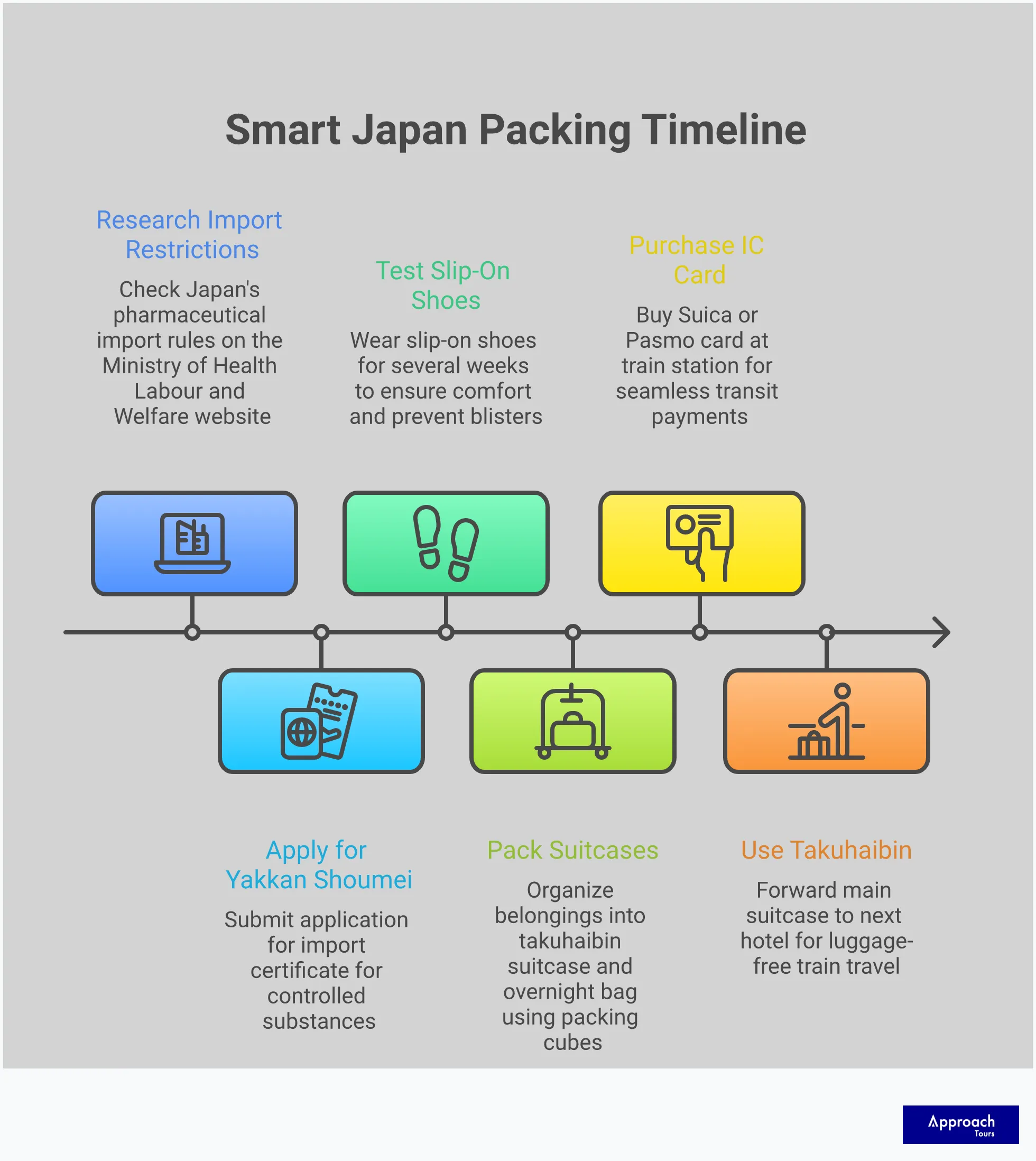
When it comes to prescription medications preparation is essential. Japan has specific regulations about which medicines can be brought into the country and in what quantities. To ensure a smooth entry pack all medications in their original pharmacy-labelled containers. It’s also a great idea to carry a copy of your prescription or a letter from your doctor. For certain medications you may need to apply for a Yakkan Shoumei or an import certificate in advance. You can find detailed information on the Ministry of Health Labour and Welfare website to verify your specific needs.
Sunscreen and Skincare Essentials
Whether you’re wandering through serene temple gardens in Kyoto or exploring the vibrant streets of Tokyo protecting your skin is a must. The sun in Japan can be surprisingly strong even on overcast days. Pack a broad-spectrum sunscreen with at least SPF 30 and apply it generously each morning. A wide-brimmed hat and a pair of sunglasses are also your best friends for staying comfortable while sightseeing. Keeping your skin protected is a simple step that ensures you can enjoy every moment outdoors. You can review general sun safety tips before you depart.
Useful Toiletries and a Small Hand Towel
While our first-class hotels provide lovely amenities having your own travel-sized toiletries ensures you have the brands you prefer. Beyond shampoo and toothpaste consider a small first-aid kit. Items like antiseptic wipes bandages and especially blister plasters can be lifesavers after a long day of walking. One uniquely useful item to pack is a small hand towel or face cloth. Many public restrooms in Japan do not have paper towels or air dryers so having your own towel is incredibly convenient for drying your hands. It’s a small cultural nuance that makes a big difference in your day-to-day comfort.
Managing Your Money in Japan
Japan is a land of wonderful contrasts and this extends to how you’ll handle your money. While it’s a hub of futuristic technology, many daily transactions still rely on good old-fashioned cash. Planning ahead will make your financial transactions smooth and stress-free, letting you focus on the incredible sights and experiences. Having a mix of payment options is key. You’ll want some Japanese yen in your wallet for smaller purchases and an IC card for zipping around on public transport with ease.
Why You’ll Still Need Cash (And Where to Get It)
Despite its modern image, Japan remains a cash-heavy society. You’ll find that many smaller shops, charming local restaurants and market stalls prefer yen. It’s essential to have cash on hand for these authentic experiences and for things like temple entrance fees. While your credit card will be fine in large hotels and department stores, carrying cash is a must for daily exploring. Thankfully, getting yen is simple. You can find ATMs that accept international cards in thousands of convenience stores like 7-Eleven and Family Mart. These are often the most reliable places for travellers to withdraw Japanese yen 24/7.
Getting Around with IC Cards
For seamless travel on Japan’s world-class public transit system, an IC card is your best friend. These rechargeable cards, like Suica or Pasmo, let you simply tap to pay for trains, subways and coaches in major cities. This means no more figuring out fares or waiting in line for single tickets. You can also use your IC card for quick purchases at convenience stores, vending machines and even some lockers, making it incredibly versatile. You can pick one up at ticket machines in major train stations upon arrival. Topping it up is just as easy and can be done at the same machines or at a convenience store counter. It’s a simple tool that makes getting around Japan feel effortless.
How to Pack for Easy Travel on Trains and Coaches
One of the true joys of travelling through Japan is experiencing its world-class public transportation. Gliding through the countryside on a sleek Shinkansen or winding through mountain roads on a comfortable coach is part of the adventure. To make these transitions seamless and enjoyable, packing thoughtfully is your secret weapon. While your Group Guru and our team handle all the major logistics like tickets and transfers, how you organize your personal belongings can make a world of difference to your daily comfort. The goal is to feel light and unencumbered so you can focus on the incredible sights around you.
Moving between destinations should be exciting not stressful. Imagine stepping off a train in Kyoto ready to explore not wrestling with a heavy bag. Smart packing means you have exactly what you need when you need it without being weighed down by the rest. This is especially true when using Japan’s brilliant luggage forwarding services which allow you to send your main suitcase ahead. By choosing the right luggage, carrying a practical day pack and preparing for any weather that comes your way you set yourself up for a smooth and graceful tour through this beautiful country.
Choosing the Right Luggage
For a tour of Japan a medium-sized suitcase with four spinner wheels is your best friend. It’s easy to manage in airports and hotel lobbies. But the real travel magic lies in Japan’s incredibly efficient luggage-forwarding service called takuhaibin. We use this service on our tours to make your travel days wonderfully simple. Your main suitcase is picked up from our hotel and delivered directly to our next one. This means you only need to travel with a small overnight bag on the train or coach. You can relax and enjoy the journey knowing your larger bag will be waiting for you upon arrival. It’s a system built on trust and efficiency and it completely changes the travel experience.
The Perfect Day Pack and Reusable Bag
A comfortable day pack is essential for your daily explorations. Whether you prefer a small backpack to keep your hands free or a stylish cross-body bag for security this will be your go-to for carrying daily necessities. Think of it as your personal command center holding your water bottle camera wallet and perhaps a light cardigan. I also highly recommend tucking a lightweight foldable duffel bag into your main suitcase. As you collect beautiful souvenirs like handcrafted ceramics or unique textiles you can use this extra bag for the journey home. It’s a simple trick that saves you from over-stuffing your primary luggage or having to buy another bag on the road.
Preparing for Unexpected Weather
Japan’s weather can be delightfully varied and it’s wise to prepare for quick changes. The forecast in Tokyo might call for sun while the mountains of Hakone are misty and cool just a short train ride away. Always check the weather for each specific region on our itinerary before you leave for the day. A packable waterproof jacket is a versatile piece that can serve as a windbreaker or a rain shield. A compact travel umbrella is another must-have. Or you can do as the locals do and purchase an inexpensive clear umbrella from any konbini (convenience store). It’s a fun and practical way to embrace the local culture when a sudden shower appears.
What Common Packing Mistakes Should You Avoid?
We’ve all been there. You’re standing in front of an open suitcase filled with excitement and a little bit of panic tempted to pack for every possible scenario. But when it comes to Japan one of the best pieces of advice is to pack with intention. Overpacking is the most common mistake travellers make and it can weigh you down literally. A lighter bag makes every part of your tour smoother from navigating train stations to settling into your hotel room. While your Group Guru and coach driver handle the heavy lifting of logistics managing your own luggage with ease is a simple way to make a great trip even better. By avoiding a few common pitfalls you can ensure your packing is as thoughtfully crafted as your tour itself. Japan is a country of beautiful efficiency and your packing can be too. Resisting the urge to bring that extra “just in case” sweater or a third pair of shoes will pay off in comfort and convenience. Think of your suitcase not as a storage unit for everything you own but as a curated collection of essentials that will support your adventure. This mindset shift is the first step toward a more relaxed and enjoyable experience.
Leave it at Home: What You Can Buy in Japan
One of the best ways to save space in your suitcase is to leave room for the wonderful things you’ll find in Japan. Many travellers discover they can purchase high-quality clothing and essentials at very reasonable prices. Stores like Uniqlo offer stylish and practical pieces that are often cheaper than they are back home. This means you can pack fewer outfits and enjoy a bit of shopping for items you’ll actually use. Plus most hotels are equipped with laundry machines so you can easily wash clothes during your trip. Think of it as an opportunity to refresh your wardrobe mid-tour and bring home some functional souvenirs.
Rethink Your Tech: What You Really Need
In our connected world it’s easy to overpack gadgets. For Japan your smartphone will be your most valuable tool for photos navigation and staying in touch. The one piece of tech that is non-negotiable is a portable power bank. It’s a lifesaver for keeping your phone charged during long days of exploring ancient temples and bustling city streets. Unless you are a serious photographer consider leaving bulky camera equipment like extra lenses or a large DSLR at home. A modern smartphone takes incredible photos and you’ll appreciate not having the extra weight. Your focus should be on the experience not on juggling gear.
Avoiding Bulky Items and Overpacking
The key to a breezy travel experience in Japan is packing light. The country has an incredibly efficient luggage-forwarding service called takkyubin that can send your main suitcase from one hotel to the next. This allows you to travel between cities with just a small overnight bag making journeys on the Shinkansen (bullet train) and local transport effortless. By packing only what you truly need you avoid the hassle of hauling heavy bags through busy stations. A thoughtfully packed bag gives you the freedom and flexibility to fully immerse yourself in the beauty and culture surrounding you.
Related Articles
- What should I pack for my tour?
- Japan Tours: How to Find Your Perfect Match
- Your Guide to the Best Japan Tours from Toronto
- Japan Package Tours from the UK: Your Perfect Trip
- Japan Package Tours from the Philippines: Your Ultimate Guide
Frequently Asked Questions
How does the luggage forwarding service actually work on the tour? It’s a wonderfully seamless process that we handle for you. On days we travel between cities by train your Group Guru will let you know when to have your main suitcase ready. You will simply leave it with the hotel concierge in the morning and we take care of the rest. It will be securely transported and waiting for you when we check into our next hotel. You only need to travel with a small overnight bag containing your essentials for the journey.
How much Japanese yen should I plan to have on hand? While this depends on your personal spending habits it is wise to always have some cash. Japan is very much a cash-based society for smaller transactions. You will want yen for things like entrance fees at temples snacks from street vendors or small souvenirs from local markets. A good starting point is to have the equivalent of a few hundred Canadian dollars worth of yen. You can easily withdraw more from the ATMs found in 7-Eleven or other convenience stores which are reliable and accessible.
Do I really need slip-on shoes or are my comfortable lace-up sneakers okay? Your absolute top priority should be comfort and support for your feet. If your most comfortable and well-worn walking shoes have laces that is perfectly fine. The suggestion for slip-on shoes is purely for convenience as you will be removing them frequently. Many travellers find that having one pair of easy-to-remove shoes in addition to their primary walking sneakers gives them the best of both worlds for a long day of exploring.
What should I pack in my small overnight bag for the days we use luggage forwarding? Think of your overnight bag as your companion for the journey itself. It should contain everything you need for that travel day and the following morning. This typically includes a change of clothes pajamas your toiletries and any personal medications. It is also where you will want to keep your electronics like your phone power bank and camera so you have them with you on the coach or train.
Will I have opportunities to do laundry during the tour? Yes you will. We know that having the ability to wash clothes is key to packing light and staying fresh. Most of the first-class hotels we stay at are equipped with guest laundry facilities which are typically coin-operated and easy to use. Your Group Guru can always point you in the right direction and help with any instructions if needed. This allows you to pack fewer items and even leaves a little extra room for souvenirs.