The details of your New Zealand tour are coming together beautifully. You can almost feel the gentle breeze in the Bay of Islands and taste the crisp Sauvignon Blanc from Marlborough. As you finalize your preparations one last detail ensures your peace of mind: securing the right travel insurance. This isn’t just about ticking a box; it’s about creating a foundation of security so you can relax completely. A great New Zealand travel insurance plan is your personal assurance that from a misplaced bag to an unexpected medical need you are covered. It’s the final step that lets you leave your worries behind and embrace the adventure ahead.
Key Takeaways
- Focus on comprehensive medical care: Your Canadian health plan offers very little coverage abroad, making insurance for medical emergencies and evacuation the most critical part of your protection.
- Buy your policy right after you book: Securing insurance early protects your financial investment with trip cancellation coverage, which covers you for unexpected events long before you depart.
- Match the policy to your personal needs: Read the fine print to ensure your plan covers your specific itinerary and any pre-existing health conditions, as standard policies often have exclusions.
Why is Travel Insurance Essential for Your New Zealand Trip?
Planning a tour to New Zealand is an exciting experience. You picture the dramatic fjords of Milford Sound the rolling green hills and the vibrant Māori culture. The last thing you want to think about is what could go wrong. That’s where travel insurance comes in. Think of it not as an extra expense but as a fundamental part of your travel plan. It’s the safety net that allows you to fully immerse yourself in the adventure knowing you’re protected from the unexpected.
From a sudden illness before you depart to a misplaced bag upon arrival travel insurance provides peace of mind. It ensures that a minor hiccup doesn’t turn into a major financial burden. It’s about protecting the investment you’ve made in your tour and more importantly protecting your health and well-being while you’re far from home. With the right coverage in place you can focus on what truly matters: creating incredible memories on your journey through one of the world’s most beautiful destinations.
Covering Unexpected Medical Needs
One of the most critical reasons to have travel insurance is for medical emergencies. While Canada has an excellent healthcare system your provincial plan offers very limited coverage outside the country. New Zealand’s medical system does not accept Canadian health insurance meaning you would be responsible for the full cost of any care you receive. An unexpected illness or injury could lead to significant out-of-pocket expenses.
Travel insurance is designed to cover these costs from a doctor’s visit for a minor issue to a hospital stay for something more serious. Medical emergencies are consistently the most common and costly travel insurance claims. Having a comprehensive policy means you can get the care you need without worrying about the financial impact.
Protecting Your Adventures from Hiking to Wine Tasting
New Zealand is a land of adventure and your tour will be filled with incredible experiences. Whether you’re enjoying a guided walk through a national park cruising on a pristine lake or sampling wines at a local vineyard you want to do so with confidence. Accidents can happen even during light activities and travel insurance can provide coverage for incidents that occur while you’re exploring.
Many plans offer specific coverage for adventure activities ensuring that if you take a tumble on a trail or need assistance during an excursion you’re protected. This allows you to participate fully in every planned activity. You can savour each moment of your tour knowing your policy is there to support you if you need it.
Safeguarding Your Travel Investment
You’ve invested time and money into planning your dream tour to New Zealand. Travel insurance helps protect that investment from the moment you book. In fact a significant number of claims are for trip cancellations before travellers even leave home. An unforeseen family emergency or a sudden illness could force you to change your plans.
Without insurance you could lose the money you’ve paid for your tour. Trip cancellation and interruption coverage is a key benefit that reimburses you for non-refundable costs if you have to cancel or cut your trip short for a covered reason. It’s a small price to pay for the assurance that your travel investment is protected against life’s unexpected turns.
What Should Your New Zealand Travel Insurance Cover?
Choosing the right travel insurance is about more than just ticking a box. It’s about crafting a safety net that lets you immerse yourself in the wonders of New Zealand without a flicker of worry. A truly great policy is tailored to your specific tour, covering the big what-ifs and the small hiccups. Think of it as your personal guardian angel, ensuring that from the moment you book your flight to the moment you return home with a camera full of memories, you’re protected. The best plans offer a thoughtful blend of medical security, trip protection and personal effects coverage. Let’s look at the essential components your New Zealand travel insurance policy should include.
Comprehensive Medical and Evacuation Care
This is the absolute heart of any travel insurance plan. While we plan for perfect health on our travels, life can be unpredictable. Should you need medical attention for anything from a sudden illness to an unexpected injury, your policy should cover hospital stays, doctor visits and prescription medications. As a visitor to New Zealand you are not covered by its public healthcare system and medical costs can be substantial. It’s also vital to ensure your plan includes medical evacuation. This covers the cost of transporting you to the nearest appropriate medical facility or even back to Canada if necessary, which is a crucial feature when travelling in a country known for its beautiful but sometimes remote landscapes.
Coverage for Your Favourite Activities
New Zealand’s landscapes invite exploration and your insurance should be ready for the adventure. While you might not be planning to bungee jump, your itinerary is filled with incredible experiences like walking through ancient forests, cruising the majestic Milford Sound or strolling through world-class vineyards. A standard policy may not cover injuries sustained during certain activities. It’s important to review the policy details to ensure it includes coverage for the specific excursions on your tour. This small step ensures that a slip on a hiking trail or a stumble on a cobblestone street won’t result in a mountain of unexpected bills, letting you embrace every moment with confidence.
Protection Against Trip Cancellations and Delays
A significant amount of planning and financial investment goes into your tour. Trip cancellation and interruption coverage protects that investment. Life can throw a curveball and you may need to cancel your trip beforehand due to a personal illness or a family emergency. This coverage reimburses you for prepaid non-refundable costs. Similarly, trip interruption coverage applies if you need to end your travels early. The policy can also be a lifesaver during unexpected travel delays. If a missed flight connection means an unplanned overnight stay, your insurance can cover the cost of a hotel and meals, turning a stressful situation into a manageable one.
Securing Your Luggage and Personal Items
There’s no feeling quite like the one you get watching an empty baggage carousel go around. While your Group Guru will be there to help sort out the logistics, having coverage for lost, stolen or damaged luggage provides peace of mind. This benefit allows you to purchase necessary clothing and essentials so you can continue your tour comfortably while the airline locates your bags. The policy should also extend to your personal effects like cameras, tablets and other valuables you bring to capture your memories. This ensures that a lost bag or a stolen camera doesn’t just mean lost items but provides the financial support to replace them.
Understanding the Cost of New Zealand Travel Insurance
One of the most common questions we hear is about the cost of travel insurance. Think of it as a small but essential part of your total travel investment. While the exact price can vary a good rule of thumb is that a comprehensive plan will typically cost between 5% and 7% of your total tour price. This investment gives you the freedom to relax and immerse yourself in the experience knowing you are protected.
The final cost depends on a few key factors including the specific plan you select and the number of travellers on your policy. For a destination like New Zealand where your days might be filled with everything from city explorations to nature walks having the right coverage is what truly matters. It’s about finding a plan that fits your adventure perfectly so you can focus on making memories.
What Determines the Price of Your Plan?
The price of your travel insurance plan is tailored to your specific trip. The primary factors that influence the cost are the total price of your tour and the level of coverage you choose. A more comprehensive plan with higher limits for medical emergencies or trip cancellation will naturally have a different price point than a basic medical-only plan.
Your age and the length of your stay in New Zealand also play a role. Insurers use this information to assess risk and calculate your premium. The key is to see the cost not as an expense but as protection for the significant investment you’ve made in your travel experience. It ensures that if an unexpected event occurs you are financially covered.
Comparing Comprehensive vs Medical-Only Plans
When you start looking at policies you will notice two main types: comprehensive and medical-only. A medical-only plan is the most basic option focusing strictly on covering costs related to illness or injury while you are away. These plans are generally more affordable but offer a narrower scope of protection.
A comprehensive plan offers much broader coverage. In addition to medical and evacuation expenses it typically includes benefits for trip cancellation and interruption baggage loss and travel delays. For an all-inclusive tour this type of plan is invaluable. It protects your entire investment from the moment you book until the moment you return home giving you complete peace of mind.
How to Find the Best Value for Your Coverage
Finding the best value isn’t about finding the cheapest plan. It’s about finding the right plan for your needs at a fair price. Start by looking for policies that offer high limits for emergency medical and evacuation coverage as these are the most critical protections. Then consider what else is important for your trip. Will you be doing any light hiking or other activities? Ensure your plan covers them.
Using a travel insurance comparison tool can be a fantastic way to see different plans side-by-side. Look for providers that clearly list their benefits for things like trip interruption and baggage delay. Reading the policy details carefully helps you understand exactly what you are buying so you can travel with confidence.
What to Look for in a Travel Insurance Provider
Choosing the right travel insurance provider is just as important as selecting the right policy. The company behind the plan is your partner in ensuring a smooth and secure trip. You want a provider that is reliable, transparent and ready to help when you need it most. Think of them as your safety net, quietly waiting in the wings so you can focus on the magnificent landscapes and vibrant culture of New Zealand. A great provider offers more than just a policy; they offer peace of mind. Look for these key qualities to find a company you can trust with your travels.
A Provider with 24/7 Emergency Assistance
When you are exploring the other side of the world, an emergency can happen at any time, day or night. That is why having access to 24/7 emergency assistance is non-negotiable. Imagine needing urgent medical advice in Queenstown when it is the middle of the night back home in Canada. A dedicated, round-the-clock support team ensures you can get immediate help and guidance no matter the hour. Travel insurance provides financial protection against unexpected events, and a responsive provider is your first line of defence when things do not go as planned.
Clear Policies and Easy-to-Understand Language
Insurance documents can feel like they are written in another language, full of complex jargon and confusing clauses. A trustworthy provider makes an effort to communicate clearly, using plain language that is easy to understand. You should be able to read your policy and know exactly what is covered and what is not. For example, many plans exclude coverage for pre-existing medical conditions unless you purchase a specific add-on. A provider that is transparent about these details helps you make an informed decision and avoid any unwelcome surprises down the road.
A Simple and Straightforward Claims Process
A fantastic policy is only useful if you can actually use it. When you need to make a claim, the last thing you want is a complicated and frustrating process. Look for a provider known for its simple and straightforward claims system. This means clear instructions on what documents you need, responsive communication from their team and timely processing. Understanding common exclusions like incidents related to undeclared medical conditions is the first step. A good provider makes this information obvious so you are well-prepared if you ever need to file a claim.
Positive Reviews from Fellow Travellers
One of the best ways to gauge a provider’s reliability is to see what other travellers have to say. Look for reviews and testimonials on independent websites. Are people praising the company’s customer service and efficient claims process or are they sharing stories of frustration? Positive feedback from fellow travellers is a strong indicator that you are choosing a dependable company. With a significant number of travellers making claims even before they leave home, choosing a provider with a stellar reputation for travel insurance is a smart move for a worry-free adventure.
Understanding the Fine Print: Common Exclusions to Know
Reading the policy details of your travel insurance might not be as exciting as planning your wine tasting tour in Marlborough but it’s just as important. These documents can feel a bit dense filled with legal terms and specific conditions. However taking a moment to understand what your policy doesn’t cover is one of the most empowering things you can do before a tour. Every policy has a list of exclusions or situations where it won’t pay out a claim. Knowing these limitations beforehand prevents unwelcome surprises if you need to make a claim. Think of it as checking the weather before you pack; it helps you prepare for what’s ahead so you can travel with complete confidence.
At Approach Tours we handle all the details of your tour so you can relax and immerse yourself in the experience. Your travel insurance is a separate and personal contract between you and your provider and we want you to feel just as secure with it as you do with our itineraries. Understanding the fine print isn’t about expecting things to go wrong. It’s about being so well-prepared that you don’t have to worry about a thing. The key is to find a policy that aligns with your health your itinerary and your peace of mind. Let’s walk through some of the most common exclusions so you can choose your coverage with confidence and focus on the incredible experiences waiting for you in New Zealand.
How Policies Handle Pre-Existing Conditions
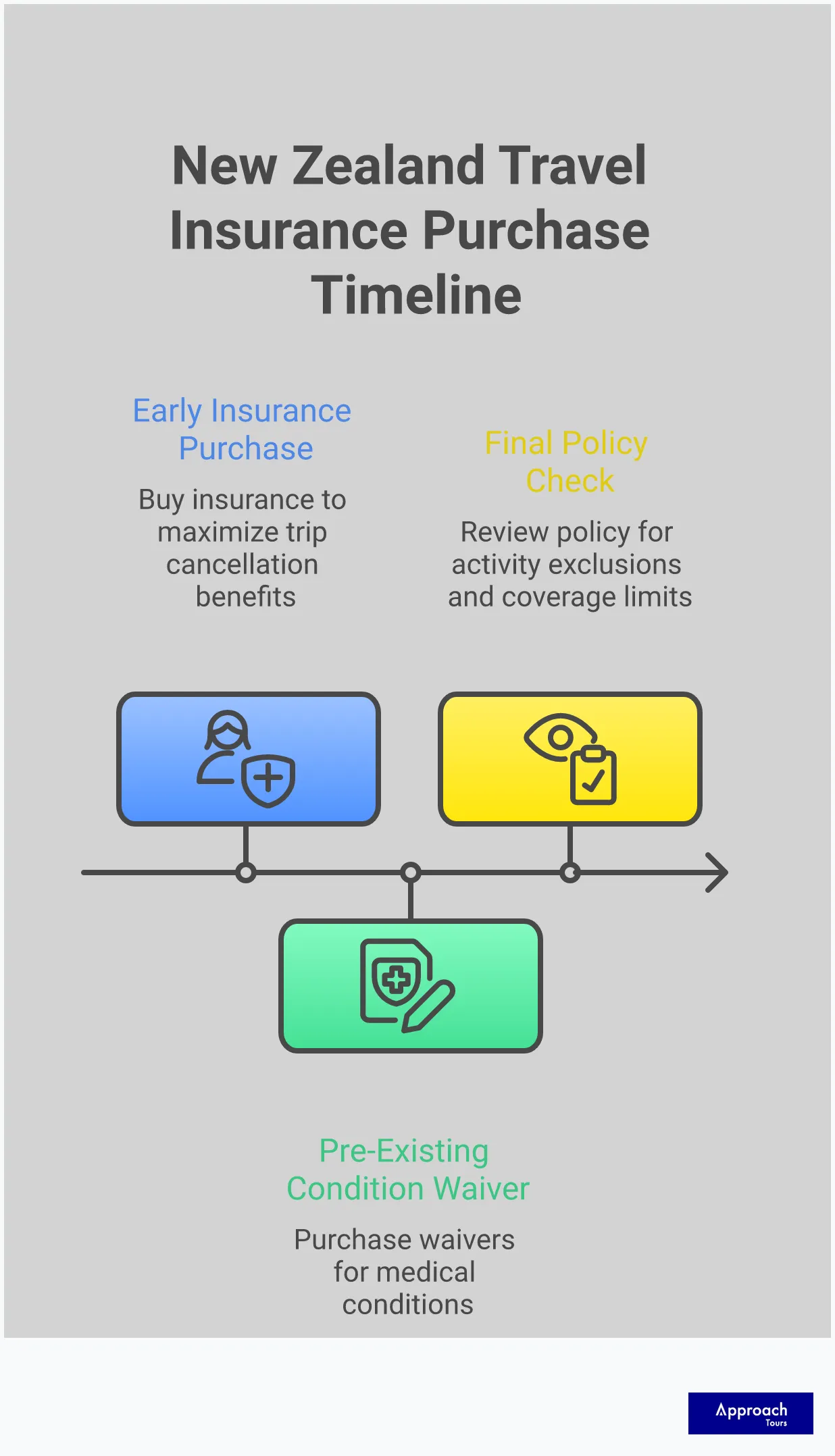
This is a big one for many travellers. A pre-existing condition is any medical issue you had before you purchased your insurance plan. Many standard policies will not cover claims related to these conditions unless you specifically declare them and purchase a plan that includes this coverage. It’s essential to be completely honest with your insurance provider about your health history. While it might mean a slightly higher premium it ensures you’re properly protected. A good policy will offer a waiver or add-on for pre-existing medical conditions giving you the assurance you need to travel without worry.
When Adventure Activities Need Extra Coverage
New Zealand is a playground of stunning landscapes and unique experiences. While you might not be planning to bungee jump you could be interested in a scenic helicopter flight over a glacier or a jet boat ride through a canyon. Insurance providers often classify certain activities as “high-risk” and may exclude them from standard coverage. Before you buy a plan check the list of covered activities. If something on your itinerary isn’t included you’ll likely need to purchase an add-on for adventure sports. This ensures that if you twist an ankle on a guided hike or take a tumble during a new activity you can make a successful travel insurance claim.
What Happens During Natural Disasters or Bad Weather
New Zealand’s dramatic geography means its weather can be unpredictable and it is geologically active. It’s important to know how your insurance handles trip cancellations or interruptions due to events like earthquakes floods or volcanic ash clouds. Surprisingly many claims happen before travellers even leave home. A standard policy might not cover you if a natural disaster forces you to cancel your plans. Look for specific coverage for these events or consider a “Cancel for Any Reason” upgrade if it’s available. This type of travel insurance offers the most flexibility and protection against the unexpected.
Debunking Common Myths About Travel Insurance
Travel insurance can sometimes feel like a complex topic filled with confusing terms and fine print. It is easy to rely on assumptions but that can leave you unprotected when you need it most. To help you prepare for your tour with complete peace of mind we are clearing up a few of the most common misunderstandings about travel insurance. Think of this as your straightforward guide to what is true and what is not so you can make an informed choice. Understanding your coverage is the first step toward a worry-free adventure letting you focus on the incredible landscapes and experiences New Zealand has to offer.
Myth: “My Canadian Health Plan Has Me Covered Abroad”
This is one of the most critical myths to dispel. While it is true you are covered by your provincial health plan within Canada that coverage becomes extremely limited once you leave the country. Your provincial and territorial health plans will only pay for a very small fraction of medical expenses incurred abroad. For example a hospital stay in New Zealand could cost thousands of dollars per day and your Canadian plan might only reimburse a few hundred. This leaves you responsible for the significant difference. Relying solely on your government health plan is a major financial risk that travel insurance is specifically designed to prevent.
Myth: “My Basic Plan Covers All Activities”
It is tempting to think that any insurance plan will cover everything you plan to do on your tour. However most basic policies have specific exclusions. Many plans do not automatically cover pre-existing medical conditions unless you purchase a specific add-on or waiver. Furthermore activities that insurers consider higher risk might not be included. While our tours focus on comfortable and enriching experiences it is always wise to check your policy details. Ensure your plan provides the right level of protection for every part of your itinerary from city explorations to nature walks so there are no surprises.
Myth: “It’s Only for Cancelling Your Trip”
While trip cancellation is a valuable benefit it is only one piece of the puzzle. The primary purpose of travel insurance is to protect you from unexpected and often expensive medical emergencies while you are away from home. In fact the most common and often most significant travel insurance claim is for medical issues that arise during a trip. Beyond that comprehensive policies also cover trip interruption lost or delayed baggage and travel delays. It is a safety net that protects your health and your financial investment throughout your entire tour not just before you depart.
Real-Life Scenarios: The Most Common Claims in New Zealand
Travel insurance can feel like an abstract concept until you see how it works in the real world. While we plan every Approach Tour for a seamless experience it’s wise to be prepared for life’s little detours. Understanding the most common claims helps illustrate why a good policy is so important. From minor mishaps to major interruptions these are the situations where having the right coverage makes all the difference.
From Twisted Ankles to Medical Emergencies
By far the most common and often most significant travel insurance claim is for medical emergencies. Imagine you’re on a beautiful hike near Milford Sound and take a small tumble twisting your ankle. Or perhaps you come down with a sudden illness that requires a doctor’s visit. These situations are where insurance is invaluable. Your policy can cover everything from an ambulance ride and hospital stay to the cost of prescription medication. It ensures you receive prompt medical care in New Zealand without worrying about the financial burden letting you focus on recovery.
Handling Unexpected Flight Delays and Trip Changes
It might surprise you to learn that many travel troubles happen before you even zip your suitcase. According to New Zealand’s insurance council up to one third of all claims are from travellers before they even leave home. A sudden family emergency or an airline cancelling your flight could disrupt your carefully made plans. This is where trip cancellation and interruption coverage becomes essential. It can reimburse you for non-refundable costs like flights hotels and tour payments. This protection gives you peace of mind that your travel investment is secure no matter what happens.
When Your Luggage Goes on Its Own Adventure
You’ve just landed in beautiful Queenstown ready for adventure but your suitcase is nowhere to be found. A lost or delayed bag is a frustrating experience but it’s a common travel hiccup. Your travel insurance policy can be a lifesaver in this situation. Coverage for lost delayed or damaged luggage allows you to purchase essential clothing and toiletries until your bag arrives. If your luggage is permanently lost your policy can reimburse you for the value of its contents. This benefit ensures a minor inconvenience doesn’t derail your entire tour experience. You can get back to enjoying the scenery while the lost baggage logistics are sorted out.
A Step-by-Step Guide to Filing a Claim
No one plans for things to go wrong on their travels but knowing how to handle a claim can make a stressful situation much more manageable. Filing a travel insurance claim is a straightforward process when you have your ducks in a row. Think of it as a simple checklist: gather your documents follow the steps and be clear in your communication. With a little preparation you can ensure the process is as smooth as possible leaving you to focus on what matters most.
Gathering the Right Paperwork
Being organized is your best friend when it’s time to file a claim. As soon as an incident occurs start collecting every relevant document. This includes all receipts for unexpected expenses like medical bills new accommodation or alternative transportation. If you experience theft or an accident a police report is essential. For medical issues be sure to get a doctor’s note or a copy of your medical records. If an airline causes a delay or cancellation keep all communication from them. Having digital and physical copies of everything will make submitting your claim much easier and helps your provider process it quickly.
Following the Correct Steps and Timelines
Timing is key. Your first step should always be to contact your insurance provider’s 24/7 emergency assistance line as soon as it’s safe to do so. They can guide you on what to do next. It’s interesting to note that many claims are filed before travellers even leave home for things like trip cancellations. This shows how important it is to understand the claims process from the start. Most policies require you to submit a formal claim within a specific timeframe often 30 days after the incident. Be sure to get the official claim form from your provider fill it out completely and submit it with all your supporting paperwork before the deadline.
Tips for a Smooth and Successful Claim
To ensure your claim goes smoothly be honest and provide as much detail as possible. The most common travel insurance claims are for medical emergencies and trip interruptions so providers are well-equipped to handle them. It is also vital to understand your policy’s exclusions. Claims are often denied for incidents involving undeclared pre-existing medical conditions or high-risk activities that were not included in your coverage. After you submit your claim keep a record of your communication and don’t hesitate to follow up if you haven’t heard back within the expected timeframe. A little diligence goes a long way.
Your Final Checklist for Choosing a Plan
Choosing the right travel insurance can feel like a big task but it doesn’t have to be complicated. Think of it as the final reassuring step in planning your incredible New Zealand adventure. A little bit of attention to detail now ensures you can relax and fully immerse yourself in the experience later. To make it easier I’ve put together a simple checklist to help you select a plan that fits you and your tour perfectly.
Match Your Policy to Your Itinerary
Your travel insurance should be as unique as your tour. A standard policy might not cover everything you have planned so it’s important to find one that aligns with your specific activities. Securing the right travel insurance is a critical step to protect your investment and ensure peace of mind. Whether you’re looking forward to a wine tasting in Marlborough or a scenic walk through Fiordland National Park your coverage should match. Make sure the policy covers the entire duration of your travel from the day you leave Canada to the day you return home. A good plan will protect every part of your well-deserved vacation.
Read the Fine Print Before You Buy
Taking a few minutes to read the policy details is one of the smartest things you can do before you buy. Pay close attention to the section on exclusions. Many plans have specific rules about pre-existing medical conditions and it’s essential to declare them honestly to ensure you’re covered. Also look for clauses related to high-risk activities or incidents involving alcohol as these are common exclusions. Understanding these details beforehand prevents surprises if you need to make a claim. It’s not about expecting problems but about being prepared so you can travel with complete confidence knowing you’re protected.
Know the Best Time to Purchase Your Plan
The best time to buy travel insurance is right after you book your tour. Why so early? Because a good policy doesn’t just cover you during your travels it also protects you beforehand. Up to one-third of all insurance claims are for cancellations that happen before the departure date. Buying your plan early gives you immediate trip cancellation coverage protecting the money you’ve invested if an unexpected illness or family emergency occurs. The cost is typically about 5% to 6% of your total tour price and purchasing it early doesn’t make it more expensive. It simply extends your period of protection giving you valuable peace of mind from the moment you commit to your adventure.
Related Articles
- Best New Zealand Tours for a Luxurious Escape
- Epic New Zealand Tour Booking Online | Secure Your Spot
- Epic New Zealand
Frequently Asked Questions
When is the best time to purchase travel insurance? The ideal time to buy your travel insurance is right after you book your tour. Purchasing your plan early means you are immediately protected by the trip cancellation benefits. If an unexpected illness or family emergency prevents you from travelling your investment is secure from that moment on. The price of the policy does not change if you buy it early; you simply get a longer period of valuable coverage.
I have a stable health condition. Will travel insurance still cover me? Yes it absolutely can. This is a very common situation and most providers have a solution. The key is to be completely transparent about your health history when you purchase your policy. Many plans offer specific coverage or a waiver for pre-existing medical conditions. Declaring your condition ensures that if you need medical care related to it while in New Zealand your claim will be valid.
Why can’t I just rely on my provincial health plan in New Zealand? Your Canadian provincial health plan provides very little coverage once you are outside of Canada. It will only reimburse a tiny fraction of the costs you might incur for medical care in New Zealand leaving you responsible for the rest. Travel insurance is designed to cover these significant expenses from a doctor’s visit to a hospital stay ensuring you are financially protected.
What is the single most important feature to look for in a policy? While comprehensive coverage is best the absolute heart of any good travel insurance policy is high-limit emergency medical and evacuation coverage. This is your most critical protection. It ensures that if you have a serious medical issue you will be covered for hospital care and if necessary for transportation to an appropriate medical facility or even back home to Canada.
Besides medical issues what else does a good policy typically cover? A comprehensive plan is a safety net for your entire tour. Beyond medical care it protects your financial investment with trip cancellation and interruption benefits. It also helps with common travel frustrations like lost or delayed luggage by providing funds to buy essentials. Plus it can cover unexpected costs from significant travel delays such as an unplanned overnight hotel stay.